





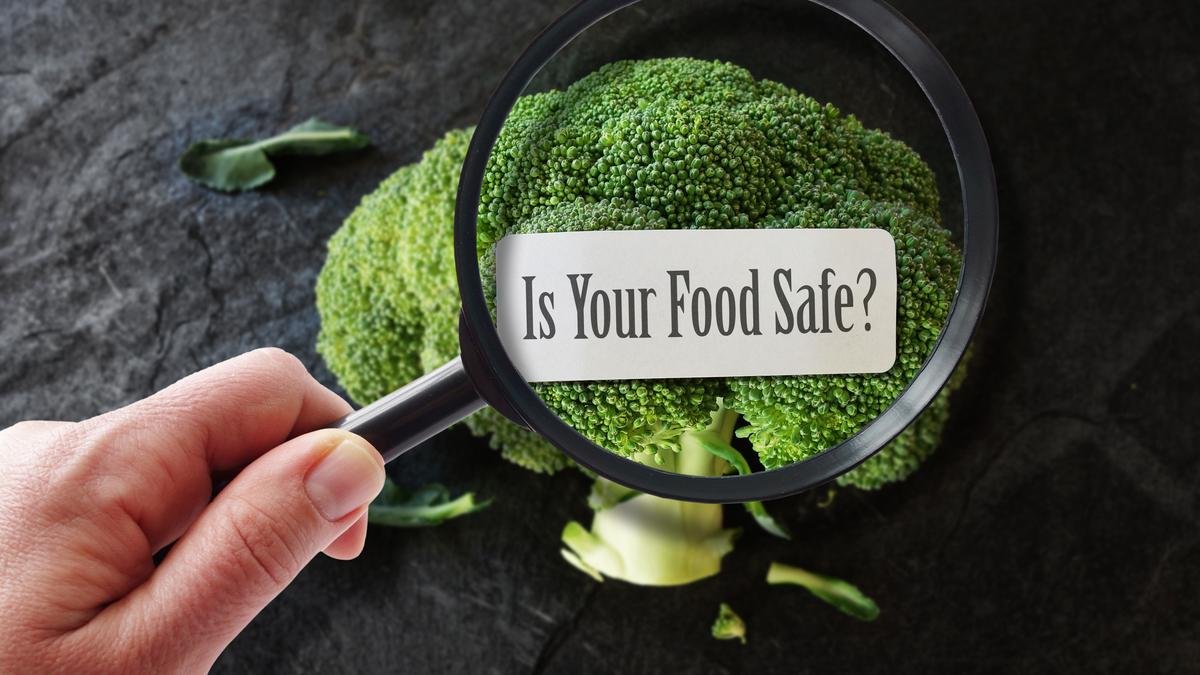
The modern food industry is shifting from a production-focused model to one governed by safety, transparency, and scientific rigor. As global supply chains become more complex and consumer expectations regarding health rise, the demand for trained professionals in food safety has reached an all-time high. For students and young professionals, this field presents a unique intersection of scientific innovation, public health policy, and long-term career stability.
Educational Pathways and Academic Requirements
Building a career in food safety requires a robust foundation in both the physical and biological sciences. At the undergraduate level, students should target programmes such as B.Tech in Food Technology or Food Engineering. These courses provide the technical expertise needed to understand manufacturing processes, food chemistry, and preservation techniques.
Alternatively, students can pursue degrees in core sciences such as Microbiology, Biotechnology, Chemistry, or Nutrition. These disciplines are vital for understanding the biochemical nature of food and the pathogens that can compromise it. At the postgraduate level, students often opt for specialized Master’s degrees in Food Safety, Food Science, or Regulatory Affairs. Many international universities now offer advanced courses specifically tailored to global compliance and international food trade, providing a global perspective for those looking to work with multinational corporations.
Industry-Relevant Certifications
While academic degrees provide the theoretical framework, professional certifications are the keys to employability. Employers prioritize candidates who are familiar with international safety management systems. Essential certifications to pursue include:
- HACCP (Hazard Analysis Critical Control Point): The cornerstone of modern food safety management.
- ISO 22000 and FSSC 22000: International standards for food safety management systems.
- GMP (Good Manufacturing Practices) and GHP (Good Hygiene Practices): Operational essentials for any production floor.
- FSSAI’s FoSTaC: In the Indian context, the Food Safety Training and Certification programme is a mandatory and foundational qualification for those entering the sector.
Policy, Training, and Skill Development
Government policy plays a significant role in professionalizing the food sector. Initiatives like the Pradhan Mantri Kaushal Vikas Yojana (PMKVY) and the Pradhan Mantri National Apprenticeship Promotion Scheme (PM-NAPS) are bridges between academic training and industrial application. These programmes provide students with the hands-on exposure required to navigate a plant environment, which is often drastically different from a laboratory or classroom setting. By engaging in these apprenticeships, students gain a competitive edge by familiarizing themselves with real-world regulatory compliance and plant-level auditing.
Emerging Career Frontiers
The scope of food safety has expanded beyond the laboratory. Modern career paths include:
- Regulatory Affairs Professionals: Experts who act as liaisons between companies and government bodies like the FSSAI, ensuring that labeling, ingredients, and processes conform to legal statutes.
- Agricultural Sourcing and Farmer Engagement: A critical and growing field where professionals work at the “farm gate,” training farmers in good agricultural practices (GAP) to ensure the safety of raw materials before they even reach the factory.
- Digital Quality Systems Specialists: As the industry adopts Industry 4.0, there is a surge in demand for professionals who can handle data-driven monitoring, automation, and real-time quality tracking systems.
The Future Outlook
Food safety is no longer a peripheral compliance function; it is a core business necessity. Every audit performed, every batch tested, and every regulation implemented serves as a layer of protection for the global consumer. As technology continues to integrate with food manufacturing, the professionals who succeed will be those who combine traditional scientific rigor with a facility for digital systems and data analytics. For the student motivated by a sense of social responsibility, a career in food safety offers the rare opportunity to protect public health while building a sophisticated, future-proof career.
Disclaimer: This content is auto-generated for informational purposes only.
Source: Read Original News