









The Intersection of Early Access and Development Oversight
The recent launch of the early access version of the upcoming “Halloween” video game has ignited a significant debate regarding the boundaries of interactive media and the responsibilities of developers during the testing phase. On September 4, players gained entry to a title based on the legendary slasher film franchise, which centers on a cat-and-mouse survival loop where players attempt to outrun the iconic killer Michael Myers. However, the release was quickly overshadowed by the discovery of a mechanic that permitted specific characters to engage in sexualized minigames.
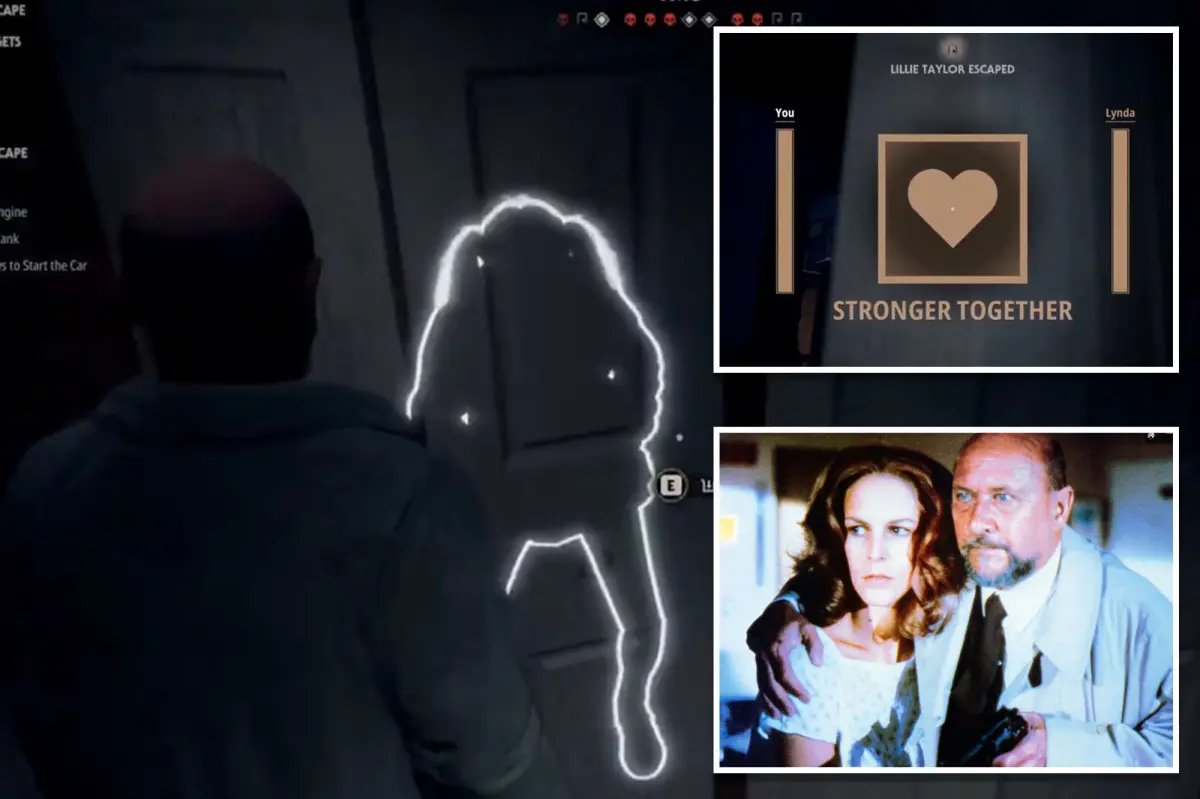
The controversy centered on a feature involving Dr. Samuel Loomis—a character modeled after the late actor Donald Pleasence. Users discovered that players could initiate a minigame while hiding in closets or other enclosed spaces to avoid the killer. If a second player consented, they would engage in a sequence represented by a heart meter, which required button inputs to complete. This mechanic included audible moans and screen-shaking effects, which served as a tactical disadvantage by alerting the killer to the survivors’ exact position. The inclusion of this content, particularly involving a character based on a deceased actor and teenaged roles, prompted an immediate and intense backlash from the gaming community.
Technical Mechanics of the Controversial Feature
From a technical perspective, the minigame operated as a high-risk, high-reward interaction that functioned as a hidden social mechanic within the survival horror framework. In typical asymmetrical horror games, hiding spots are designed to create suspense and facilitate evasion. By introducing a secondary interaction—the heart meter sequence—the developers attempted to layer a social element into these cramped, enclosed environments.
The mechanic required both participating players to synchronize their input timing to fill an on-screen meter. The game engine treated this activity as a secondary state, triggering specific audio-visual cues. These cues, such as the rhythmic shaking of the environment and distinct sound design, were likely intended to serve as a high-stakes balancing mechanism, penalizing players for staying stationary for too long. However, the thematic execution of this feature—specifically the romantic or sexualized nature of the interaction—was widely regarded as an inappropriate departure from the tone of the “Halloween” franchise, leading to widespread scrutiny across social media platforms like X and Reddit.
The Role of Rapid Patching in Modern Gaming
Following the viral spread of gameplay clips demonstrating this feature, the development studio, IllFonic, took decisive action on Sunday by removing the minigame entirely. This incident highlights the efficacy of the modern “live service” and “early access” feedback loop. Because the game was in an early access state, the developers possessed the infrastructure to push a hotfix quickly, addressing the public outcry before the wider, general release scheduled for September 8.
The incident underscores the tension between experimental gameplay design and brand management. In the era of digital distribution, developers often push features to test user engagement metrics. However, when those features deviate from the established parameters of a licensed intellectual property, the resulting fallout can be swift. The total removal of the mechanic is an example of a surgical patch—a corrective measure aimed at mitigating reputational risk by excising a problematic code block rather than attempting to iterate or improve upon it.
Expectations for Licensed Horror Titles
The “Halloween” franchise is built on themes of terror, suspense, and the inevitability of the antagonist. Fans of horror cinema and gaming generally expect adaptations to respect the source material, which is defined by its tension-filled pacing rather than social or romantic interactions between survivors. The backlash was fueled not just by the nature of the content, but by the perceived disconnect between the survival-horror genre and the inclusion of unnecessary, potentially offensive, interpersonal minigames.
The decision to feature a character modeled after Donald Pleasence in such a context was viewed by many as a failure of creative oversight. As video games become more photorealistic and characters are increasingly based on real-world likenesses, developers face heightened pressure to ensure that their digital representations are utilized in ways that honor the original performers and their legacies. This event serves as a reminder to development teams that their creative decisions are subject to rigorous public review, especially when managing high-profile intellectual properties.
Future Implications for Player Feedback Loops
The aftermath of this incident has sparked a secondary conversation regarding developer communication and player agency. While the majority of the community supported the removal of the feature, a subset of players expressed frustration with the total deletion of the mechanic, arguing that it represented a “band-aid” solution that sacrificed game depth to satisfy external pressure. This highlights a persistent challenge for studios: determining the threshold between constructive feedback and reactive censorship.
As the game approaches its full wide release, the studio must now navigate the challenge of restoring confidence among its player base. The removal of the minigame does not necessarily end the discussion; instead, it shifts the focus toward the quality of the remaining mechanics and the studio’s future roadmap. By standardizing the testing process and applying more rigorous thematic filters to early access builds, developers can avoid similar controversies in the future. The episode serves as a cautionary case study for the industry on the necessity of internal moderation when implementing experimental features in titles that rely on established, long-standing franchises.
Disclaimer: This content is auto-generated for informational purposes only.
Source: Read Original News