








As Apple prepares for the imminent launch of the iPhone 18 Pro series on September 9, 2026, many consumers are weighing the merits of an immediate upgrade against the rumors surrounding the following year’s lineup. While the iPhone 18 Pro models represent iterative refinements of the current hardware, industry analysts and supply chain reports suggest that the 2027 release—potentially branded as the iPhone 20 to commemorate the 20th anniversary of the device—may constitute a significant technological departure.
The Architecture of an All-Screen Future
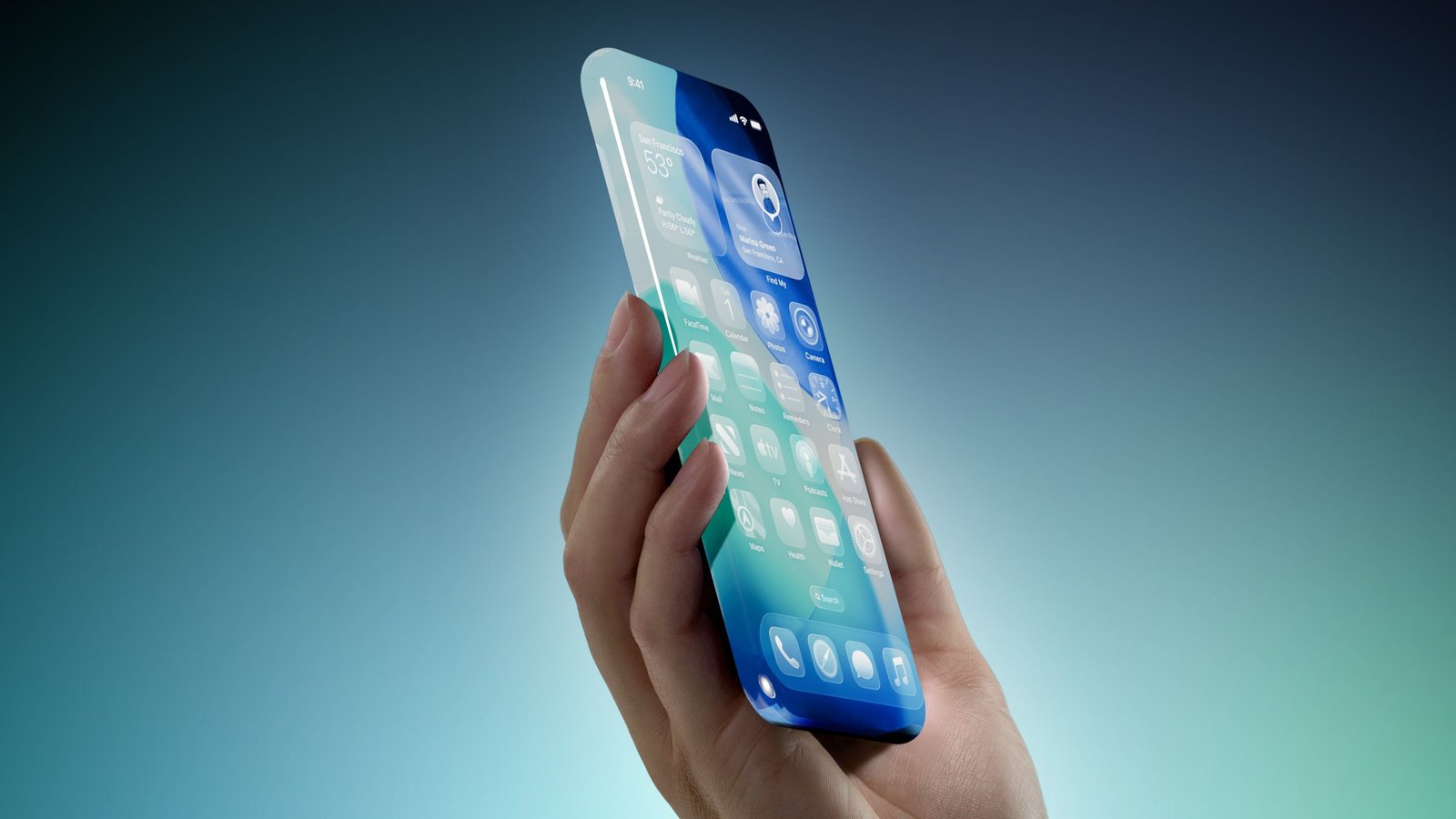
The most anticipated feature of the forthcoming 20th-anniversary model is a complete redesign of the display interface. Reports indicate that Apple is collaborating with display partners to implement an “equal-depth quad-curved” panel. This design allows the glass to extend seamlessly over all four edges, effectively concealing the structural metal frame. By minimizing bezels to near zero, the device aims to provide a pure, borderless visual experience.
To complement this aesthetic shift, the company is testing the integration of Face ID components directly beneath the active display area. Furthermore, the development of under-display camera technology remains a focal point for engineers. If these features reach maturity by 2027, the long-standing Dynamic Island cutout could be entirely removed, marking the most dramatic visual transition since the introduction of the iPhone X.
Advanced OLED and Custom Imaging Hardware
Under the hood of the potential 20th-anniversary iPhone, significant improvements in display efficiency and imaging are in development. Apple is reportedly transitioning to a thinner OLED panel utilizing Color Filter on Encapsulation (COE) technology. By reducing the number of layers within the display stack, this implementation allows for greater light transmission. This results in higher peak brightness while simultaneously lowering power consumption, which is critical for maintaining battery health in high-performance handsets.
Photography hardware is also expected to undergo a vertical integration milestone. After years of relying on external sensor suppliers, Apple is reportedly finalizing a proprietary stacked image sensor. This custom hardware is rumored to incorporate Lateral Overflow Integration Capacitor (LOFIC) technology. By allowing each pixel to store varying levels of light, this sensor could drastically improve dynamic range, enabling up to 20 stops of exposure latitude. This represents a substantial leap in computational photography, providing greater detail in challenging high-contrast lighting conditions.
The Shift Toward Solid-State Controls and Materials
The physical interaction with the device may change through the adoption of solid-state buttons. Rather than traditional mechanical switches that rely on moving parts, the 20th-anniversary iPhone is expected to utilize haptic feedback to mimic the sensation of a physical click. By integrating these controls directly into the device chassis, Apple could improve the structural integrity and water resistance of the phone, while offering a customizable tactile experience for the Side, Volume, and Action buttons.
Battery technology is another area undergoing rigorous research. Apple is exploring silicon anode chemistries to replace current lithium-ion standards. Silicon anodes offer a higher energy density, allowing the device to store more lithium ions per gram of material. The impact of this shift is twofold: it provides extended daily usage times without necessitating a larger, heavier battery pack, or it allows for a slimmer device profile while maintaining current endurance standards.
Internal Performance and Memory Bandwidth
Computational power for the 2027 flagship is expected to be provided by the A21 Pro chip, built on a second-generation 2-nanometer fabrication process. Following the anticipated debut of the 2-nanometer A20 Pro in the iPhone 18 series, the A21 Pro will likely emphasize improvements in energy efficiency and transistor density.
Beyond raw processing power, memory architecture is receiving a major overhaul. Current reports point to the evaluation of Mobile High Bandwidth Memory (HBM) via vertically stacked DRAM technology. Traditional mobile memory often faces bandwidth bottlenecks that hinder advanced on-device artificial intelligence tasks. By stacking memory, Apple intends to increase the speed at which data travels between the processor and the system memory, facilitating faster, more complex local machine learning operations without relying heavily on cloud-based processing.
Strategic Timing for Upgraders
While the iPhone 18 Pro series brings necessary refinements to the current generation, the sheer volume of experimental technology slated for the 20th-anniversary release creates a difficult decision for potential buyers. Features such as the quad-curved display, silicon anode batteries, and custom stacked imaging sensors represent foundational changes that are unlikely to appear in the 2026 models.
However, consumers should note that hardware timelines remain fluid. Technologies like under-display Face ID have historically faced development hurdles, and the transition from prototype to mass production is rarely without challenges. Nevertheless, if the roadmap for the 20th-anniversary iPhone remains on track, it promises to be the most substantial hardware overhaul in a decade. For those currently using functional handsets, the prospective advancements in 2027 may justify a delay, as the industry moves toward a more unified, screen-dominant design language and improved performance metrics.
Disclaimer: This content is auto-generated for informational purposes only.
Source: Read Original News