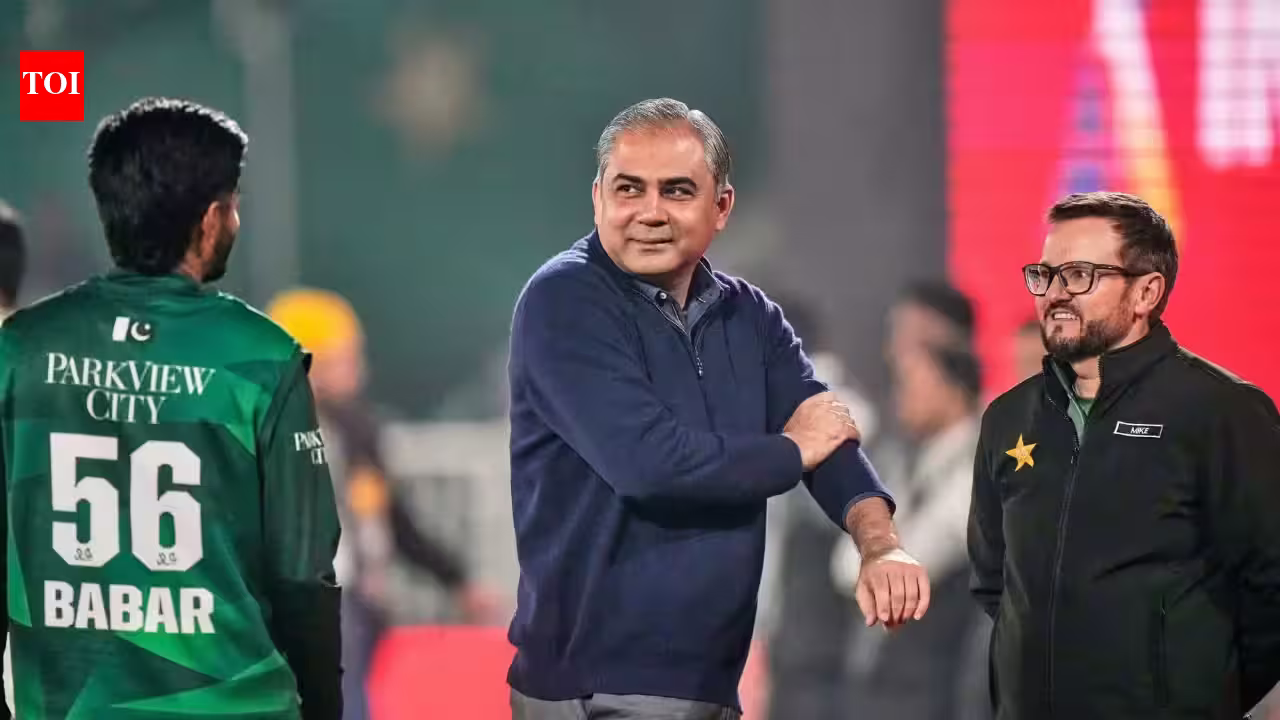








DUBAI — The shadows of political friction are once again stretching across the cricket pitch, casting doubt on the atmosphere of the upcoming ACC Women’s Asia Cup 2026 final. With the tournament reaching its business end in Dubai, reports have confirmed that Pakistan Cricket Board (PCB) chairman and Asian Cricket Council (ACC) president Mohsin Naqvi is scheduled to attend the summit clash on September 13. His presence, however, carries the weight of a volatile precedent that has left the cricket world wondering if history is poised to repeat itself.
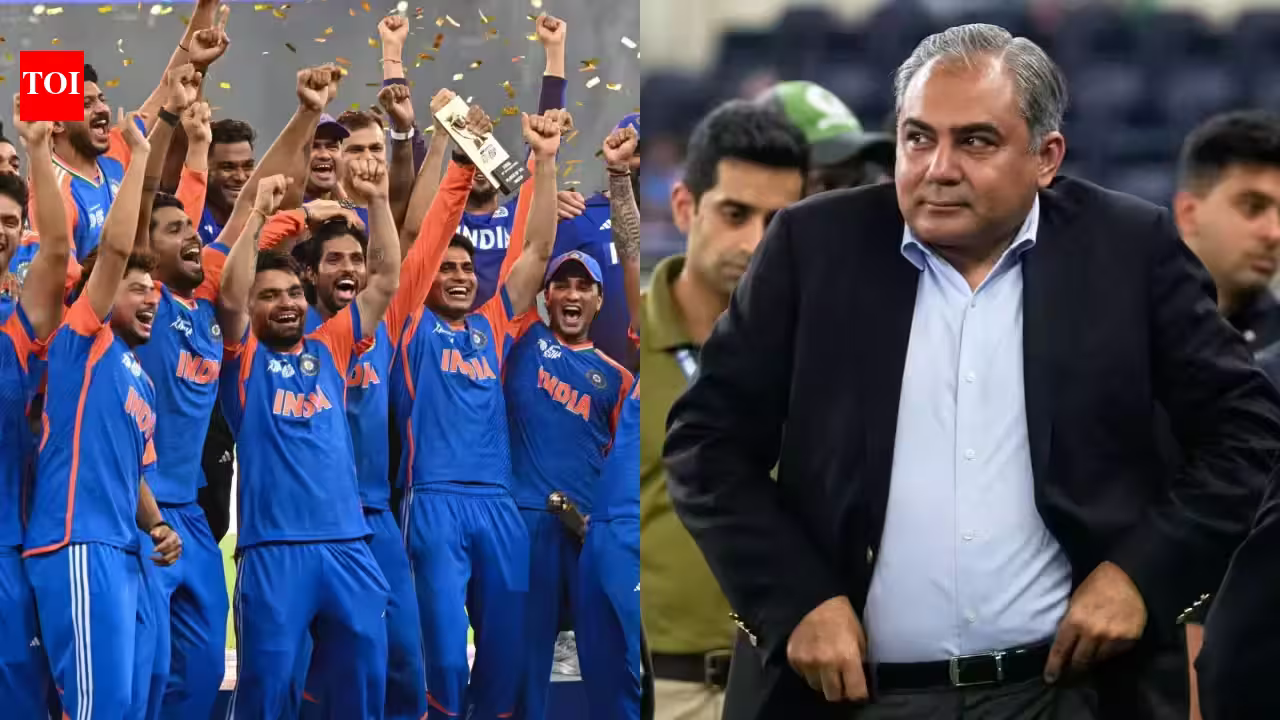
The potential for a diplomatic standoff stems from the events of the 2025 Men’s Asia Cup final, also held at the Dubai International Stadium. In that instance, the Indian team, led by Suryakumar Yadav, famously opted not to accept the championship trophy from Naqvi during the post-match ceremony. The fallout was immediate and surreal: the Indian players celebrated their hard-earned victory on the podium while the trophy remained firmly in the hands of the ACC president, eventually being removed from the venue entirely. To this day, the silverware from that tournament remains at the ACC headquarters in Dubai, a silent testament to the deep-seated grievances that defined that campaign.
The Political Undercurrents
The tension surrounding Naqvi’s involvement is not merely a matter of sporting protocol; it is deeply rooted in the geopolitical climate between India and Pakistan. During the 2025 Men’s tournament, the backdrop was particularly hostile, marked by the regional security concerns following the Pahalgam terror attack and inflammatory social media rhetoric attributed to Naqvi, who serves concurrently as Pakistan’s Interior Minister.
These dual roles—sports administrator and high-ranking government official—have blurred the lines of diplomatic engagement on the field. For the Board of Control for Cricket in India (BCCI), the decision to bypass the trophy presentation was widely viewed as a deliberate statement against the perceived hostility emanating from the PCB leadership at the time. With Naqvi confirmed as the chief guest for this year’s women’s final, the pressure on the BCCI to navigate the situation has returned to the fore.
Dominance in the Middle East
On the field, the narrative has been one of total Indian dominance. Harmanpreet Kaur’s side has steamrolled through the group stages, remaining unbeaten and securing a comfortable semi-final berth. Their performance against Pakistan earlier in the tournament was a clinical dismantling of their rivals; after bowling out the Fatima Sana-led Pakistan side for a meager 55 runs, India cruised to a seven-wicket victory, reinforcing their status as the heavy favorites to lift the trophy on September 13.
Beyond the team’s collective brilliance, individual history has been made, with Smriti Mandhana eclipsing Mithali Raj to become the leading run-scorer in Indian women’s international cricket. The squad is performing with the kind of focus that suggests they are locked into their goal, yet the looming presence of the final’s ceremonial formalities threatens to hijack the conversation.
The Protocol Dilemma
As the president of the ACC, Naqvi is technically the highest-ranking official tasked with officiating the awards ceremony. According to tournament regulations, he is the designated figure to hand over the silverware to the champions. However, the BCCI has maintained a wall of silence regarding their stance should the Women in Blue triumph on the night.
The precedent set by the men’s team last year creates a difficult scenario for organizers. If the Indian women’s team were to follow the path of their male counterparts, it would signify a continued, rigid stance on the intersection of cricket and politics. If, conversely, they choose to accept the trophy, it could be interpreted as a shift in policy or a focus on maintaining the sanctity of the sport above political posturing.
A High-Stakes Closing Ceremony
As the tournament moves toward its finale, the focus is shifting from the impressive cricketing displays of the Indian squad to the logistical and diplomatic hurdles in the VIP box. For the fans, the desire is simple: to see the champions lift the trophy in a celebration free from the taint of international friction.
Yet, given the history between these two boards and the polarizing figure of Mohsin Naqvi, the atmosphere in Dubai is primed for another tense standoff. Whether the trophy ceremony becomes a moment of sporting reconciliation or a repeat of the 2025 protest remains a matter of intense speculation. For now, the Women in Blue have one goal: to clear the final hurdle on the pitch. Once that is done, the eyes of the cricketing world will turn to the dais, waiting to see if a trophy will be exchanged, or if the silence of the 2025 final will echo once again across the Dubai desert.
Disclaimer: This content is auto-generated for informational purposes only.
Source: Read Original News