








Turmoil within the Pakistan Cricket Board (PCB) has reached a fever pitch, as the organization’s aggressive mid-tour overhaul of the national squad continues to draw sharp condemnation from the game’s respected voices. The latest critique comes from legendary former spinner Mushtaq Ahmed, who has publicly admitted that the volatile environment created by the PCB’s leadership has made him—and potentially others—fearful of taking up roles within the national setup.
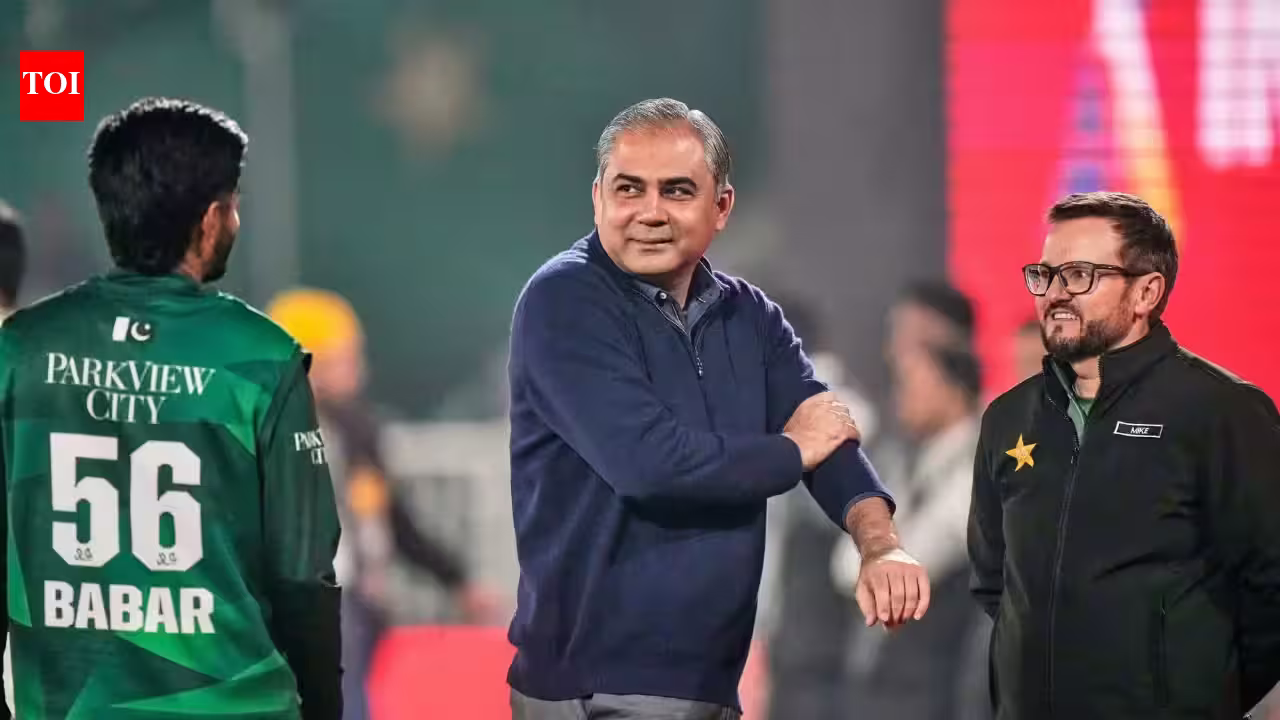
The tension stems from a radical decision made by PCB Chairman Mohsin Naqvi and his administration following a string of dismal performances in the opening two Tests against England. In an unprecedented move, seven players and two members of the coaching staff were summarily sent home while the tour was still active. Among those sidelined were senior figures like Sarfaraz Ahmed and coach Umar Gul, replaced in the dressing room by Mike Hesson and Ashley Noffke.
Mushtaq reveals why he is hesitant
For a figure as synonymous with Pakistan’s cricketing heritage as Mushtaq Ahmed, the desire to give back to the national team remains undimmed. Yet, in a candid appearance on the BBC Stumped podcast, the former international spinner articulated a growing sentiment of unease that permeates the domestic coaching fraternity.
“I would love to do that for my country, of course. Especially at this time,” Mushtaq noted, expressing a genuine willingness to step into the fray. However, he balanced that patriotic impulse with a stark assessment of the current climate. “Sometimes you get scared of working for your own country when the people don’t respect you, and they sack you because of a few emotional decisions here and there. When you see those things, people getting sacked on a tour, you get worried and scared.”
Mushtaq argues that the current administrative trend toward impulsive, reaction-based decision-making is detrimental to the long-term health of the team. He believes that for any Pakistani coach to succeed, the PCB must move toward a more stable structure that protects its staff from the immediate fallout of a bad match or series.
“If you can get that sorted, I think every Pakistani cricketer who is coaching would love to serve the country,” he insisted. “This is the best time for me to take that challenge and bring those players to their best, make them confident about international cricket, and make a unit that can actually challenge opposition teams.”
‘This is not the right thing’
Mushtaq’s criticism of the PCB’s methodology is rooted in his experience as a former player who understands the psychological toll of such instability. By removing key personnel like Mohammad Rizwan, Imam-ul-Haq, and Salman Ali Agha—alongside senior staff—mid-series, the board has effectively signaled to the remaining squad that no one’s position is secure, regardless of pedigree.
“Changing seven players and the management, especially with the tour still going on, I feel that this is not the right thing,” he stated bluntly.
He was particularly vocal about the treatment of Sarfaraz Ahmed and Umar Gul, two men who have given years of service to the national crest. According to Mushtaq, the failure to wait until the conclusion of the tour to evaluate coaching performances is a departure from professional standards that has left him feeling “hurt as an ex-cricketer.”
“This has never happened in Pakistan cricket before. Sarfaraz and Umar Gul, they are some of the most experienced cricketers. They served the country very well. If you want to sack them, obviously, you have to sack them after the tour. This is the time to stay calm, don’t make rash decisions.”
PCB under growing scrutiny
The fallout from the PCB’s heavy-handed strategy has not been contained within Pakistan’s borders. The international cricketing community, including prominent analysts and former captains like Michael Atherton and Nasser Hussain, has expressed bewilderment at the board’s inability to manage crisis with composure rather than chaos. Even Jason Gillespie, who has been closely linked to the setup, finds himself in a landscape where the board’s long-term vision is perpetually obscured by the dust of short-term reactionary sackings.
The repercussions of these actions now loom over the final stages of the England tour. As Pakistan prepares for the third and final Test in Birmingham on September 9, the atmosphere surrounding the team is heavy with the weight of these administrative failures.
Whether the tactical shift to bring in Hesson and Noffke will yield results on the pitch remains to be seen. However, the damage to the PCB’s reputation as an employer appears to be far more lasting. Until the board can demonstrate a commitment to stability and respectful personnel management, it seems that some of Pakistan’s brightest coaching minds may remain on the outside looking in, unwilling to risk their professional integrity in a system that views them as expendable after a single bad series.
For now, the focus shifts to Birmingham, where the players must attempt to shut out the noise of the front office and salvage what they can from a tour that has become as much about the board’s internal politics as it is about the cricket itself.
Disclaimer: This content is auto-generated for informational purposes only.
Source: Read Original News