









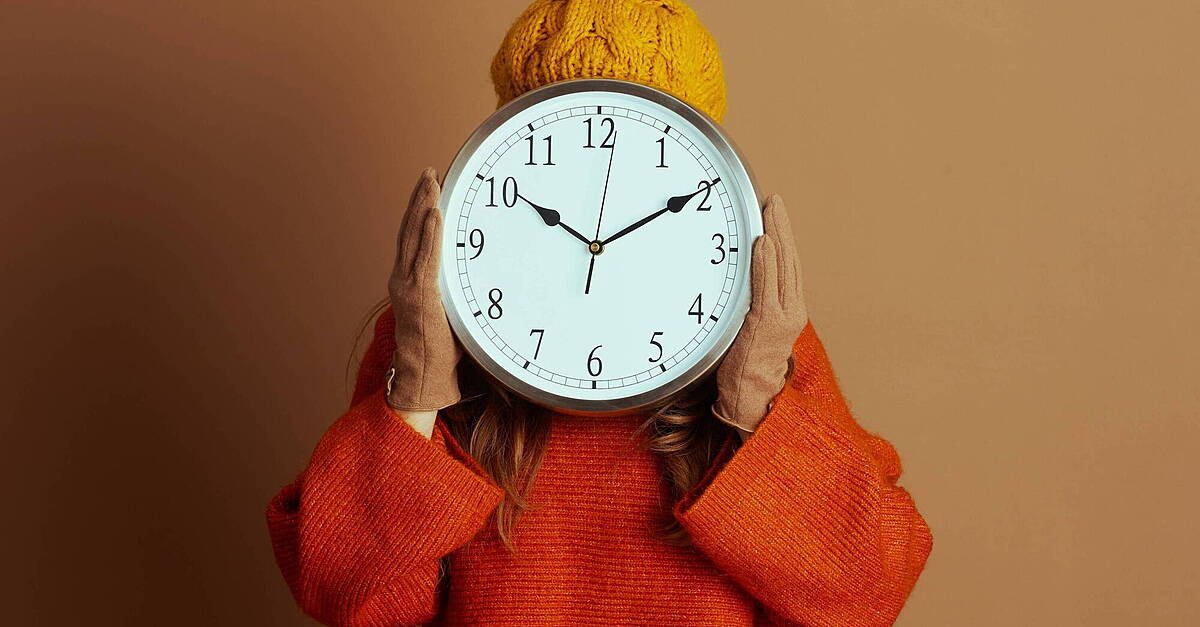
As the final days of summer linger and the autumn foliage begins to turn, residents across Ireland are being reminded that the annual shift toward darker evenings is fast approaching. Clocks across the country are set to go back by one hour next month, marking the official end of Daylight Saving Time and the transition into the winter schedule.
At 2:00 am on Sunday, October 27, the clocks will retreat to 1:00 am, granting everyone an extra hour of sleep but signaling a significant shift in the daily rhythm of life. This change, commonly referred to as “falling back,” means that the sun will set noticeably earlier in the evening, plunging the country into longer periods of darkness as the winter season takes hold.
The biannual tradition, which dates back decades, is designed to align daylight hours more closely with typical business and school schedules. By shifting the clock, the intention is to make the most of the available morning light during the shorter days of late autumn and winter. However, the move is consistently met with mixed reactions, as the trade-off is the loss of the bright, long evenings that define the peak of summer.
For commuters and motorists, the transition serves as a vital reminder to prepare for more challenging driving conditions. With the sun setting significantly earlier, those traveling home from work or school will increasingly find themselves navigating the roads in near-total darkness. The Road Safety Authority (RSA) is expected to ramp up public awareness campaigns in the coming weeks, urging pedestrians, cyclists, and drivers to ensure they are visible on the roads by wearing reflective gear and ensuring vehicle lights are fully functional.
The debate surrounding the necessity of changing the clocks continues to surface at both a national and European level. While there have been ongoing discussions in the European Parliament regarding the permanent abolition of the clock-change system, no definitive consensus has been reached, meaning the “spring forward, fall back” routine remains mandatory for the time being.
As the date approaches, most modern smartphones, computers, and digital devices will automatically update at the designated time on the morning of October 27. However, residents are reminded to manually adjust any traditional analog clocks, kitchen appliances, or car dashboard displays to ensure they remain synchronized with the new time.
As the nation prepares for this seasonal transition, the message is clear: while the arrival of darker evenings may feel like the end of the warmer months, it also signals the countdown to the winter season and the inevitable festive period ahead. Residents are encouraged to make the most of the final weeks of lingering evening light before the clocks reset.
Disclaimer: This content is auto-generated for informational purposes only.
Source: Read Original News