






HIROSHIMA—A simple, unassuming feature inside a municipal office building in Hiroshima has become an overnight internet sensation, sparking a widespread conversation about the importance of inclusive infrastructure.
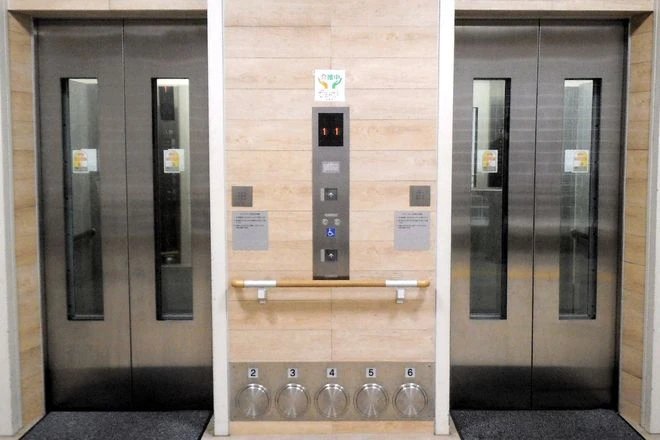
For years, visitors to the Saeki Ward office annex have passed by a set of large, circular buttons located near the floor of the elevator lobby. Largely overlooked, these buttons were recently thrust into the spotlight after a local woman witnessed a pregnant mother, burdened with an infant in her arms, navigate the elevator by pressing the call button with her foot.
Struck by the utility of the feature—which she had walked past countless times without notice—the witness shared her discovery on social media. She posted a photo of the foot-operated buttons, explaining, “I noticed today that the ward office building elevators have foot-operated buttons for people with disabilities or those whose hands are full holding their babies.” The post quickly went viral, racking up over 6,000 “likes” and triggering a flurry of comments from citizens calling for similar “universal design” features to be implemented in public venues nationwide.
While the discovery felt new to many, the Hiroshima city government confirmed that the system has been a staple in the Saeki Ward annex since the building was reconstructed in 2012. Although specific records detailing the original planning phase are sparse, municipal officials believe the buttons were a deliberate design choice intended to assist those with physical disabilities or individuals struggling with heavy loads, such as parents with young children.
“The elevator system with a foot-activated call button was likely installed to accommodate individuals with disabilities and those with their hands full,” a city spokesperson said, noting that residents have long reacted positively to the feature.
Beyond the Saeki Ward office, the city confirmed that such technology is not entirely unique to the building. Similar foot-pedal systems exist in two other ward annexes in Hiroshima, with the oldest installation dating back to 2004 in Naka Ward.
Mitsubishi Electric Building Solutions Corp., the company responsible for the installation in Saeki, noted that the elevators were built to meet the specific requirements requested by the city. A company representative stated that they have delivered at least four similar systems since 2008, primarily for welfare facilities and municipal infrastructure. The company expressed optimism regarding the recent attention, stating, “It is encouraging to know that many citizens find our product useful. We will remain committed to building products that are beneficial to society while heeding our clients’ requests.”
As the story continues to circulate online, the humble floor-level buttons serve as a poignant reminder of the impact thoughtful, accessible design can have on daily life, turning what was once an “unnoticed” feature into a blueprint for a more inclusive future.
Disclaimer: This content is auto-generated for informational purposes only.
Source: Read Original News