








The Sudden Halt of the Pulse Elevate Launch
In a move that has caught many consumers and industry observers off guard, Sony has announced an indefinite delay for the Pulse Elevate wireless speakers. The product, which was originally scheduled to hit shelves globally on November 12, 2025, has been pulled from the launch calendar with less than a week of notice. The company issued a formal update on its official communication channels, citing an unspecified production issue discovered during final quality assurance testing.
For those who had already secured their units through pre-orders, which opened in late September, the situation remains fluid. Sony has confirmed that this decision stems from a commitment to delivering a specific standard of performance, though they have provided no guidance on a potential revised release date or specific compensation for the inconvenience. The indefinite nature of the delay suggests that the technical hurdle identified is significant enough to require a halt in manufacturing or a potential hardware recalibration rather than a minor software patch.
Expanding the PlayStation Audio Ecosystem
The Pulse Elevate speakers were positioned as a critical expansion of Sony’s dedicated gaming audio lineup. Until this announcement, the collection primarily focused on personal, isolated listening experiences through the Pulse Elite over-ear headset and the Pulse Explore true wireless earbuds. The introduction of speakers was intended to cater to desktop gaming setups where users prefer a room-filling soundstage over a headset-bound experience.
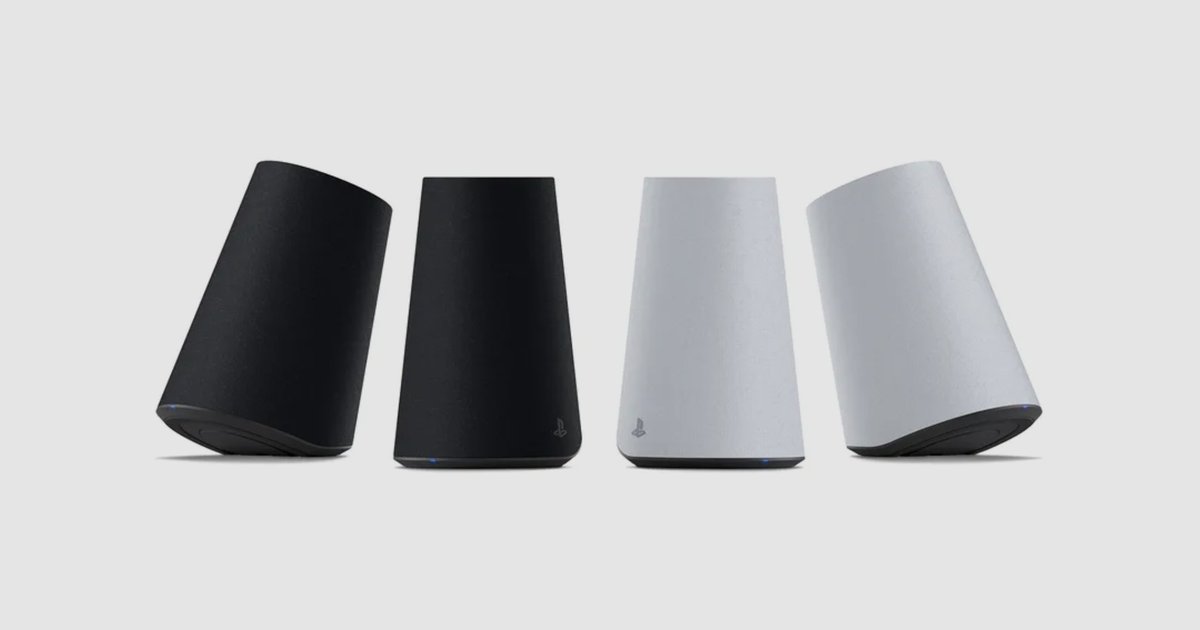
Priced at £199.99 ($219.99), the Pulse Elevate units were designed to offer a premium, space-efficient solution for gamers who utilize the PlayStation 5, PC, Mac, or the PlayStation Portal. By integrating these into their product portfolio, Sony aimed to establish a unified ecosystem where users could maintain a consistent audio profile regardless of their preferred hardware or playback method. The design was meant to complement the aesthetic of the current PlayStation hardware generation, with plans to release them in both Midnight Black and a regional-exclusive White variant.
Core Connectivity and Wireless Architecture
At the heart of the Pulse Elevate system is Sony’s proprietary PlayStation Link technology. This low-latency wireless protocol was developed specifically to bypass the traditional lag associated with standard Bluetooth connections, a necessity for competitive gaming where audio-visual synchronization is vital. One of the standout technical capabilities of the speakers is their ability to maintain a dual-connection state; users can stay linked to their PlayStation 5 or PC via the Link protocol while simultaneously pairing with a mobile device via standard Bluetooth.
This multitasking capability is designed to allow players to take voice calls or interact with messaging applications without interrupting their gameplay audio. By allowing the speakers to mix audio streams from two different sources in real-time, Sony intended to streamline the workflow for streamers and social gamers who frequently juggle communications while logged into their console or desktop environments.
Advanced Acoustic Features and AI Integration
A noteworthy feature of the Pulse Elevate system is the inclusion of an AI-enhanced noise rejection microphone built directly into the right speaker housing. Unlike traditional microphones that rely on basic hardware-level sensitivity adjustments, this system uses machine learning algorithms to isolate the speaker’s voice from background noise. In a desktop environment, where mechanical keyboards, cooling fans, and ambient room noise are prevalent, this technology is designed to ensure that communication remains clear without requiring the user to wear a bulky headset with a boom arm.
The internal acoustic architecture of the speakers was engineered to provide a balanced frequency response suitable for the dynamic range found in modern game design. By utilizing sophisticated signal processing, the speakers were meant to simulate a directional soundscape, allowing users to better distinguish in-game spatial cues. Because these speakers are specifically tuned for gaming, they avoid the common pitfall of consumer-grade desktop speakers, which often emphasize aesthetic form over sonic accuracy.
Impact on the Gaming Peripheral Market
The delay of the Pulse Elevate system creates a temporary vacuum in Sony’s product roadmap. As the holiday shopping season approaches, companies typically rely on the release of high-end accessories to drive growth within their hardware divisions. The decision to hold the release demonstrates a shift in priority toward quality control, reflecting the increasing scrutiny under which flagship gaming peripherals are held.
Furthermore, this delay highlights the complexities involved in manufacturing hardware that must interface across multiple platforms simultaneously. Syncing proprietary wireless protocols like PlayStation Link with open standards like Bluetooth requires robust hardware, and any deviation in production quality can manifest as signal dropouts or synchronization issues that would ruin the user experience.
While Sony has not disclosed the precise nature of the production flaw, the move suggests that the company is taking a cautious approach to maintain its brand reputation. For consumers, the delay is an exercise in waiting for a refined product. For the market, it serves as a reminder of the engineering challenges inherent in creating high-fidelity, multi-platform hardware that functions reliably across various device architectures. As the company continues to finalize its testing, the focus will remain on whether they can resolve these production hurdles without further diluting the product’s competitive advantage in the desktop audio sector.
Disclaimer: This content is auto-generated for informational purposes only.
Source: Read Original News