







A Shift in Publishing Houses for a High-Stakes Memoir
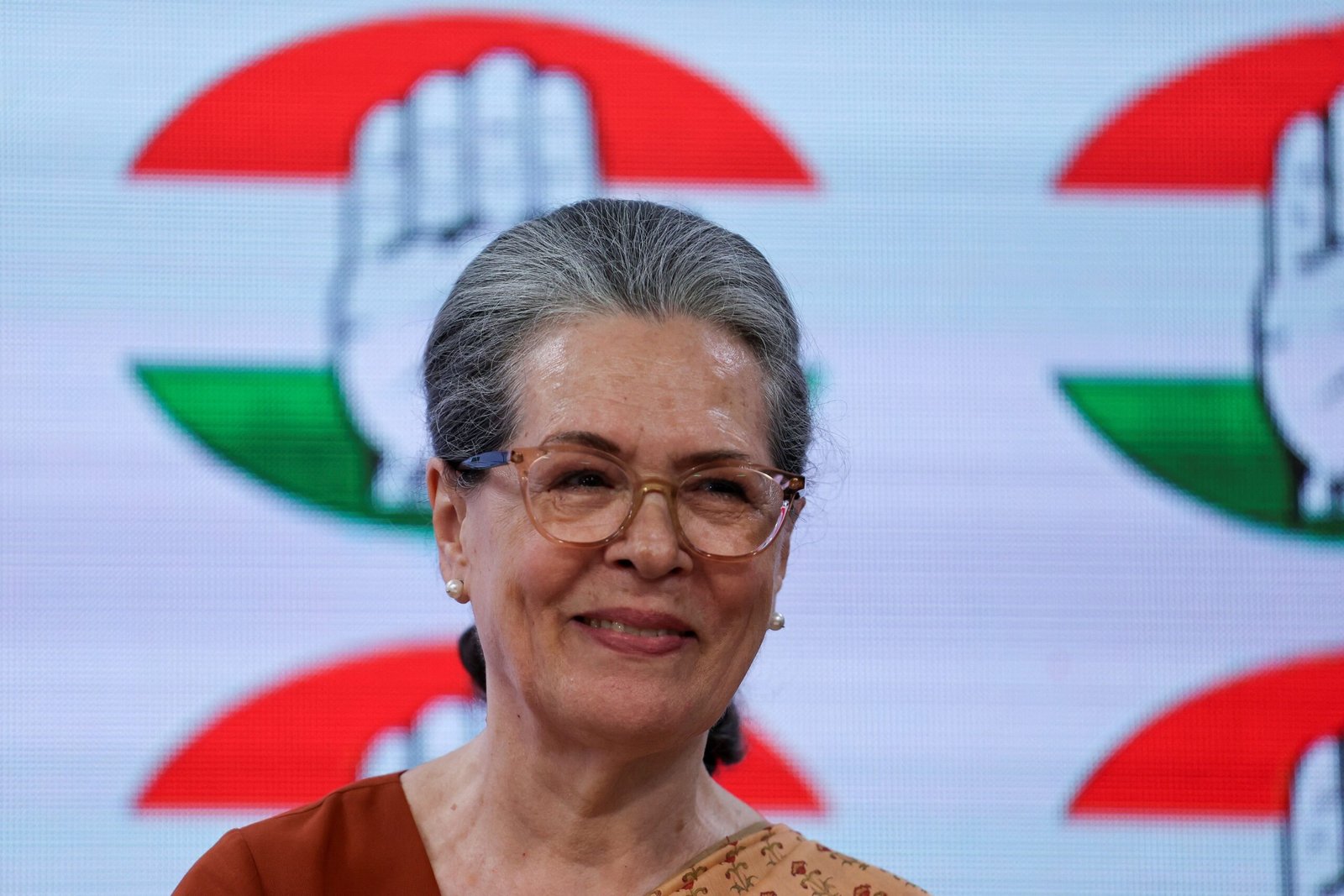
The landscape of Indian political literature is bracing for a significant addition as HarperCollins India prepares to publish the long-awaited memoir of Sonia Gandhi. The announcement, confirmed this week, follows a high-profile breakdown in negotiations between the veteran politician’s team and Penguin Random House India. The shift marks a pivotal moment in the publishing world, highlighting the delicate intersection of historical documentation, editorial independence, and the high-octane environment of Indian electoral politics.
Sonia Gandhi, a figure who has steered the Indian National Congress through decades of governance and opposition, remains one of the most enigmatic personalities in the country’s public life. As the widow of former Prime Minister Rajiv Gandhi and the mother of the current Leader of the Opposition, Rahul Gandhi, her perspective on the internal dynamics of the Congress party and the broader transformation of the Indian state is expected to be a cornerstone of modern political history. The move to HarperCollins ensures that her narrative will reach the public domain, though the circumstances surrounding the switch have invited intense public scrutiny.
The Anatomy of the Publishing Impasse
The transition from one major publisher to another was precipitated by what sources describe as a fundamental disagreement over content. Reports indicate that the primary point of contention involved specific passages within the manuscript regarding the governance of Prime Minister Narendra Modi over the last twelve years. While both the publisher and the author’s representatives have remained tight-lipped regarding the granular details of the disagreement, the incident has reignited debates regarding editorial oversight and the boundaries of political sensitivity in contemporary India.
For a publishing house of the scale of Penguin Random House, the editorial process is typically a rigorous journey of fact-checking, legal vetting, and stylistic refinement. Penguin maintained that the manuscript underwent a standard editorial process, firmly denying claims that external pressures influenced their feedback. In contrast, the impasse has led to accusations from various quarters that the editing process was beginning to resemble a form of censorship. This friction serves as a stark reminder of the complexities involved when documenting the lives of active political figures whose legacies are currently the subject of ongoing national discourse.
Political Reactions and the Question of Accountability
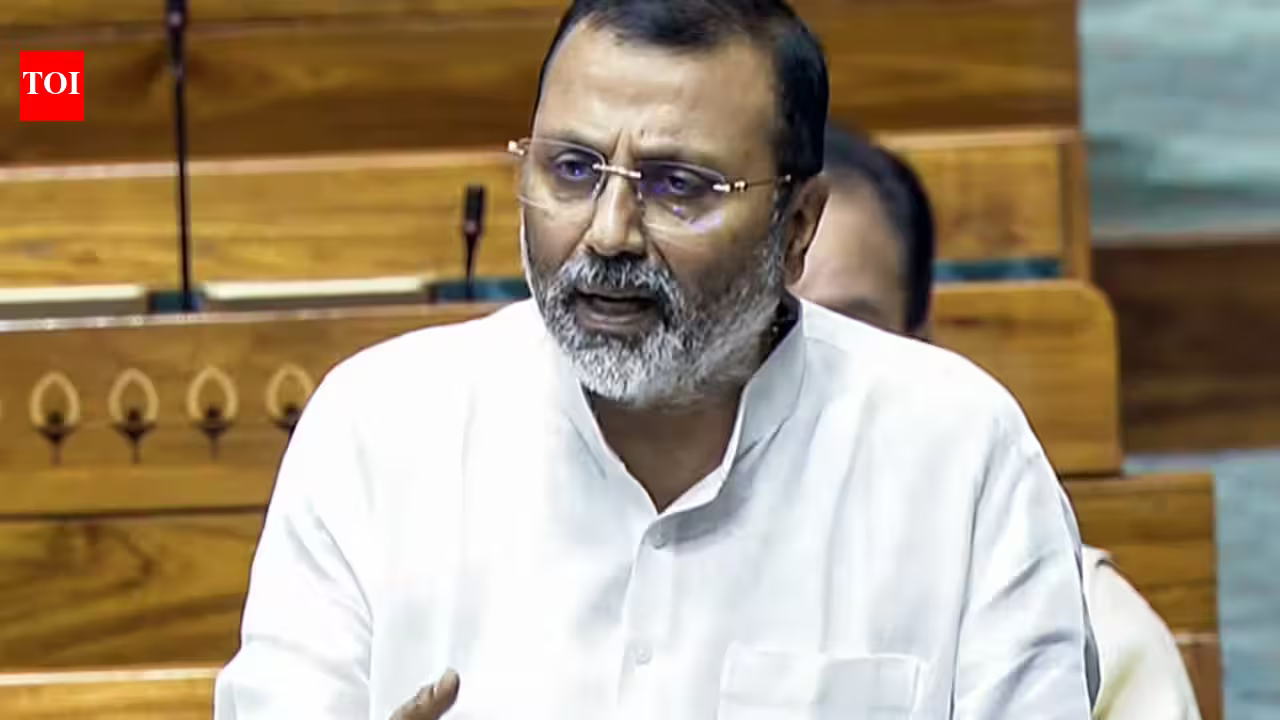
Predictably, the news of the standoff generated immediate reactions from the political spectrum. Leaders from the Bharatiya Janata Party (BJP) have been vocal in their critique of the situation, questioning why a memoir by a seasoned political leader would require such intense deliberation over content. Some BJP representatives have openly challenged the Congress party, asking for clarity on what specific parts of the manuscript necessitated deep “fact-checking” or modification. The implication, from the ruling party’s perspective, is that the memoir might be intended more as a political document than a candid reflection of historical events.
The Congress party, for its part, has framed the initial impasse as a struggle for the author’s right to tell her story without undue interference. By choosing to move the manuscript to HarperCollins, the team behind the memoir has signaled a desire for a publishing environment that aligns more closely with their vision for the narrative. This maneuver effectively keeps the spotlight on the manuscript itself, ensuring that when it finally hits the bookshelves, it will be read with an heightened sense of anticipation and a keen eye for the contested passages that initially derailed its publication.
The Significance of Presidential Memoirs in India
In the context of Indian democracy, memoirs written by former leaders and political stalwarts serve as crucial primary sources. They provide a window into the “room where it happened”—the closed-door meetings, the coalition negotiations, and the crises that have defined the nation’s path since independence. Sonia Gandhi’s memoir is particularly significant given her unique trajectory: from her life in Italy to her sudden entry into Indian politics following the assassination of her husband, and her subsequent role in leading the UPA coalition for a decade.
The current public interest in this memoir reflects a broader appetite for political memoirs in India. Unlike in the past, where such books were often dry, academic, or strictly hagiographic, contemporary readers expect a blend of personal anecdotes and rigorous political analysis. When a book becomes the subject of a public standoff between a publisher and a high-profile author, it inadvertently increases its market value. The “censorship” narrative, whether grounded in actual editing disagreements or merely a difference in editorial vision, has served as an unintended marketing catalyst, ensuring that the book’s release will be a major media event.
Navigating the Evolving Media Landscape
The episode underscores the challenges faced by publishers operating in a deeply polarized social and political environment. In India, where the publishing industry must navigate complex laws regarding libel, defamation, and historical accuracy, the pressure on editors is immense. Balancing the demand for objective history with the sensitivity of political figures requires a high degree of transparency and mutual trust.
As HarperCollins India takes on the responsibility of bringing this project to completion, the industry will be watching closely to see how the final product reconciles the author’s intent with the required standards of professional publication. The successful release of this memoir will likely serve as a benchmark for future political biographies in India. It highlights that while publishing is a commercial endeavor, it remains deeply entwined with the national narrative, proving that in a vibrant democracy, the act of writing—and the act of editing—is never purely a neutral affair.
As the country awaits the release of the memoir, the focus shifts back to the content itself. For the Indian public, the interest lies in how Gandhi chooses to portray the challenges of the last two decades. Whether the book provides the catharsis and clarity that supporters hope for, or fuels the existing political fires, its impact on the historical record of the 21st century is inevitable. The transition to a new publisher may have delayed the arrival of these memoirs, but it has certainly ensured that their eventual publication will be a defining moment for the Indian literary and political scene.
Disclaimer: This content is auto-generated for informational purposes only.
Source: Read Original News