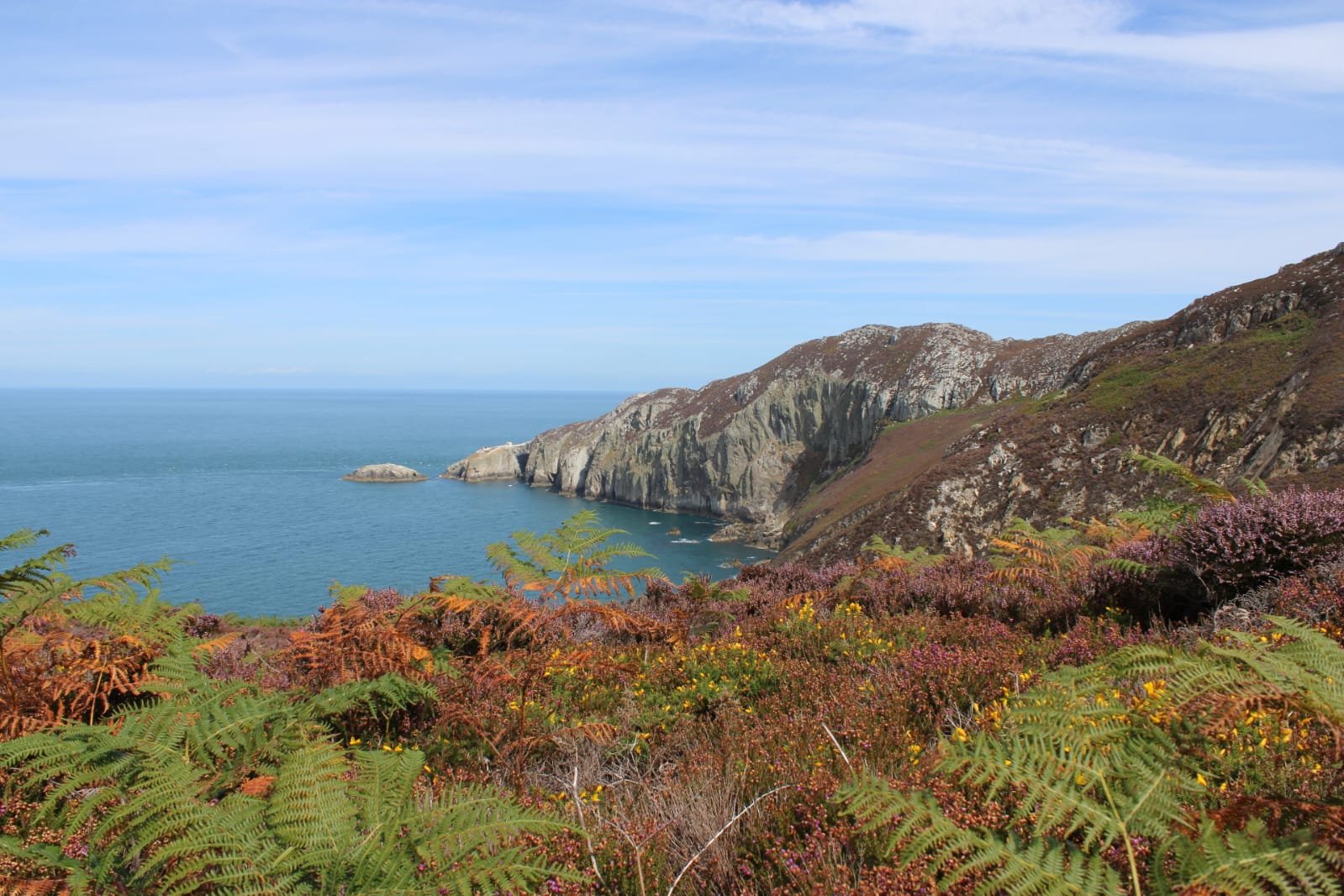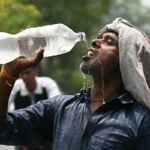








Natural Resources Wales (NRW) has moved parts of north and south-east Wales to “prolonged dry weather” status, the first formal step in its drought plan.
This follows record-breaking high temperatures and extended periods of hot, dry weather in recent months.
Rhian Thomas, sustainable water and nature manager at NRW, said: “The exceptional series of heatwaves we’ve experienced this spring and summer are now starting to take its toll on our rivers, lakes, habitats and wildlife.
“In response, we’ll be stepping up our actions and monitoring across Wales to help ease the pressure on the environment, land and water users, as well as responding to environmental incidents linked to dry weather.”
The move is based on hydrological and environmental data, with high temperatures and little rainfall putting increasing strain on rivers, groundwater reserves, land, and wildlife.
Prolonged dry weather is classified when rainfall falls well below normal for an extended period, leading to depleted rivers, reservoirs, and groundwater, as well as parched soils.
While most of Wales saw typical rainfall in June, the Clwyd, Dee, and Upper Severn catchments received much less.
Wales has recorded just five per cent of expected rainfall so far in July, with forecasts indicating the dry spell is likely to continue.
NRW teams have reported very low river flows and declining groundwater levels in the affected regions.
River temperatures have also hit dangerous levels for fish, with most readings above 20C and some rivers, such as the Wye and Usk, exceeding 26C.
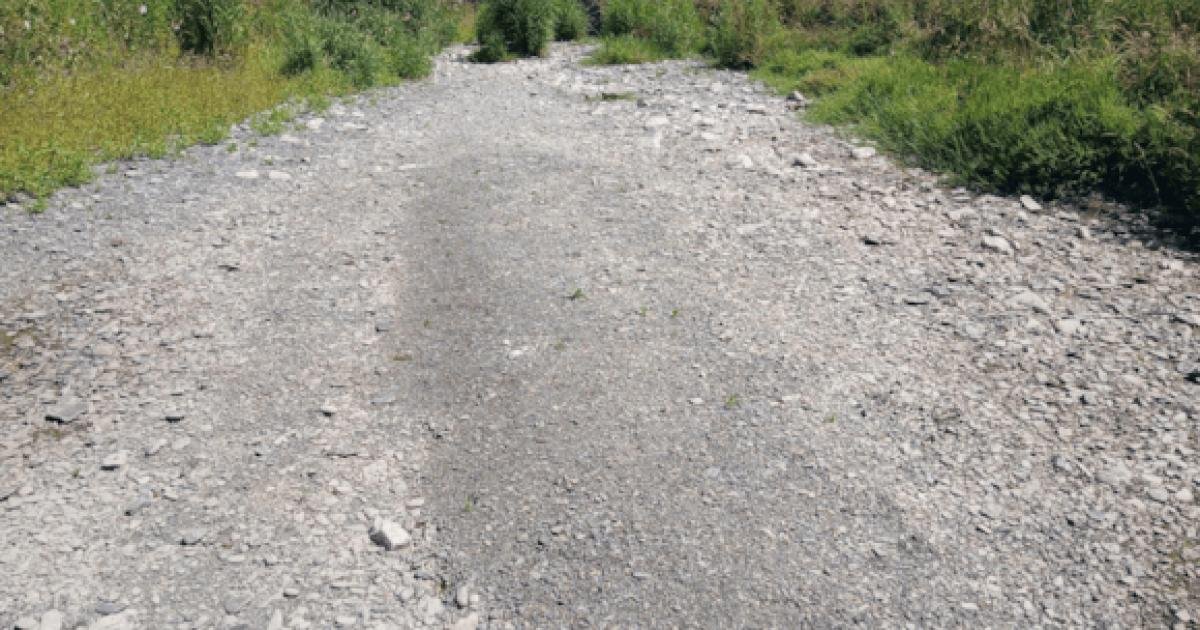
Other reports include dry riverbeds in north Wales, fish in distress, and salmon welfare concerns.
The dry conditions have also increased the risk of wildfires. A major incident was declared last weekend in north Wales following a series of serious blazes.
The decision to trigger prolonged dry weather status was shared with the Wales Drought Liaison Group, which is chaired by the Welsh Government and includes representatives from NRW, the Met Office, water companies, Public Health Wales, farming unions, and local authorities.
NRW is also working closely with the Environment Agency on cross-border water management.
The public is asked to report environmental incidents to NRW’s 24-hour hotline on 0300 065 3000.
NRW also supports calls for people to use water wisely.
Ms Thomas said: “Every drop we waste at home or at work is less water to help keep our environment healthy when it needs it the most.”