







The Economic Magnitude of the GTA VI Launch
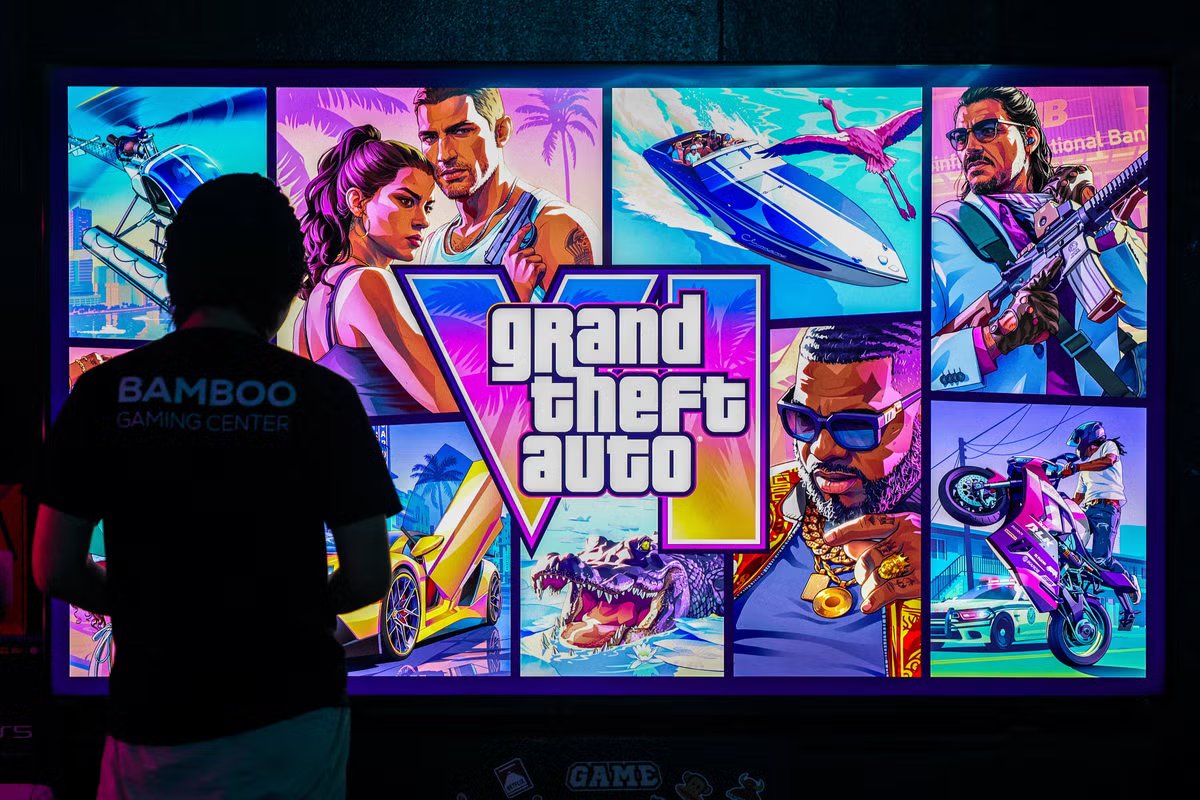
The release of Grand Theft Auto VI (GTA VI) has transcended traditional entertainment boundaries, establishing itself as the most significant commercial launch in the history of the medium. Rockstar Games, a subsidiary of Take-Two Interactive, has delivered a title that analysts estimate generated nearly £2 billion in revenue within its initial release window. According to data from the analytics platform Sensor Tower, the combined force of pre-orders and first-day sales exceeded 24.5 million units. This massive influx of capital reflects not only the brand equity of the Grand Theft Auto series but also the pent-up demand accumulated over a 13-year hiatus since the release of the previous iteration.
Beyond the raw revenue figures, the technical requirements for experiencing this software have driven secondary market activity and hardware demand. As the title utilizes advanced rendering techniques, high-fidelity texture streaming, and complex artificial intelligence models, it necessitates modern gaming consoles to function at intended performance benchmarks. This technical necessity has created a ripple effect throughout the gaming ecosystem, compelling users to upgrade their existing hardware to meet the demands of the title’s sophisticated engine.
The Rise of Crowdfunding for Consumer Hardware
In the weeks leading up to the global release, a unique social phenomenon emerged on the GoFundMe platform. More than 460 individual fundraising pages were launched by gamers in the United Kingdom, specifically requesting financial support to acquire the hardware required to play the game. The hardware in question, primarily the PlayStation 5, represents a significant capital expenditure for many young students and casual users.
This digital crowdsourcing trend highlights the intersection of luxury entertainment and personal finance. While platforms like GoFundMe are traditionally associated with charitable causes, emergency relief, and community aid, the influx of gaming-related requests demonstrates a shift in how individuals leverage social networks to access high-cost technology. The amounts requested varied significantly, with successful campaigns securing between £5 and £484. These funds were intended to bridge the gap between disposable income and the retail price of the console and the game software itself.
Hardware Constraints and Next-Generation Performance
The technical motivations behind these fundraising efforts are rooted in the specific performance targets of modern titles. As users like Tamilore Sonoiki noted in their campaigns, the desire for “next-generation gaming” is characterized by specific hardware capabilities: higher frame rates, lower latency via faster loading screens, and improved graphical fidelity. The transition from previous console generations to current hardware allows for 120 FPS performance and advanced ray-tracing capabilities, which are often central to the marketing and user experience of contemporary blockbuster games.
Because GTA VI is optimized for the architecture of modern consoles, older hardware fails to provide the visual and functional integrity intended by the developers. The “lifelong dream” of experiencing these advancements serves as a primary motivator for users to seek financial assistance. This behavior underscores the widening divide between the cost of entry for high-performance computing and the economic reality of the target demographic. When software becomes a cultural milestone, the hardware required to engage with that software becomes a point of social inclusion, driving individuals to unconventional methods to secure the necessary technology.
The Role of Platform Moderation and Public Perception
The emergence of gaming-related campaigns has prompted discussion regarding the utility of crowdfunding platforms. While critics might argue that such requests detract from humanitarian efforts, platform representatives maintain a neutral stance. A spokesperson for GoFundMe acknowledged that while the platform is a destination for critical life events, the spirit of community support extends to lighter topics as well. The internal logic of these platforms relies on donor agency; it is the responsibility of the individual donor to evaluate the importance of a request and decide whether to contribute based on their personal values.
This decentralized approach allows for a wide spectrum of campaigns, ranging from legitimate requests for hardware to satirical appeals, such as the father seeking funding for a “2am feeding simulator.” Ultimately, the market determines the viability of these campaigns. If a request does not resonate with potential donors, it fails to meet its goal, acting as a natural filter for the types of requests that receive funding.
Impact on the Gaming Ecosystem and Future Trends
The launch of GTA VI serves as a case study for how major software releases influence secondary hardware markets. The immediate surge in demand for consoles to play a single piece of software is rare in the technology sector. Usually, hardware adoption is a gradual process; however, the status of this game as a generational cultural touchstone compressed years of expected console sales into a single event.
This trend likely informs how hardware manufacturers and software developers will collaborate in the future. By creating high-fidelity experiences that demand the latest hardware, studios like Rockstar effectively drive consumer adoption of new platforms. The use of crowdfunding to participate in these milestones suggests that for a large portion of the gaming population, the cost of technology is becoming a significant barrier to entry. As titles continue to increase in complexity and hardware requirements, the industry may see more creative or collaborative financing models emerge, reflecting the evolving relationship between the consumer, the manufacturer, and the gaming community at large.
Disclaimer: This content is auto-generated for informational purposes only.
Source: Read Original News