








Expanding the Sanctuary: Diablo 4 Arrives on Nintendo’s Next Generation
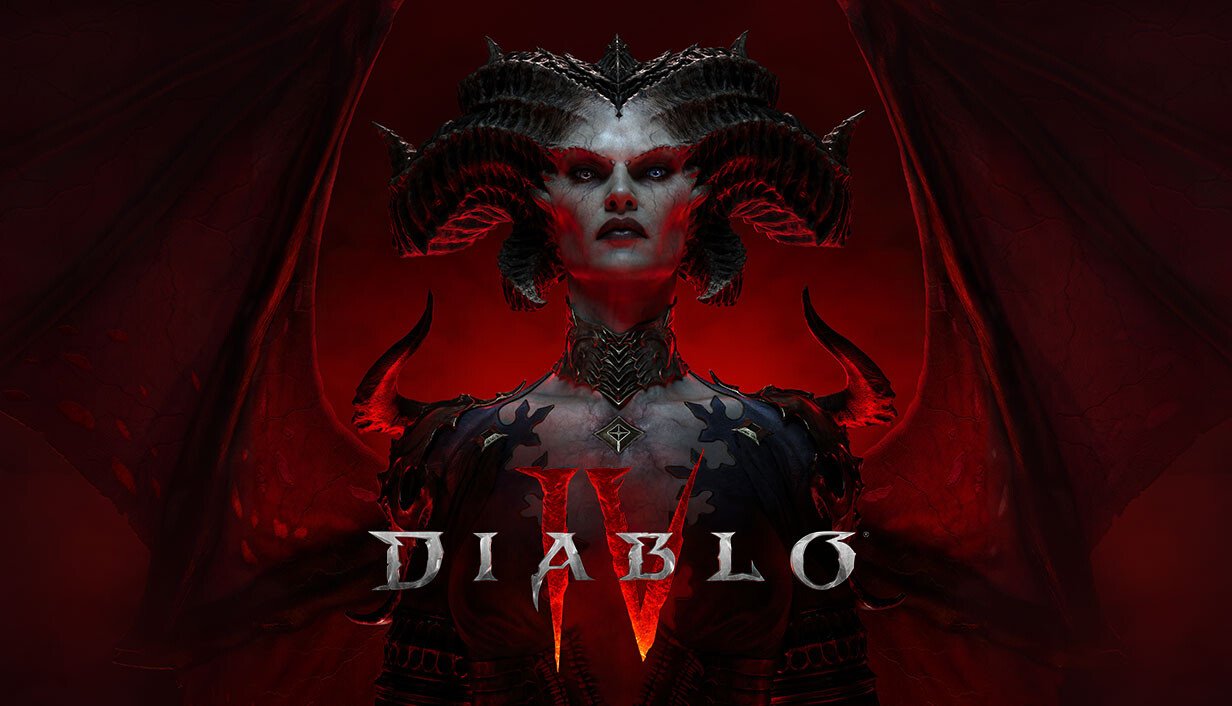
Activision Blizzard has officially confirmed that the critically acclaimed action RPG, Diablo 4, is making its way to the upcoming Nintendo console successor. The release, titled Diablo 4: Age of Hatred Collection, is scheduled for a worldwide launch on September 15, 2026. This announcement marks a significant milestone for the franchise, as the title makes its debut on Nintendo hardware, bridging the gap between high-fidelity dark fantasy and portable gaming architecture.
While the original 2023 release skipped the standard Nintendo Switch due to hardware constraints, the increased computational power of Nintendo’s next-generation platform allows for a seamless port. This release follows the established precedent set by its predecessors, Diablo 2: Resurrected and Diablo 3: Eternal Collection, which both found success within the Nintendo ecosystem. By bringing the Age of Hatred Collection to this new hardware, Blizzard is aiming to provide a comprehensive experience that bundles the base game with all subsequent expansions, ensuring that players have immediate access to the full breadth of the Sanctuary narrative.
Technical Advancements and Hardware Integration
One of the most notable aspects of the Age of Hatred Collection is its technical implementation on the new hardware. According to the preliminary Nintendo eShop listing, the game will feature support for High Dynamic Range (HDR) rendering. This is a significant addition for the Diablo series, as the game’s aesthetic relies heavily on high-contrast visuals, deep shadows, and bioluminescent lighting effects. HDR support will enable players to experience the oppressive, gothic atmosphere of the world with greater color depth and brightness range than previous iterations allowed.
Furthermore, the integration of touchscreen support provides a tactile dimension to the management of inventory and skill trees. In a game as menu-intensive as Diablo 4, the ability to reorganize loot, navigate complex paragon boards, and manage skill point distribution via direct touch input offers a layer of efficiency that traditional controller inputs often lack. This optimization demonstrates a tailored approach to the hardware, ensuring that the interface remains intuitive while transitioning from a stationary console experience to a hybrid, portable environment.
The Architecture of the Open World
Diablo 4 is defined by its massive, interconnected open world. Unlike previous titles that relied heavily on procedural generation for primary hubs, the world of Sanctuary in this installment offers a fully explorable map teeming with environmental storytelling. From the desolate, snow-capped peaks of Fractured Peaks to the toxic swamps of Hawezar, the environment is designed to be persistent and alive.
The inclusion of dynamic, server-wide events such as World Bosses and Helltides necessitates a stable network architecture. Players on the new console will benefit from full cross-play and cross-progression capabilities. This means that a user can maintain a single character profile across different platforms, carrying over gear, progress, and seasonal rankings. Whether a player is grinding through nightmarish dungeons on a desktop setup or participating in a quick Helltide event while on the move, the persistence of the character remains consistent across the entire Diablo ecosystem.
Deep Customization and End Game Systems
At the core of the Age of Hatred Collection is a robust character progression system. Players can choose from five distinct classes, each possessing its own resource management and combat style. The character growth is bifurcated into two distinct phases: the primary leveling journey through Skill Trees and the complex endgame customization via Paragon Boards. These boards allow for granular control over a character’s statistics and combat mechanics, enabling specialized builds that can tackle the most challenging content, such as The Pit or high-tier Uber Bosses.
The endgame is further bolstered by the seasonal model, which introduces fresh mechanics every few months. By participating in these seasons, players engage with evolving threats, earn rewards through the Battle Pass, and participate in limited-time events that rotate throughout the calendar year. This structure ensures that the game remains relevant well beyond the initial campaign completion, providing a constant cycle of loot acquisition and tactical refinement.
Strategic Impact on the Action RPG Genre
The release of Diablo 4 on Nintendo’s new console serves as a testament to the evolving capability of handheld-hybrid gaming. By successfully porting a modern, service-based RPG that requires significant memory bandwidth and processing power, Activision Blizzard is setting a new standard for portable performance.
This release also signals a broader commitment to the portability of the Action RPG genre. By removing the traditional barriers between home console performance and mobile convenience, the Age of Hatred Collection offers a versatile experience for players who prioritize accessibility without sacrificing depth. As the industry moves toward hardware that can handle increasingly complex visual workloads, the arrival of this title signifies that the lines between enthusiast-level PC gaming and high-end console gaming are continuing to blur, ultimately benefiting the player by providing more flexibility in how and where they engage with complex, long-form content.
Disclaimer: This content is auto-generated for informational purposes only.
Source: Read Original News