







Inside SAI’s Little Japan: Preparing India’s Elite Athletes for the Global Stage
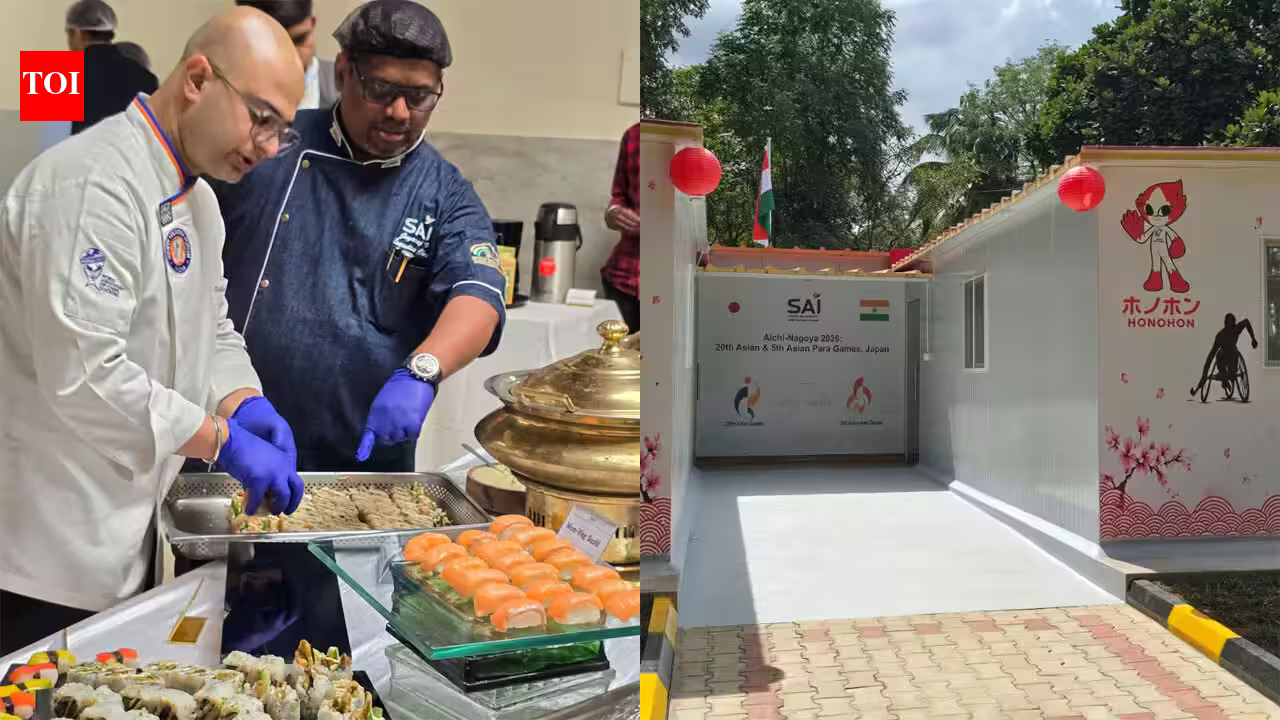
In the heart of the Sports Authority of India (SAI) South Centre in Bengaluru, a unique transformation has taken place. Amidst the familiar surroundings of standard training facilities, rows of modified shipping containers now stand as a surreal, vibrant bridge between India and the upcoming athletic host nation, Japan. Adorned with delicate murals of cherry blossoms and traditional chochin lanterns, these structures are not mere decorative curiosities; they represent a strategic, high-tech initiative by the Indian sports establishment to eliminate the culture shock that often hampers international performances.
Engineering an Immersive Environment
The project, which also spans the SAI facility in Patiala, aims to simulate the living conditions, sensory environment, and culinary landscape of Japan. Each container has been meticulously converted into a functional, two-bedroom unit capable of housing four athletes. Beyond the aesthetic exterior, the interior design focuses on acclimatization. Athletes are greeted by modern amenities integrated with LED displays that stream vital logistical information regarding the Asian Games. To foster a deeper psychological connection to the host culture, the living spaces are stocked with Japanese literature, including foundational texts like Ikigai and Kaizen, encouraging a mindset of continuous improvement and purpose—the hallmark of Japanese professional philosophy.
Built at an approximate cost of Rs 20 lakh per unit, the containers were constructed over a 45-day period. While the primary objective is to prepare athletes for the rigors of international competition, the SAI has ensured these are not temporary “pop-up” structures. They are designed for permanent integration into the campus. According to Vishnu Sudhakaran, regional director of the SAI South Centre, the facilities will serve a dual purpose long after the current games conclude. Beyond their role in training cycles, the units will transition into transit accommodation for the families of athletes, providing a comfortable space for loved ones to stay during visits.
Culinary Diplomacy: Training the Palate
Perhaps the most challenging aspect of acclimating to a foreign country is the drastic shift in diet. Recognizing this, the SAI has gone to great lengths to revolutionize its canteen offerings. Since January, the kitchen staff at the South Centre has undergone rigorous, specialized training under the guidance of chef Vaibhav Soni, a consultant from Snowy Foods. This initiative goes far beyond simply adding new dishes to a menu; it is an educational journey into the cultural roots of Japanese gastronomy.
The training program involved an exhaustive deep dive into the philosophy of Japanese eating. Chefs were schooled not just in the “how” of cooking, but in the “why”—understanding the ingredients, the seasonal requirements, and the nutritional balance expected at each mealtime. Practical training covered a wide spectrum of traditional staples, including ramen, various styles of sushi, tempura, and yakitori. Chef Soni’s continued oversight ensures that the standards remain high, providing athletes with a consistent experience that helps their bodies adapt to Japanese nutritional profiles well before they land on foreign soil.
Bridging the Gap for Elite Athletes
For the elite athletes, the “Little Japan” initiative has proven to be a significant morale booster. The familiarity gained through these facilities effectively lowers the cognitive load of traveling, allowing competitors to focus entirely on their performance rather than logistical or dietary anxieties. Indian women’s hockey team striker Lalremsiami, who has spent considerable time utilizing the center, notes that the experience has been transformative.
“Some of us are used to eating sushi, but for a lot of the athletes, it was their first taste of Japanese food,” she observed. “Since we have been experiencing the cuisine for a while now, we know what ingredients go into a particular dish and what to expect on our plate. The containers have given us an experience of what to expect in terms of accommodation.” By de-mystifying the host environment, the SAI is empowering athletes to approach the Asian Games with the confidence of someone returning to a familiar routine rather than stepping into an unknown void.
A Blueprint for Future International Campaigns
The success of the Bengaluru and Patiala initiatives could set a new benchmark for how India prepares its national teams for major global events. By investing in physical infrastructure that mirrors the host destination, the SAI is acknowledging that modern high-performance sports is as much about psychological comfort and metabolic stability as it is about physical training.
The inclusion of the volleyball team as the first residents, followed by the integration of track and field stars and the women’s hockey team, indicates that this project is a scalable model. The strategy is clear: make the foreign feel familiar. In the high-pressure environment of continental competitions, where marginal gains often determine the difference between a podium finish and empty-handed returns, these “little” slices of Japan are providing India’s athletes with a significant, tangible edge. As these containers become a permanent fixture, the SAI continues to signal a shift toward a more holistic, sophisticated approach to international athletic preparation.
Disclaimer: This content is auto-generated for informational purposes only.
Source: Read Original News