








The Cinematic Ambition of the Ramayana Adaptation
The Indian film industry is currently witnessing the production of one of its most ambitious cinematic projects to date: a multi-part adaptation of the ancient epic, Ramayana. Directed by Nitesh Tiwari, known for his work on Dangal and Chhichhore, the project aims to bring the timeless narrative to a global audience with unprecedented scale and technical finesse. The film is structured as a two-part epic, designed to provide a comprehensive exploration of the legend, with the first installment scheduled for release in November 2026 and the second following in November 2027.
The casting choices have been a major talking point within the industry and among cinema enthusiasts. Ranbir Kapoor has been tapped to portray the role of Lord Rama, while the inclusion of Kannada star Yash as the antagonist, Ravana, has generated significant buzz regarding the film’s production quality and star power. Sai Pallavi has been finalized to play the role of Sita, completing the primary trio. Additionally, rumors regarding the involvement of Sourabh Raaj Jain to play the role of Lord Vishnu have further fueled anticipation for the project, which seeks to blend mythological reverence with high-budget visual effects.
Marketing Challenges and Public Perception
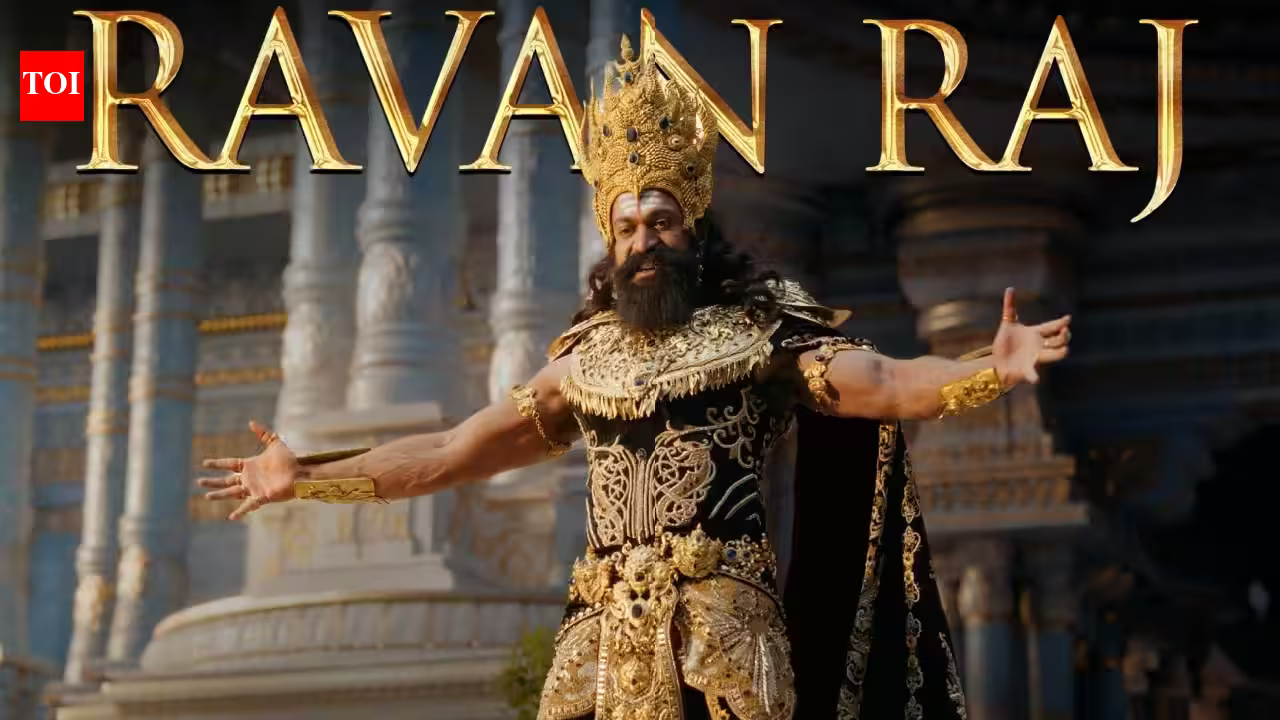
While anticipation for the film remains high, the production has encountered its share of hurdles, particularly regarding its communication and promotional strategies. In a digital landscape where every marketing asset is dissected by a vigilant audience, the producers recently found themselves at the center of a social media storm. On the auspicious occasion of Janmashtami—the festival marking the birth of Lord Krishna—the film’s official handle released a promotional poster featuring Yash as Ravana. The graphic included the text, “Ravan Raj,” accompanied by a caption asserting that his rule would span the three realms.
The decision to feature the antagonist on a day dedicated to the celebration of Lord Krishna did not sit well with a vocal segment of the online community. Within hours of the post, users across platforms such as X, Instagram, and Reddit expressed their frustration. Many critics argued that the timing was insensitive, suggesting that the marketing team had overlooked the cultural significance of the day. The backlash was swift, with many followers questioning the judgment behind the promotional calendar and suggesting that a more appropriate tribute would have been a poster depicting Lord Vishnu, whose incarnation is Lord Krishna, or a respectful acknowledgment of the festival itself.
The Discourse Surrounding Digital Engagement
The public reaction to the “Ravan Raj” poster highlights a broader shift in how major motion pictures interact with their fan bases. In previous decades, film marketing was a top-down process, but today, it is a constant, two-way dialogue. Fans who feel deeply invested in the source material often act as unofficial custodians of the narrative, holding production houses accountable for their messaging. For the team behind this Ramayana project, the criticism served as a reminder that the audience perceives these promotional materials as an extension of their personal and religious identity.
Some users went as far as suggesting that the marketing team may have confused their release schedules, perhaps intending to use the Ravana assets for the upcoming festival of Dussehra—a time traditionally associated with the victory of good over evil and the fall of the demon king. Others voiced deeper concerns about the perceived lack of coordination between the creative output and the cultural pulse of the audience. The discourse suggests that while visual spectacle is essential for a film of this genre, cultural literacy is equally vital to maintaining the trust of the target demographic.
The Pivot: Addressing Fan Expectations
Recognizing the intensity of the feedback, the production team made a strategic move to adjust the narrative later that same day. Several hours after the initial post, the makers released a second poster featuring Ranbir Kapoor in the role of Lord Rama, accompanied by a caption defining him as the “Protector” and the “answer.” This follow-up was widely seen as an attempt to restore balance and reassure the audience that the project remains rooted in the values typically associated with the protagonist.
This pivot illustrates the complex environment in which modern blockbusters must operate. Balancing a marketing plan that needs to showcase all key characters—including the antagonist, who plays a critical role in the narrative—with the sentiments of a diverse audience requires careful navigation. The team’s decision to follow up with a more traditional image was a necessary step in tempering the controversy. It also highlighted the inherent pressure that comes with adapting a story that holds significant historical and religious weight in the Indian consciousness.
Looking Toward a Global Release
Despite the recent controversy, the trajectory for the Ramayana adaptation remains focused on its grand release in late 2026. By setting the first part for a Diwali release, the producers are leveraging the festive period to ensure maximum box office impact, both in India and across international markets. The project is seen as a benchmark for how the Indian film industry can utilize advanced visual effects and international production standards to tell stories deeply embedded in its own cultural heritage.
As the team moves forward, the challenge will be to maintain a consistent tone that respects the epic’s gravity while maintaining interest for a modern generation accustomed to high-stakes cinema. The reliance on legacy stars like Ranbir Kapoor and Yash indicates a move toward “pan-Indian” cinema, where the appeal extends across regional and linguistic boundaries. If the filmmakers can successfully navigate the complexities of audience expectations while delivering a technically superior product, this Ramayana adaptation may well redefine the genre for years to come. For now, the production serves as a prominent case study in the power of digital optics and the high expectations placed upon those tasked with bringing a national legend to the silver screen.
Disclaimer: This content is auto-generated for informational purposes only.
Source: Read Original News