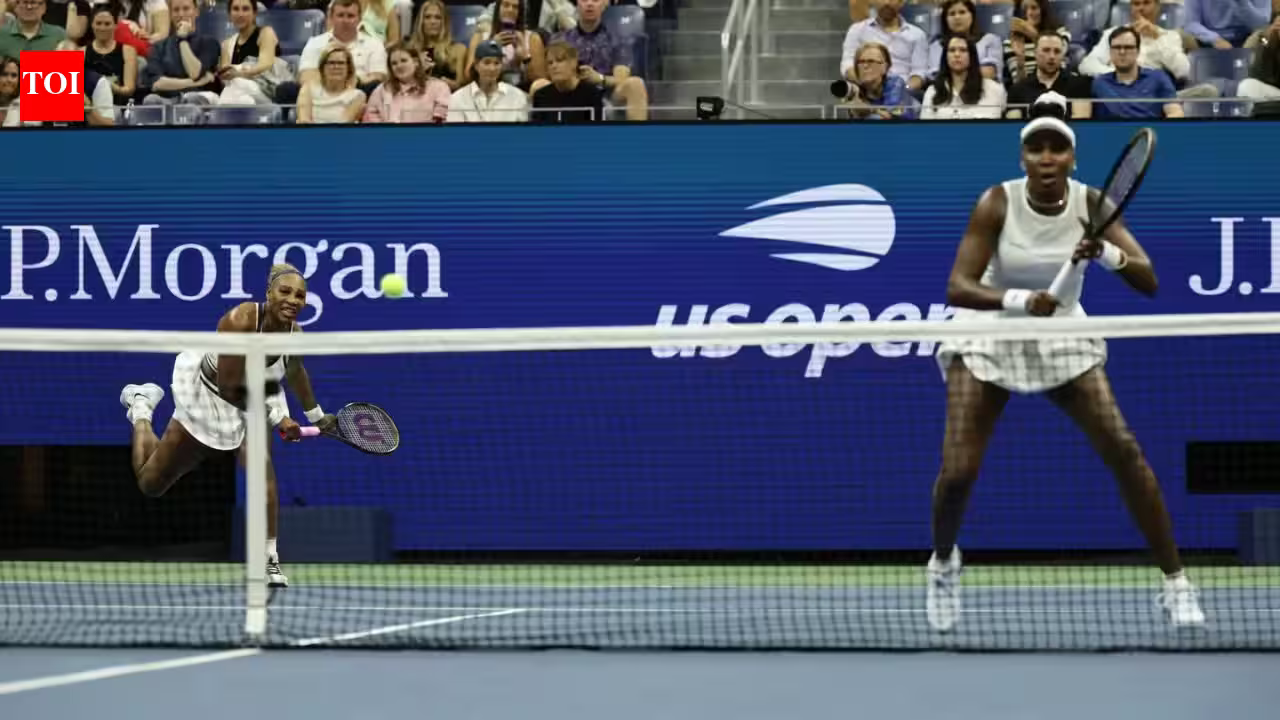









The US Open is widely regarded as one of the most prestigious stages in professional tennis, drawing massive crowds to Flushing Meadows to witness the world’s elite compete for championship glory and life-changing prize money. However, beneath the glare of the stadium lights and the intensity of the baseline rallies lies a rigid framework of professional obligations that every participant must navigate. Among these requirements is a mandate that many fans—and perhaps even some players—underestimate: the mandatory post-match media engagement, a duty that carries a steep potential penalty of $50,000.
The Strict Language of the Grand Slam Rulebook
The professional tennis landscape is governed by a precise set of regulations designed to ensure that the sport remains accessible to fans, broadcasters, and sponsors. According to page 49 of the Official Grand Slam Rulebook, players are contractually obligated to participate in media opportunities at an appropriate and reasonable time following the conclusion of each match. This rule is not merely a formality; it is a binding component of entry into a Grand Slam tournament.
These media obligations are comprehensive. They extend far beyond the traditional, crowded press conference room. The rules stipulate that players are expected to make themselves available for interviews with the host broadcaster, various international and national rights holders, and, in the case of the tournament champions, specific media activities requested by the organizers. Because these obligations are tied to the tournament’s overall health and contractual commitments, they remain in force even after a player has been eliminated. The disappointment of a crushing defeat does not serve as a waiver for these duties; players are expected to fulfill their media responsibilities before finalizing their travel arrangements to leave New York.
Financial Consequences and Professional Conduct
The penalty for failing to comply with these requirements is significant, with fines reaching up to $50,000. Tournament officials do allow for flexibility in extreme cases, such as documented physical illness or acute injury that renders a player incapable of speaking, but the threshold for a valid exemption is high. Without such justification, the tournament reserves the right to impose heavy financial sanctions, a measure meant to ensure parity and professionalism across the board.
The enforcement of these rules highlights a delicate balance in professional sports: the tension between a player’s personal wellbeing and the commercial requirements that sustain the professional circuit. While fans crave deep insights into a player’s mindset after a dramatic win or a devastating loss, the players themselves are often navigating high-pressure, emotionally draining environments. Despite this, the consistent application of these rules remains a cornerstone of the tournament’s operational model, keeping the sport aligned with its global media footprint.
The Naomi Osaka Precedent and Mental Health Awareness
The issue of mandatory media attendance shifted from a procedural administrative concern to a global talking point in 2021, when Naomi Osaka, then the world No. 2, brought the debate to the forefront of the tennis world. During the French Open, Osaka announced she would decline all post-match press conferences to protect her mental health, citing struggles with depression and social anxiety. Her stance sparked a massive industry-wide conversation regarding the demands placed upon athletes.
The situation escalated quickly as tournament officials, citing the Grand Slam rulebook, warned that continued refusal to participate in media duties could lead to disqualification or even expulsion from future majors. Ultimately, Osaka opted to withdraw from the tournament entirely, issuing a statement that prioritized her mental health over the potential for fines or expulsion. Her transparency regarding her experiences since the 2018 US Open forced the tennis world to re-evaluate how it supports its stars. While organizations like the WTA, ATP, and ITF have since increased their focus on player wellbeing, the fundamental rules regarding media availability have remained, underscoring the enduring complexity of the sport’s commercial obligations.
Balancing Commercial Interests with Athlete Wellbeing
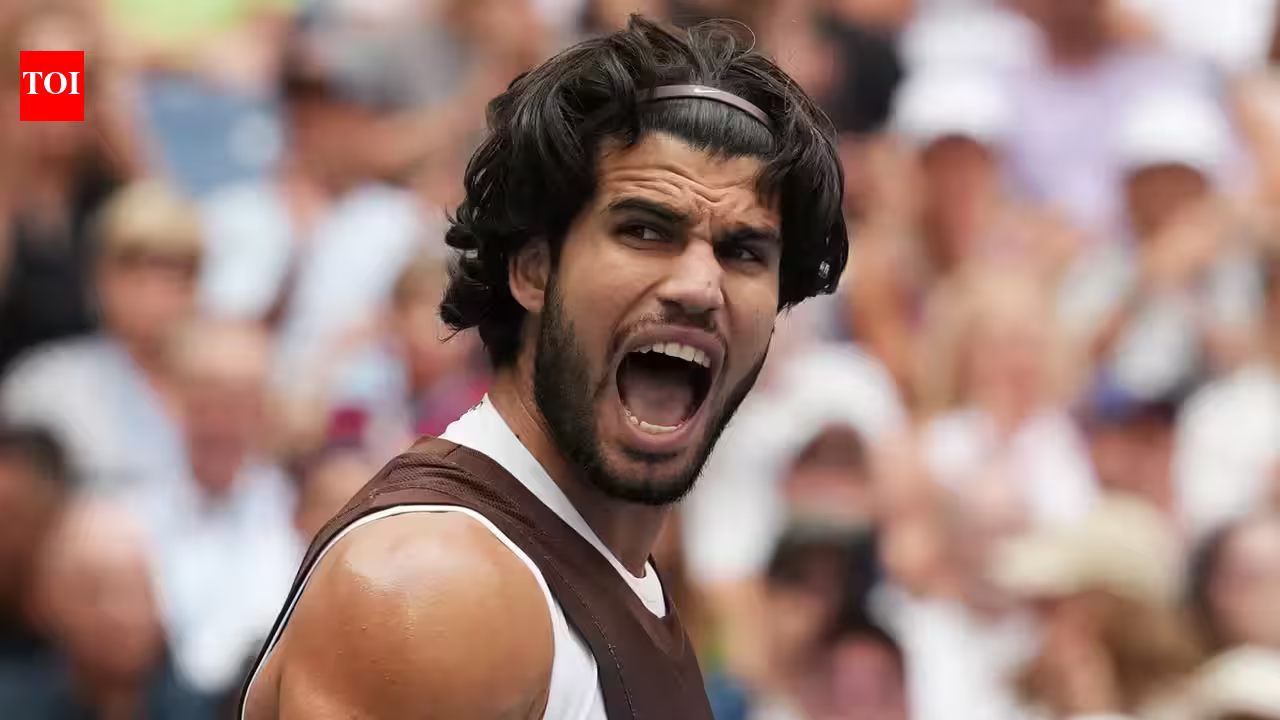
The debate surrounding media access is not unique to tennis, but it is perhaps more visible here due to the individual nature of the sport. At the US Open, the $50,000 fine is a blunt instrument designed to remind athletes that they are part of a broader ecosystem. For the biggest names in the sport—players like Carlos Alcaraz, who continue to draw massive global audiences—the media is the bridge between the court and the fan base.
As the US Open progresses toward its final rounds, the focus naturally remains on the tactical battles and the pursuit of trophies. However, the background noise of the media room remains a constant. For every player, from the qualifiers to the top seeds, the exit interview is as much a part of the tournament as the serve or the backhand. It is a final, mandatory hurdle that must be cleared, ensuring that the sport continues to thrive through the narratives that define its greatest legends and rising stars alike. In this high-stakes environment, the ability to manage one’s public face is arguably as essential as one’s performance on the hard courts of New York.
Disclaimer: This content is auto-generated for informational purposes only.
Source: Read Original News