









A critical knowledge gap is threatening the stability of the private rental sector as the UK government prepares to overhaul Minimum Energy Efficiency Standards (MEES). New data from the National Residential Landlords Association (NRLA) reveals that a significant majority of landlords are dangerously uninformed regarding upcoming regulatory changes, a blind spot that experts warn could trigger a mass exodus from the market.
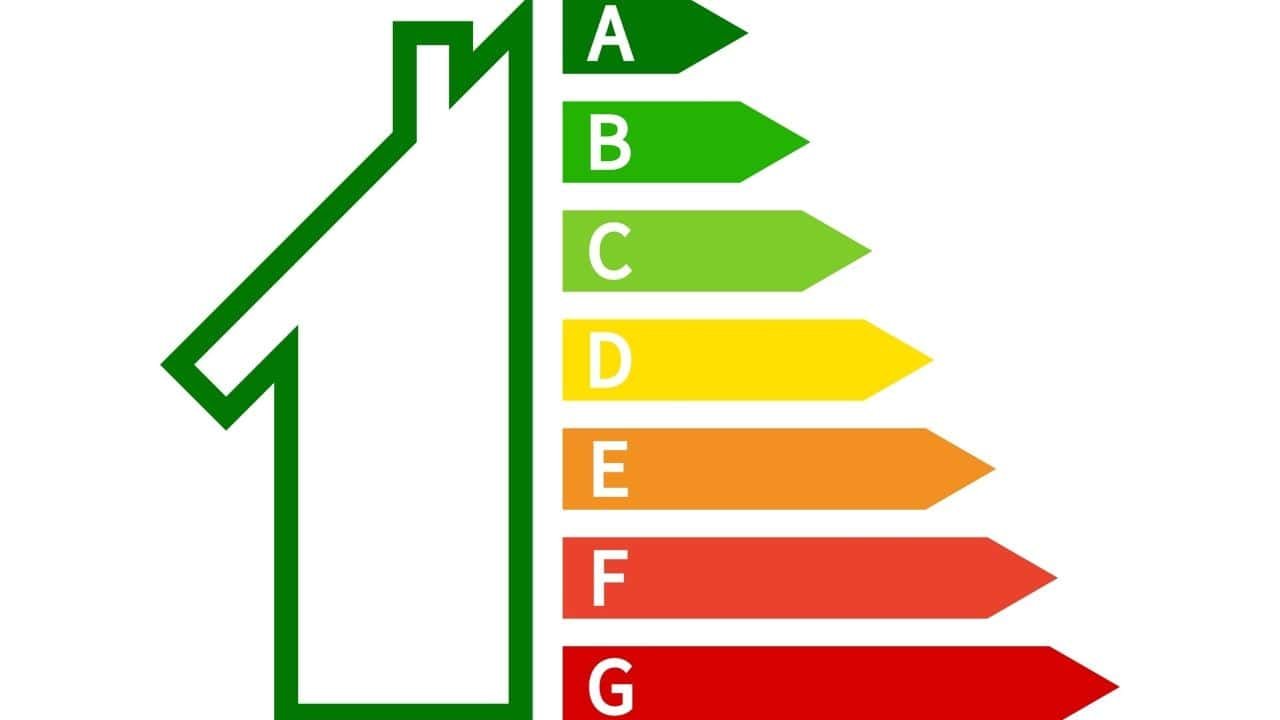
Under the government’s forthcoming reforms, the minimum energy performance certificate (EPC) rating for private rental homes in England and Wales is set to rise from the current ‘E’ to a ‘C’. While the shift is designed to improve energy efficiency across the nation’s housing stock, the NRLA warns that awareness of essential exemptions is alarmingly low.
According to the association’s recent survey, while 28% of landlords are aware that exemptions exist, fewer than 2% have actually registered one in the last two years. Perhaps most concerning is that 42% of landlords admit they are either “not very” or “not at all” confident in their understanding of these provisions.
This lack of clarity is particularly problematic given the age of the UK’s rental housing stock. Nearly a third of privately rented homes in England were built before 1919—a demographic significantly older than owner-occupied or social housing. These heritage and period properties are notoriously expensive to retrofit, often presenting architectural challenges that make achieving a ‘C’ rating difficult or prohibitively costly.
The NRLA is sounding the alarm, suggesting that without a clear understanding of the safety nets available, many landlords may choose to sell their properties rather than face the daunting, and potentially misunderstood, costs of compliance.
“If landlords are unaware that their older properties can be exempted from the new regulations, then this could incentivise them to sell up and focus on their properties that are already close to meeting the C target,” the association stated.
The government’s new approach will move away from the current EPC system in favor of the Home Energy Model (HEM). Compliance will soon be based on a combination of a mandatory ‘fabric standard’ alongside either a ‘heating standard’—which favors low-carbon options—or ‘smart readiness standards.’
To prevent a market contraction, the industry is pushing for greater awareness of existing and proposed exemptions, which include:
- The Cost Cap Exemption: Where landlords have invested up to £10,000 in improvements—excluding fossil fuel heating installations—and further upgrades remain unaffordable.
- Solid Wall Insulation Exemption: Allowing landlords to bypass the requirement for solid wall insulation if deemed inappropriate.
- Property Value Exemption: For homes valued under £100,000, where landlords are not required to spend more than 10% of the property’s total value on energy upgrades.
As the deadline for these reforms approaches, the NRLA is urging landlords to familiarize themselves with these provisions to ensure that older homes are not unnecessarily removed from the rental supply.
Disclaimer: This content is auto-generated for informational purposes only.
Source: Read Original News