








The Governance Architecture of Tata Sons and the Current Legal Impasse
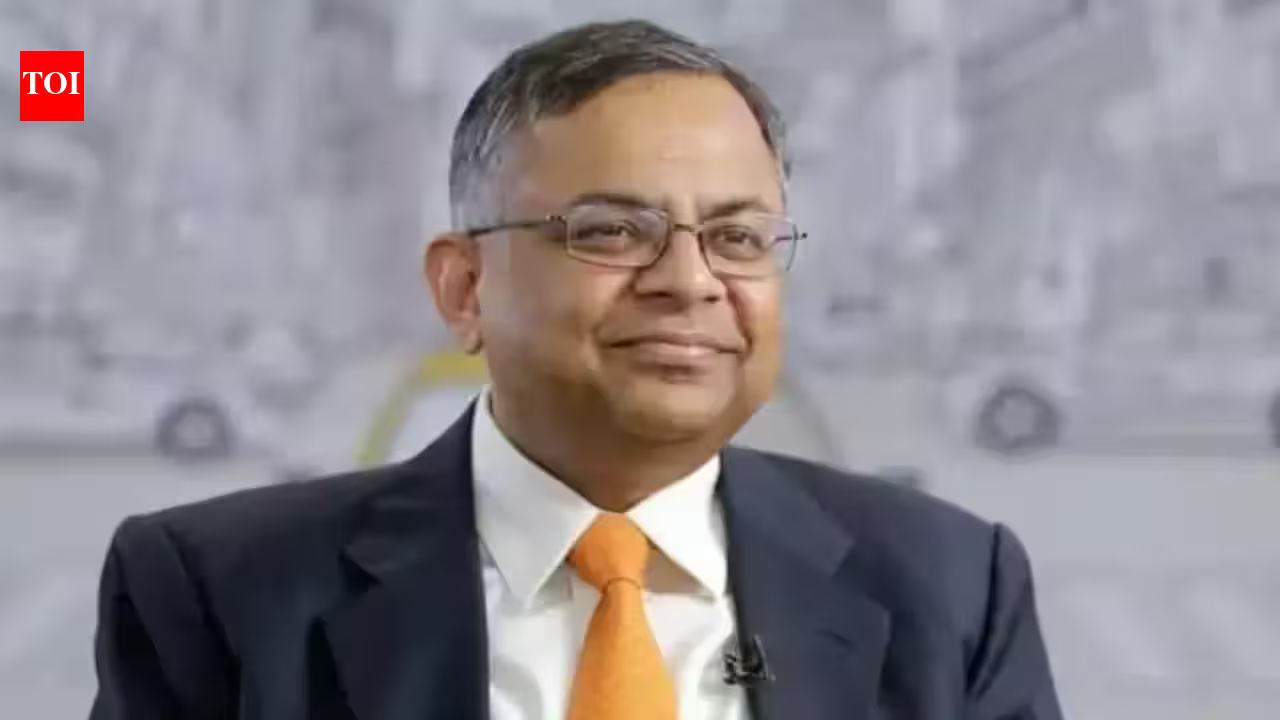
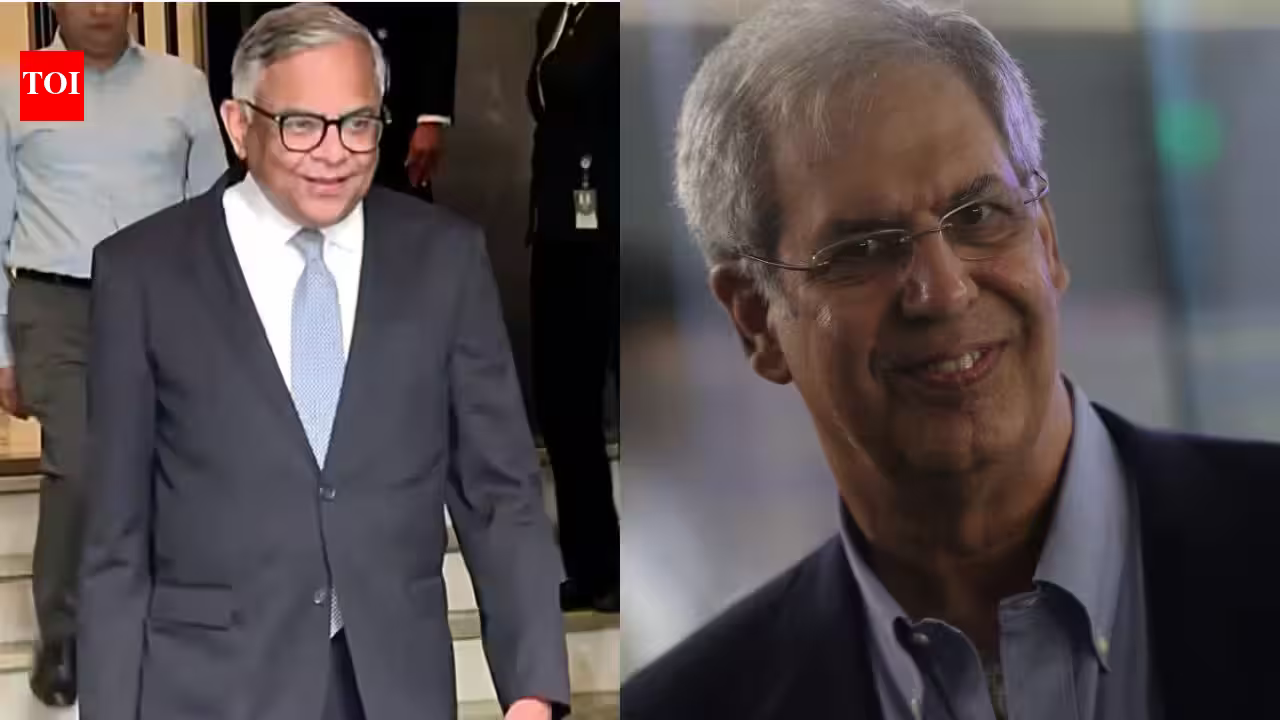
The recent refusal by the Bombay High Court to grant interim relief to Tata Trusts regarding the scheduled Tata Sons board meeting marks a critical juncture in the corporate governance trajectory of India’s largest conglomerate. At the heart of this legal dispute is not merely the position of the chairman, but the fundamental interpretation of shareholder agreements, trust deeds, and the articles of association that govern the multi-billion-dollar enterprise. Tata Trusts, which collectively own a majority stake in Tata Sons, has challenged the reappointment of N Chandrasekaran, asserting that the process bypassed established consultative protocols and internal governance requirements.
From an analytical standpoint, the contention revolves around whether the appointment of the chairman necessitates an explicit, affirmative mandate from the nominee directors representing the trusts. Tata Trusts argues that the influence of the patriarchs and the historical charter of the group demand a specific governance mechanism that ensures alignment between the philanthropic arm and the commercial leadership. By seeking a stay on the November 30 board meeting, the petitioners aimed to freeze the executive decision-making process until a definitive legal interpretation of their veto or consultation rights could be finalized. The court’s decision to allow the meeting to proceed signifies a judicial preference for preventing the paralysis of corporate operations, even while reserving judgment on the merits of the underlying dispute.
Examining the Shareholder-Management Dynamic in Family-Owned Conglomerates
The tension between Tata Trusts and the leadership of Tata Sons highlights a perennial challenge within large Indian family-owned business houses: the transition from legacy-led governance to professional management. Tata Sons operates as a unique hybrid, balancing the philanthropic mandates of its trust-based ownership with the high-pressure, performance-driven requirements of a global conglomerate. In many Indian business groups, the distinction between the “owner” and the “operator” often becomes blurred, leading to frictions when strategic visions diverge.
In this instance, the core issue is the extent to which the majority shareholders can exercise direct control over executive appointments. In standard corporate practice, the board of directors is entrusted with the fiduciary responsibility to appoint leadership. However, the unique structure of Tata Sons—where the primary shareholder is a philanthropic entity—creates a layer of complexity. The trusts argue that their rights are not merely financial but foundational, rooted in a century-old governance structure that necessitates their active participation in key leadership decisions. This clash underscores the importance of clear, unambiguous Articles of Association. In the context of India’s maturing corporate landscape, this case serves as a benchmark for how disputes between institutional shareholders and board management are litigated and resolved under the Companies Act and common law principles.
Professionalization vs. Historical Oversight: The Chandrasekaran Era
N Chandrasekaran has been widely credited with stabilizing and modernizing the Tata Group during his tenure. Under his leadership, the conglomerate has pursued aggressive digital transformation, consolidated its aviation interests, and expanded its global footprint in technology and manufacturing. For many institutional investors, the stability provided by his leadership has been a source of confidence. The reappointment of a leader with such a track record is usually considered a routine matter in high-performing conglomerates.
However, the legal challenge from Tata Trusts suggests that even the most successful professional managers are subject to the underlying power dynamics of the firm’s ownership structure. For investors and market analysts, this situation creates a layer of uncertainty. When the principal shareholders of a company openly contest the leadership’s legitimacy in court, it raises questions about the cohesion of the organization’s top-tier management. The Indian market, which has historically relied on the stability and reputation of the Tata Group as a “gold standard” for corporate ethics, is now watching closely to see if the internal mechanisms of conflict resolution—such as mediation or internal committee reviews—might eventually replace the litigious approach. The outcome will likely influence how other large Indian business families structure their own succession and board appointment protocols to avoid similar public disagreements.
Legal Precedents and the Future of Corporate Litigation
The Bombay High Court’s ruling that the board meeting should proceed, while everything remains “subject to further orders,” is a standard judicial approach that seeks to prevent operational stagnation. By refusing an interim stay, the court has effectively signaled that it does not wish to interfere in the day-to-day administration of a conglomerate unless there is a clear violation of law that would cause irreparable harm. However, this keeps the long-term legal battle active. The arguments presented by the Trusts—specifically citing historical rules that have existed for decades—suggest that this case will likely turn on the interpretation of contractual obligations rather than subjective opinions on performance.
For legal practitioners and corporate observers in India, this case is an essential study in the limitations of minority vs. majority shareholder influence. It highlights the importance of the “nominee director” role. In Indian corporate law, the fiduciary duty of a director is to the company, not to the nominating shareholder. However, the reality of Indian business practice often sees these nominees acting as conduits for the interests of the promoters or major shareholders. When these interests collide with the company’s executive leadership, the board’s capacity to function as an independent body is tested. The judiciary’s final word on this matter will set a significant precedent for how nominee directors across the Indian corporate sector navigate their dual roles in the future.
Market Implications for the Tata Ecosystem
The Tata Group’s diverse portfolio, spanning software, steel, automobiles, and retail, means that any perceived instability at the holding company level has immediate implications for the broader stock market. Tata Sons acts as the parent and promoter for several listed entities, and the market generally rewards the clarity and continuity of leadership within the conglomerate. A prolonged legal battle regarding the chairman’s position, while perhaps not threatening the operational viability of subsidiaries like Tata Consultancy Services or Tata Motors, could lead to a “governance discount” on the group’s valuation if investors perceive the leadership structure as fragile.
From a macroeconomic perspective, the health of the Tata group is intrinsically linked to the health of the Indian economy. As the conglomerate continues to pivot toward green energy, semiconductor manufacturing, and advanced electronics, its leadership requires significant autonomy to execute long-term capital-intensive strategies. The current impasse invites a necessary debate on whether the governance model of the early 20th century is fully compatible with the requirements of a 21st-century global powerhouse. As the matter continues to move through the courts, the primary interest of the market remains consistent: a swift resolution that clarifies the lines of authority and ensures that the conglomerate can focus on its strategic objectives without the distraction of perpetual boardroom friction. The outcome of this case will undoubtedly be a defining moment in the modern history of India’s corporate governance.
Disclaimer: This content is auto-generated for informational purposes only.
Source: Read Original News