








WASHINGTON D.C. — In a significant development ahead of the upcoming midterm elections, the Supreme Court issued a ruling on Monday declining to allow the Trump administration’s proposed restrictions on mail-in voting to take effect. The decision serves as a major procedural hurdle for the White House, effectively preserving current voting procedures for the duration of the election season.
The high court’s brief, unsigned order offered little explanation for the decision, noting only that the administration was “unlikely to succeed on the merits” of its ongoing legal challenge to a lower-court ruling. That previous ruling, delivered by U.S. District Judge Indira Talwani, had temporarily halted the new USPS requirements after finding that the agency likely lacked the legal authority to impose them.
The court’s action was not unanimous. Justices Samuel Alito and Clarence Thomas signaled their disagreement with the decision by dissenting. Meanwhile, Justice Brett Kavanaugh provided a key swing vote, agreeing to keep the lower court’s injunction in place for the midterms while simultaneously suggesting that he could favor the administration’s position in the long term.
In a one-paragraph concurrence, Kavanaugh clarified his reasoning, focusing on the logistical impossibility of implementing sweeping changes on such a short timeline. While he wrote that there was “at least a fair prospect” that the U.S. Postal Service would eventually be found to have the authority to implement the new rules, he concluded that forcing those changes through before the midterms would be “arbitrary and capricious.” He cited the reality that election officials simply “do not have sufficient time to reasonably implement the rule before the elections.”
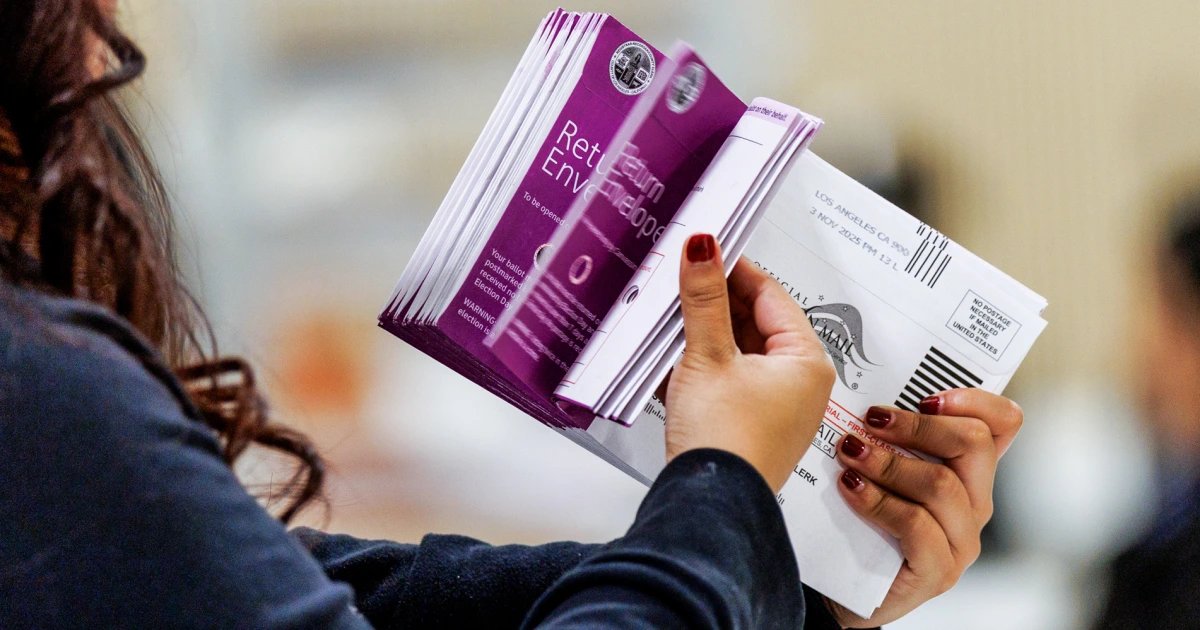
The ruling arrives just weeks after the Supreme Court provided a victory for the administration, issuing a 6-3 decision that allowed parts of President Trump’s executive order on mail-in voting to move forward. That August decision cleared the path for the Department of Homeland Security to begin compiling a federal citizenship list and authorized the Postal Service to develop new protocols for handling mail-in ballots.
However, those protocols quickly faced intense scrutiny. Internal warnings from a USPS whistleblower sparked “grave concerns” regarding the integrity of the new system, specifically noting that a technical failure—such as a single bar code failing to scan—could potentially result in the delay or loss of batches containing tens of thousands of ballots. These concerns heavily influenced the legal challenges that have now culminated in this Supreme Court intervention.
While Monday’s ruling provides a reprieve for mail-in voting as it stands for the current election cycle, the broader legal battle remains far from settled. The Supreme Court has yet to make a final ruling on the underlying question of whether the Postal Service has the statutory authority to impose such restrictions, leaving the long-term future of these voting regulations in legal limbo.
Disclaimer: This content is auto-generated for informational purposes only.
Source: Read Original News