





India’s liquor industry is betting on the Hindi heartland as consumers increasingly upgrade to premium whiskies, craft spirits, and luxury alcohol brands.

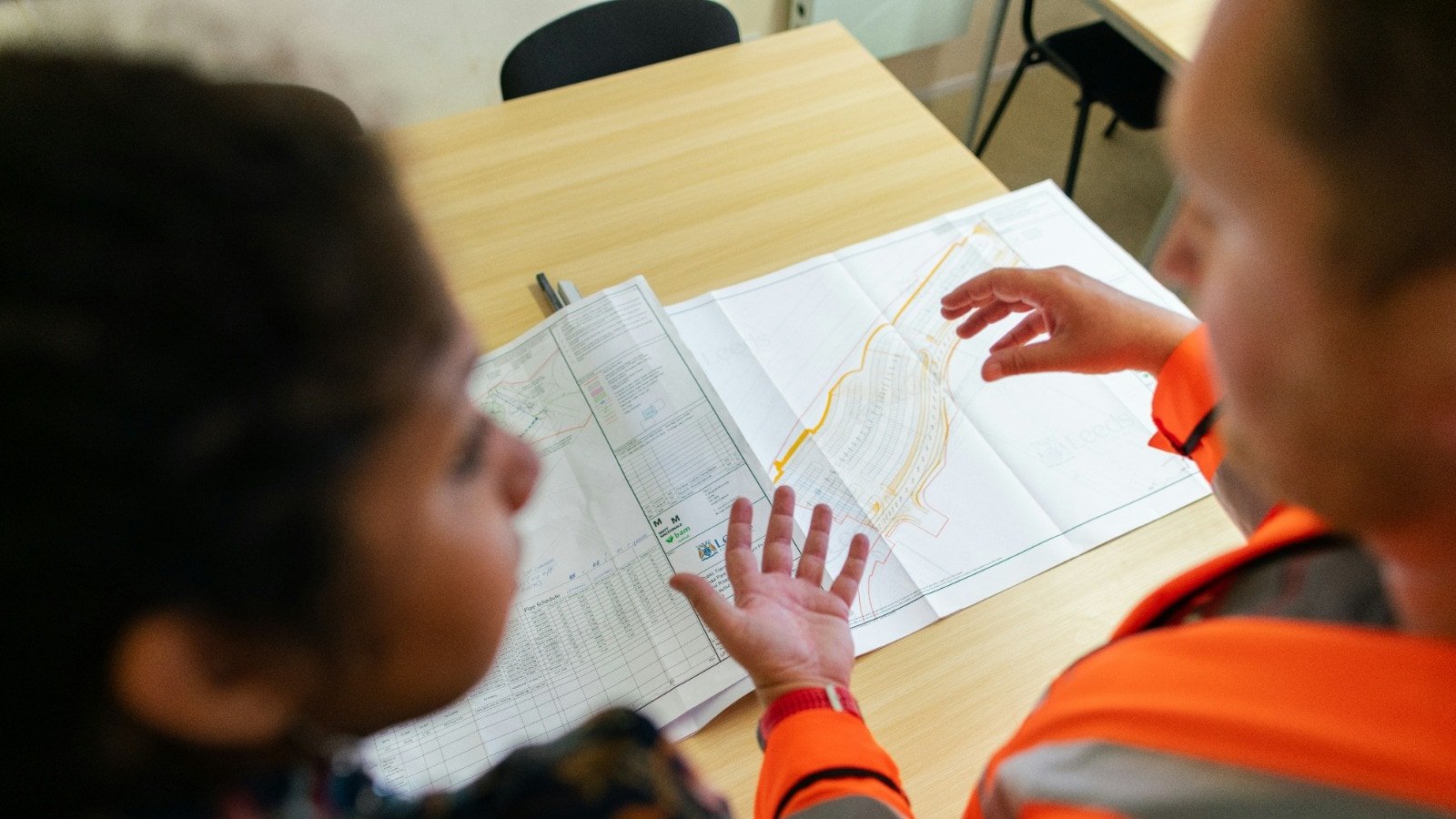
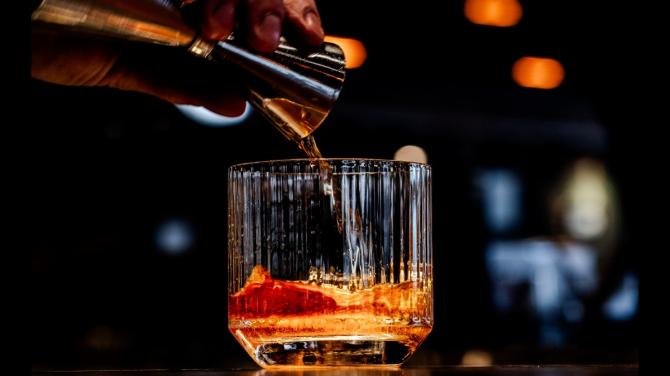
Kindly note the image has only been published for representational purposes. Photograph: Kind courtesy Naci Berk Domanic/Pexels
Key Points
- Indian liquor brands are strategically expanding their luxury portfolios and launching craft spirits in Hindi heartland states, recognising them as key drivers for premiumisation.
- State governments in Uttar Pradesh, Rajasthan, Haryana, Jharkhand, and Chhattisgarh are implementing policy reforms to boost revenue, attract investment, and encourage premium alcohol consumption.
- The shift reflects India’s transition from a savings to a consumption society, with higher disposable incomes and changing lifestyles driving consumers towards premium liquor offerings.
- Premiumisation is extending beyond traditional whiskies to include craft gins, flavoured vodkas, premium rums, and Indian single malts, with cocktail culture expanding to Tier-II cities.
- Despite challenges like pricing and distribution flexibility, industry players remain optimistic about the significant growth potential for luxury spirits in these emerging markets.
Indian liquor brands are increasingly betting on Hindi heartland states as the next big engine of premiumisation by expanding luxury portfolios, launching craft spirits, and upgrading retail experiences.
The shift comes as state governments, long seen as conservative on alcohol policy, embrace reforms aimed at improving revenue collection, attracting investment, and encouraging premium consumption.
In states such as Uttar Pradesh (UP), Rajasthan, Haryana, Jharkhand, and Chhattisgarh, companies are increasingly seeing premiumisation emerge as a key growth driver, with consumers steadily moving beyond lower-priced liquor to higher-value and premium offerings.
Policy Reforms Driving Growth
The industry points to recent policy reforms as a key enabler.
UP has introduced measures to position the state as an export hub for liquor manufacturing and ease business conditions for premium alcohol brands.
Haryana, meanwhile, has expanded premium retail formats under its excise policy, while Rajasthan has moved towards modernising retail licensing and premium outlet formats.
Sanjit Padhi, chief executive of the International Spirits and Wines Association of India (ISWAI), said the broader transformation reflects “the country’s shift from a savings society to a consumption society”.
“Consumers are upgrading based on higher disposable incomes, exposure to social media, and changing lifestyles. Premiumisation also improves revenue efficiency for states because consumers trading up pay higher duties,” he said.
Padhi also said that states are becoming more pragmatic towards the alcohol industry as excise revenues increasingly account for one of the largest components of state tax collections.
Expanding Premium Categories and Markets
Industry executives also believe premiumisation is no longer confined to whisky, with consumers increasingly experimenting with craft gin, flavoured vodka, premium rum, Indian single malts, and imported spirits.
Anant Iyer, director-general of the Confederation of Indian Alcoholic Beverage Companies, said premiumisation trends are now visible across multiple categories and cities.
“Whether it is Indian single malts, luxury whiskies, craft gins, or premium vodkas, companies are launching products across Haryana, UP, and Rajasthan because demand is evolving rapidly,” Iyer said.
He also pointed to a raft of launches by Indian companies seeking to compete directly with multinational brands.
These include premium whiskies such as Rampur and Royal Ranthambore, gin brands such as Jaisalmer, and premium vodka offerings from domestic players.
“Consumers are experimenting much more now, even in Tier-II towns,” Iyer said. “The cocktail culture is expanding beyond metro cities to Lucknow, Kanpur, Jaipur, and Chandigarh.”
ALSO READ: Which are India’s best wines?
Strategic Focus on Emerging Markets
Echoing the trend, alcoholic beverage companies are redesigning their strategies around these markets.
New Delhi-based Radico Khaitan said North and Central Indian states, including UP, and Rajasthan, are emerging as major growth markets for premium spirits.
Kunal Madan, chief marketing officer of Radico Khaitan, said the firm has expanded launches of brands such as Rampur Double Cask, Sangam World Malt, and The Spirit of Kashmyr across these markets.
The company’s premium portfolio now contributes more than 70 per cent to its total Indian-made foreign liquor sales value.
Photograph: Henry Nicholls/Reuters
Its prestige and above (P&A) segment brands recorded 28.5 per cent volume growth and 30.9 per cent net sales growth in 2025-26, according to the company.
Tilaknagar Industries, maker of Monarch Legacy brandy, said premiumisation opportunities remain sizeable despite these states already having a relatively higher salience of P&A products compared with the national average.
Ameya Deshpande, chief strategy officer of Tilaknagar Industries, said the next phase of growth would be driven by stronger storytelling, innovation-led portfolios, and improved on-trade experiences.
The company has expanded offerings such as Seven Islands and Monarch Legacy Edition while also investing in craft spirits maker Spaceman Spirits Lab.
Craft spirits maker Nao Spirits & Beverages, known for Greater Than and Hapusa, expects Hindi heartland states to contribute close to 20 per cent of its overall revenue within the next two years.
Anand Virmani, cofounder and master distiller at the company, said premiumisation remains concentrated in urban clusters such as Jaipur, Udaipur, Jodhpur, Gurugram, and Faridabad, though demand is gradually spreading beyond anchor cities.
Diwakaran Suryanarayana, chief operating officer of Woodpecker Distilleries & Breweries under Bhopal-headquartered Som Group, said states such as UP, Odisha, and Jharkhand have seen premium beer mixes rise by 8-10 per cent over the past year.
“UP has among the highest salience of premium beer in the country at nearly 30 per cent of total beer sales,” Suryanarayana said.
“Consumers are willing to trade up if premium beer pricing remains within 1.2 to 1.3 times that of mainstream beer.”
ALSO READ: Drink the wine, my friends
Industry Outlook and Challenges
At the same time, Padhi of ISWAI highlighted some of the industry’s pain points.
He said states should consider “unshackling” the industry by allowing companies greater flexibility on pricing and distribution.
Even so, players remain optimistic that premiumisation in the Hindi heartland is only beginning.
Shalini Sharma, head of marketing at Piccadily Agro Industries, maker of Indri, said the next phase of growth for luxury spirits in India will be driven by affluent consumers in emerging cities.
“These are no longer purely volume-driven markets. Consumers are becoming more quality-conscious and willing to pay for globally benchmarked Indian brands.”
The next pour
- Premiumdemand rising across UP, Haryana, Rajasthan and neighbouring states
- Consumers expanding beyond whisky into gin, vodka, and craft spirits
- Domestic brands competing directly with multinational offerings
- Affluent consumers increasingly trading up to higher-value brands
Feature Presentation: Rajesh Alva/Rediff