





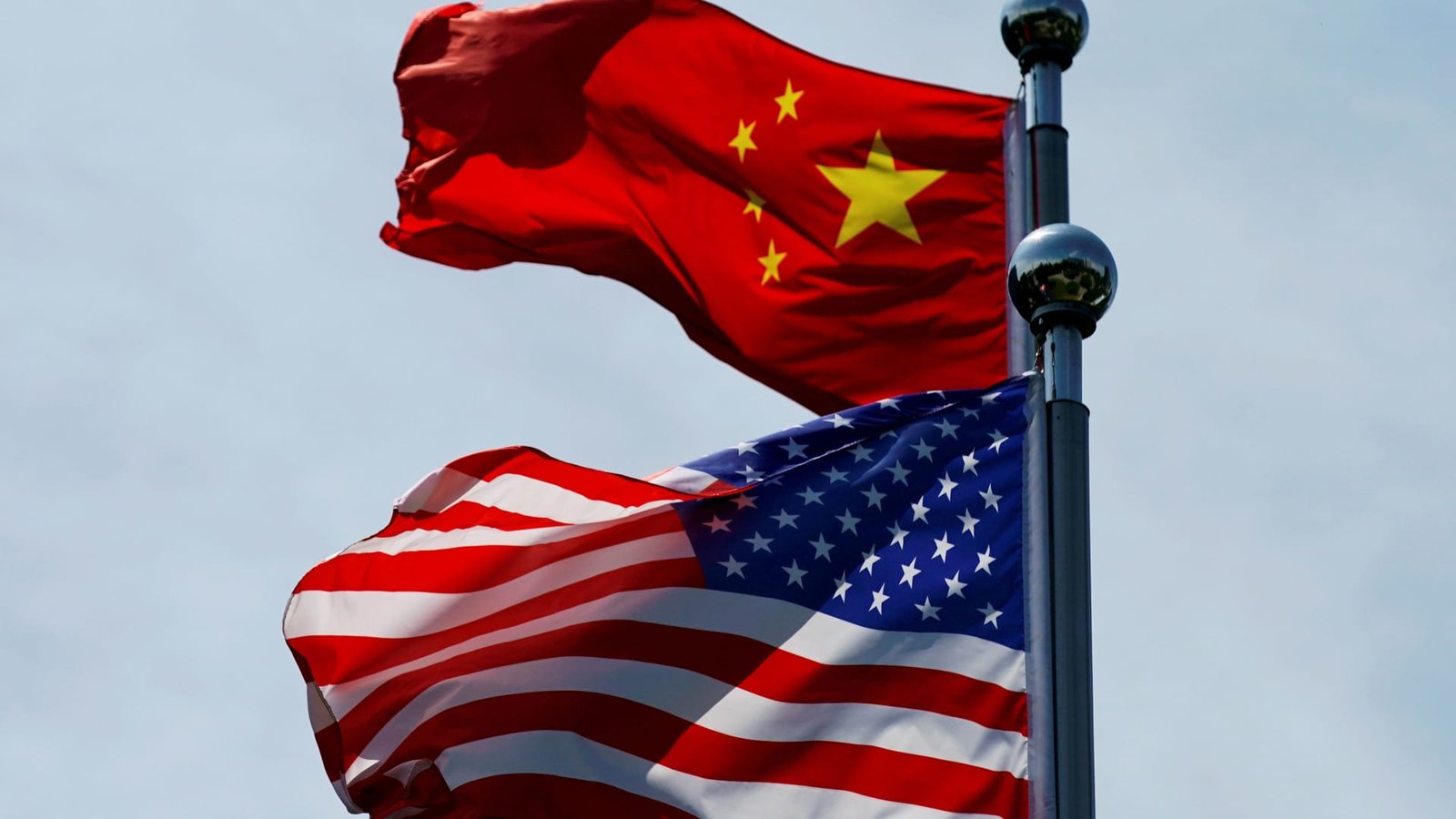
The White House hosted a high-stakes state dinner this week featuring a guest list that served as a “who’s who” of the American technology sector, signaling a pivotal moment for U.S.-China relations. As President Donald Trump welcomed Chinese President Xi Jinping to the United States, the presence of top Silicon Valley executives highlighted the growing intersection of global diplomacy, artificial intelligence development, and international commerce.
The event, which brought together over 100 influential figures, underscored the reliance of both nations on the digital economy. While the evening featured traditional state dinner formalities—including a menu of sea bass and honey-infused desserts—the seating arrangement placed the heads of the world’s most powerful tech firms in close proximity to the two leaders, highlighting the industry’s central role in current bilateral discussions.
Silicon Valley Giants Shape the Diplomatic Table
The tech industry maintained a heavy footprint at the state dinner, with leaders from companies central to the global AI race in attendance. Apple’s Tim Cook, Nvidia’s Jensen Huang, and Meta’s Mark Zuckerberg were among the prominent tech executives seated near the presidential couples. Also present were OpenAI’s Sam Altman and Greg Brockman, alongside leadership from Google, Microsoft, AMD, and Qualcomm.
The inclusion of these figures reflects the immense pressure currently placed on tech conglomerates to navigate the geopolitical divide. For companies like Nvidia, whose chips serve as the backbone for generative AI, and Google, which continues to drive innovation in search and AI software, the dinner served as a high-profile backdrop for discussions regarding the future of trade, data security, and technological parity. Interestingly, while companies like Meta and OpenAI were represented, other prominent AI-focused firms, such as Anthropic, were notably absent from the official guest list.
Tech Policy in the Age of AI
The dialogue between President Trump and President Xi reportedly brought “new substance” to the two nations’ relationship, a sentiment likely shared by the tech executives looking for clarity on export controls, data privacy, and global supply chains. As the tech industry faces increasing scrutiny over its influence on international markets, the dinner provided a rare opportunity for private-sector leaders to witness—and potentially influence—the tone of diplomatic discourse.
The guest list also highlighted the shift toward a more integrated approach to government-industry relations. With individuals like SpaceX and Tesla CEO Elon Musk in attendance, the event underscored the blurring lines between national infrastructure projects, private space exploration, and government policy. These leaders represent the cutting edge of domestic economic growth, making their input increasingly vital to policymakers navigating the complexities of the digital era.
The Future of Global Trade Relations
Beyond the technology sector, the dinner was attended by a broad coalition of financial and industrial titans, including representatives from BlackRock, JPMorgan, and Goldman Sachs. However, the absence of prominent Chinese corporate leaders on the list suggested a clear focus on U.S. domestic concerns and the official government-to-government agenda.
As President Xi prepares to depart, the long-term impacts of the summit remain to be seen. For the tech industry, the event served as a reminder that their innovations are no longer just business assets, but core components of national security and international strategy. Whether these high-level interactions lead to a thawing of tensions or a new framework for digital cooperation, the presence of the industry’s architects ensures that the future of technology remains firmly on the table in Washington’s halls of power.
Disclaimer: This content is auto-generated for informational purposes only.
Source: Read Original News