







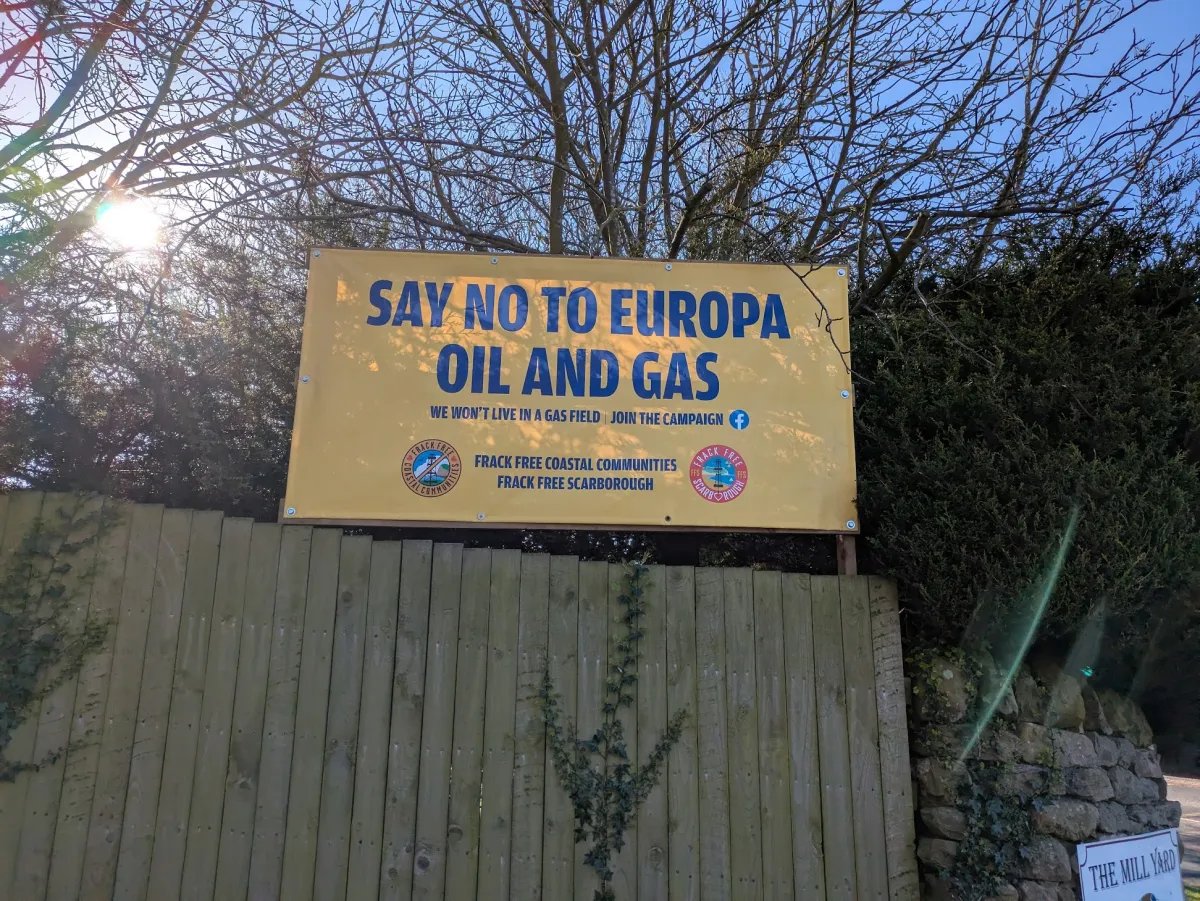
A formal complaint has been lodged against the Environment Agency (EA) regarding its oversight and procedural handling of proposed gas drilling and low-volume hydraulic fracturing operations in Burniston, North Yorkshire. The move marks a significant escalation in the ongoing local opposition to the project, as residents and environmental advocates challenge the regulatory body’s transparency and adherence to safety protocols.
The dispute centers on a planning application submitted for a site near Burniston, where the operator intends to conduct exploratory gas drilling. Opponents argue that the EA’s assessment processes have been insufficient, particularly concerning the potential risks to groundwater, local seismic stability, and the long-term environmental integrity of the surrounding rural landscape. The formal complaint alleges that the agency failed to adequately consult with local stakeholders and overlooked critical data points regarding the cumulative environmental impact of high-intensity drilling activities in a sensitive area.
For years, the village of Burniston has been the focal point of a protracted struggle between energy developers and local environmental groups. The core of the current grievance lies in the perceived “regulatory drift” of the Environment Agency. Residents allege that the EA has treated the permit application with a bureaucratic passivity that disregards the concerns of those living in immediate proximity to the proposed site. Key issues cited in the complaint include the sufficiency of methane leak detection measures, the disposal methods for flowback fluid generated during low-volume fracking, and the long-term monitoring strategy for the wellbore’s structural integrity.
“The Environment Agency is mandated to be the guardian of our natural resources, yet in this instance, we believe they have acted as a facilitator for industry interests rather than an impartial regulator,” said a spokesperson for the local action group coordinating the complaint. The group contends that the agency’s risk assessment models are outdated and do not reflect the specific geological sensitivities of the North Yorkshire coast. By failing to integrate comprehensive independent environmental studies into their decision-making process, the complainants argue that the EA has compromised its duty of care.
In response to the allegations, the Environment Agency stated that it remains committed to its rigorous permitting regime. An EA spokesperson emphasized that every application undergoes a thorough scientific review, which includes detailed assessments of environmental impact, flood risk, and chemical storage. The agency maintains that its oversight is designed to protect people and the environment, and it asserts that all legislative requirements have been met throughout the evaluation of the Burniston site.
The formal complaint now triggers an internal review process within the EA. If the initial findings are deemed unsatisfactory by the complainants, the matter may be escalated to the Parliamentary and Health Service Ombudsman. This path is frequently taken by environmental groups when they feel administrative failures have resulted in unjust outcomes for local communities.
This legal and regulatory challenge arrives at a complex time for the UK’s energy sector. With the government balancing ambitious net-zero targets against the need for domestic energy security, projects involving unconventional gas extraction remain intensely controversial. Critics of the Burniston project argue that continuing to invest in fossil fuel infrastructure—even on a lower-volume basis—contradicts national climate commitments and risks locking the region into decades of carbon-intensive industry.
As the review process begins, the local community remains vigilant. The case highlights the widening gap between the government’s energy objectives and the expectations of local populations regarding the transparency of regulatory bodies. For now, the future of the Burniston site rests on whether the formal complaint can compel the Environment Agency to reopen its investigation or, at the very least, provide a more robust justification for the safety standards currently in place. The outcome of this dispute will likely set a significant precedent for how future unconventional drilling applications are handled across the country, particularly regarding the depth and inclusivity of the public consultation process.
Disclaimer: This content is auto-generated for informational purposes only.
Source: Read Original News