






NEW DELHI: Researchers from IIT-Delhi, AIIMS New Delhi and the Institute of Human Behaviour and Allied Sciences (IHBAS) have developed the first Hindi version of the Melodic Intonation Therapy (MIT), a music-based treatment designed to help stroke survivors regain their ability to speak. The pilot study has been published in ‘Aphasiology’, an international journal.
Stroke is one of the leading causes of disability in India that causes non-fluent aphasia among many survivors—a condition that severely affects speech while often leaving comprehension intact. Although many patients retain the ability to sing familiar songs, they struggle to speak.
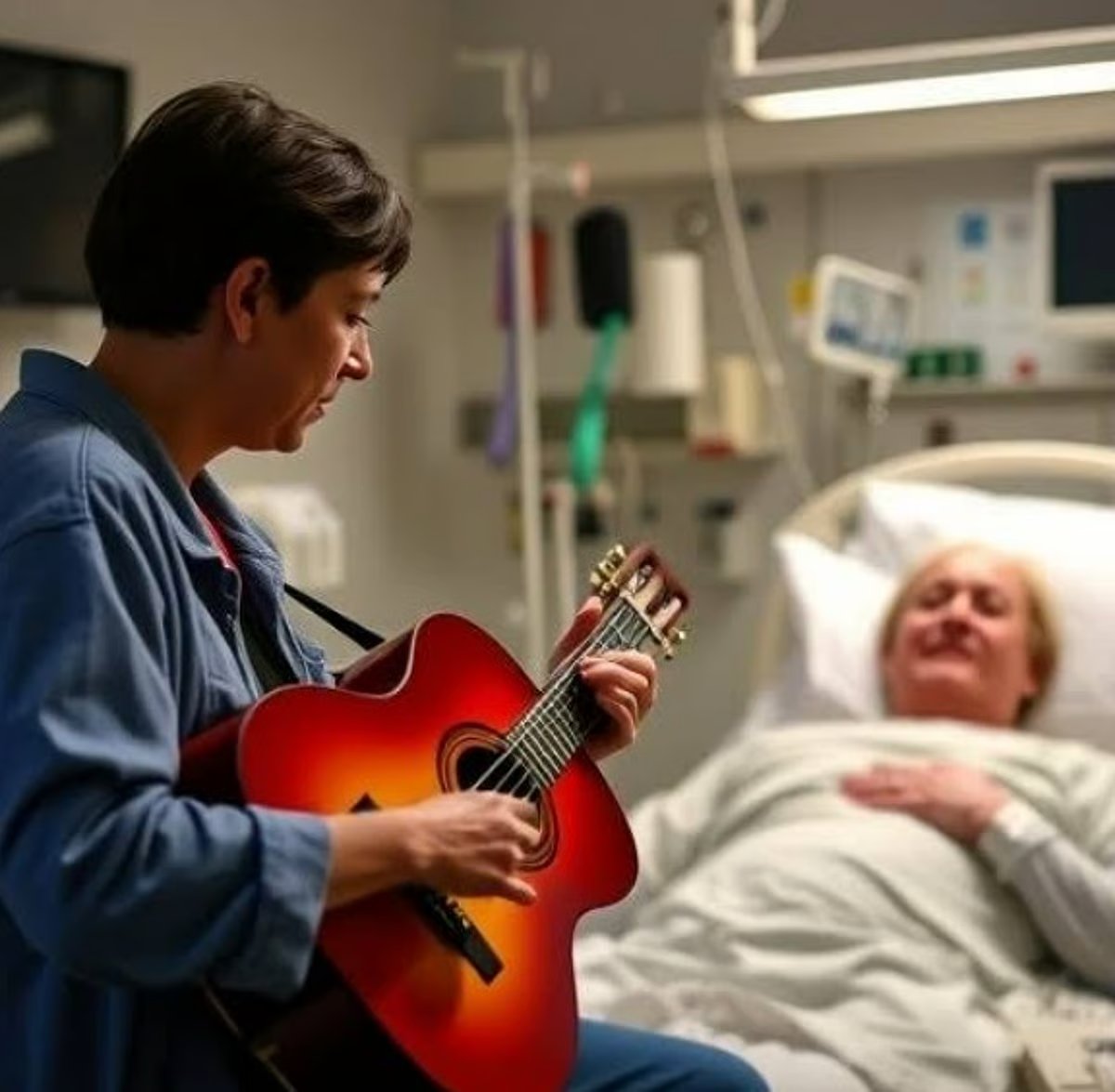
MIT builds on this preserved musical ability by using melody and rhythm to stimulate language recovery. While the therapy has been widely used in English and several western languages, no validated Hindi version existed until now. Recognising the need for a language-specific approach, the research team adapted the therapy to match Hindi’s rhythm, stress patterns and cadence rather than simply translating existing English materials.
The pilot study involved six Hindi-speaking stroke survivors who underwent 40 therapy sessions of 45 to 60 minutes each under the supervision of trained speech therapists. All participants completed the programme and demonstrated clinically meaningful improvements in speech. According to the researchers, patients were able to form longer sentences, communicate more fluently and reported an improved quality of life. Notably, no adverse effects were observed during the study.