


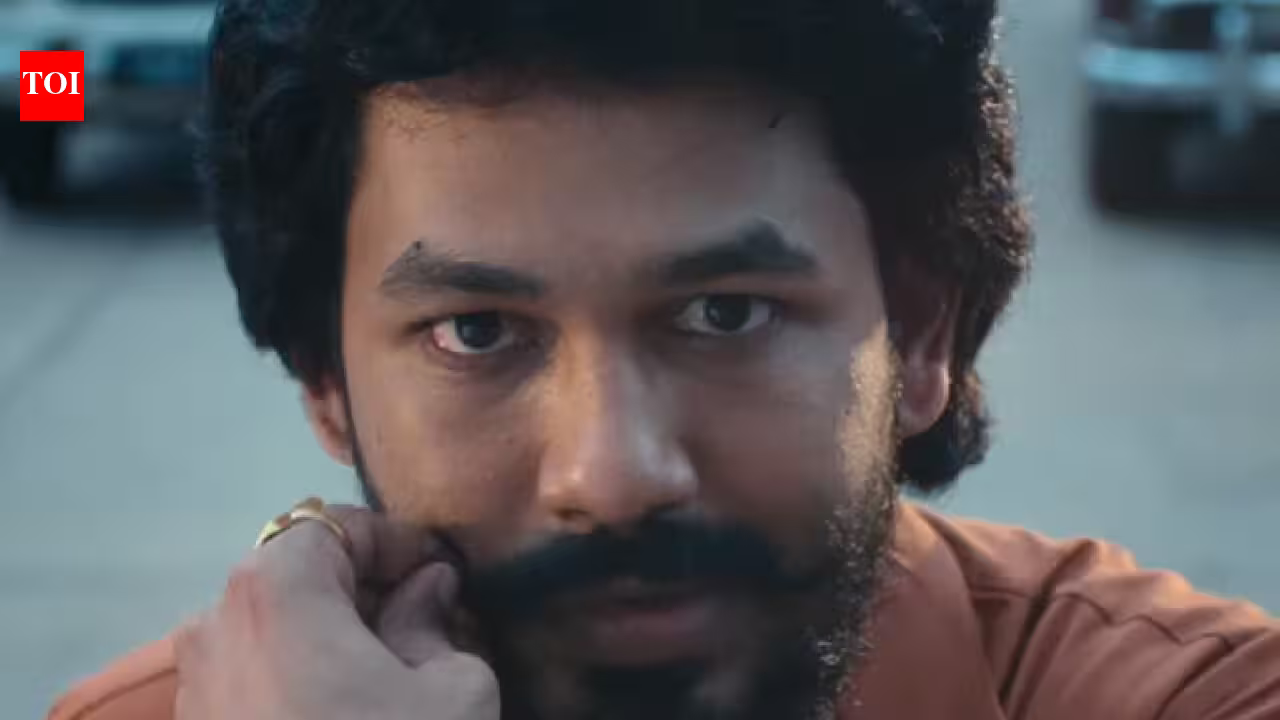



The nostalgia surrounding Meesaya Murukku is palpable. When it arrived in 2017, the film wasn’t just a hit; it was a cultural touchstone for a generation of Tamil youth who grew up watching Aadhi’s transition from an independent internet sensation to a mainstream musical force. Now, as the gears turn for the long-awaited sequel, Hiphop Tamizha Aadhi isn’t just looking to recreate lightning in a bottle—he’s looking to pivot entirely.
The announcement of Meesaya Murukku 2 sent ripples through the industry, but as details emerge from the Chennai press circuit, it’s clear that the film isn’t a direct chronological continuation of Aadhi’s own personal autobiography. Instead, it is a deliberate expansion of the franchise’s DNA, trading personal confessionals for a broader, rhythm-driven narrative.
A New Rhythm: Why ‘Meesaya Murukku 2’ Isn’t Just a Sequel
In an industry where sequels are often churned out as “part two” cash-grabs, Aadhi is making a risky but fascinating creative choice. The original film was an intimate blueprint of his own rise to fame—a raw, heartfelt account of a college student finding his voice. The follow-up, however, moves the camera away from Aadhi’s mirror and points it toward the industry at large.
“The first part was based on my own life,” Aadhi noted during a recent press meet. “But Meesaya Murukku 2 is the story of a musician. It is a film about music.” By detaching the narrative from his personal history, Aadhi has given himself the creative freedom to explore the struggles, the politics, and the euphoria of a life dedicated to the craft of sound. It is less of a biopic and more of a love letter to the professional musician’s journey.
Filling the Void: The Legacy of Vivek and the Arrival of Baba Bhaskar
Perhaps the most sensitive aspect of the production is the absence of the legendary Vivek, who played a pivotal role in the heart of the first film. The late actor’s performance as the doting, supportive father remains one of the most beloved elements of the original. Replacing that presence was never an option.
Aadhi candidly addressed this at the press event, admitting that while no one could ever “replace” an icon like Vivek, the film needed a new anchor. Enter Baba Bhaskar Master. Aadhi’s decision to cast the choreographer-turned-actor as the father figure is a calculated shift in energy. It promises to offer a different dynamic—one that Aadhi believes will showcase a side of himself as a lead actor that fans haven’t yet seen. It is a transition from the “student” Aadhi to a more mature, multifaceted performer.
The Rise of Harshath Khan
Beyond the music and the lead casting, Meesaya Murukku 2 serves as a milestone for the project’s supporting talent, specifically comedian Harshath Khan. Aadhi’s trajectory with Khan is a testament to the community-building aspect of the Hiphop Tamizha brand. Having scouted Khan years ago for the independent music video Bai Bai Bai, Aadhi has watched his protégé graduate to the big leagues.
In the sequel, Khan is more than just comic relief; he is playing a character version of himself. Aadhi credits him with handling the film’s lighter moments with a sophistication that anchors the more dramatic musical segments. By pulling from real-life incidents and incorporating them into the script, the film attempts to ground its high-energy musical sequences in the relatable, often messy reality of a struggling artist’s social circle.
Elevating Gana: A Musical Time Capsule
If the first film was a coming-of-age story, the second is an archival project. Aadhi’s obsession with Gana music—a genre that has long been the heartbeat of Chennai’s streets—is central to the film’s identity. But he isn’t just using Gana as a background track; he’s treating it like a historical artifact.
The film features 12 songs, a massive undertaking that serves as a chronological exploration of the genre. By curating music that spans the 1980s, the 1990s, and the present day, Aadhi is making a statement: Gana is not “local” in the derogatory sense; it is a sophisticated, evolving oral history of the people. This isn’t just an entertainment feature; it’s an attempt to push the genre into the mainstream spotlight and grant long-overdue respect to the artistes who have kept it alive for decades.
A Massive Ensemble and the Road Ahead
The production scale for Meesaya Murukku 2 is markedly different from the scrappy, indie-film energy of the first. With industry heavyweights like Sundar C and Khushbu backing the project, and an ensemble cast including Yogi Babu, Nassar, Karunas, and Aadukalam Naren, the sequel is aiming for a much larger footprint.
With Anbarivu director Aswin stepping in as a creative producer, the technical backbone of the film seems solid. For Aadhi, this is more than just a musical comedy; it is a “celebration of music and entertainment.” Whether the audience is ready to accept a Meesaya Murukku that steps away from the “Aadhi origin story” remains to be seen, but the ambition behind the project is undeniable.
As we wait for the final cut, one thing is certain: Hiphop Tamizha isn’t interested in repeating the past. He is far more interested in using his platform to rewrite the narrative of what a musician’s life looks like on the big screen. If the 12-song tracklist is anything to go by, this won’t be a film that fades into the background—it will be one you feel in your chest.
Disclaimer: This content is auto-generated for informational purposes only.
Source: Read Original News