








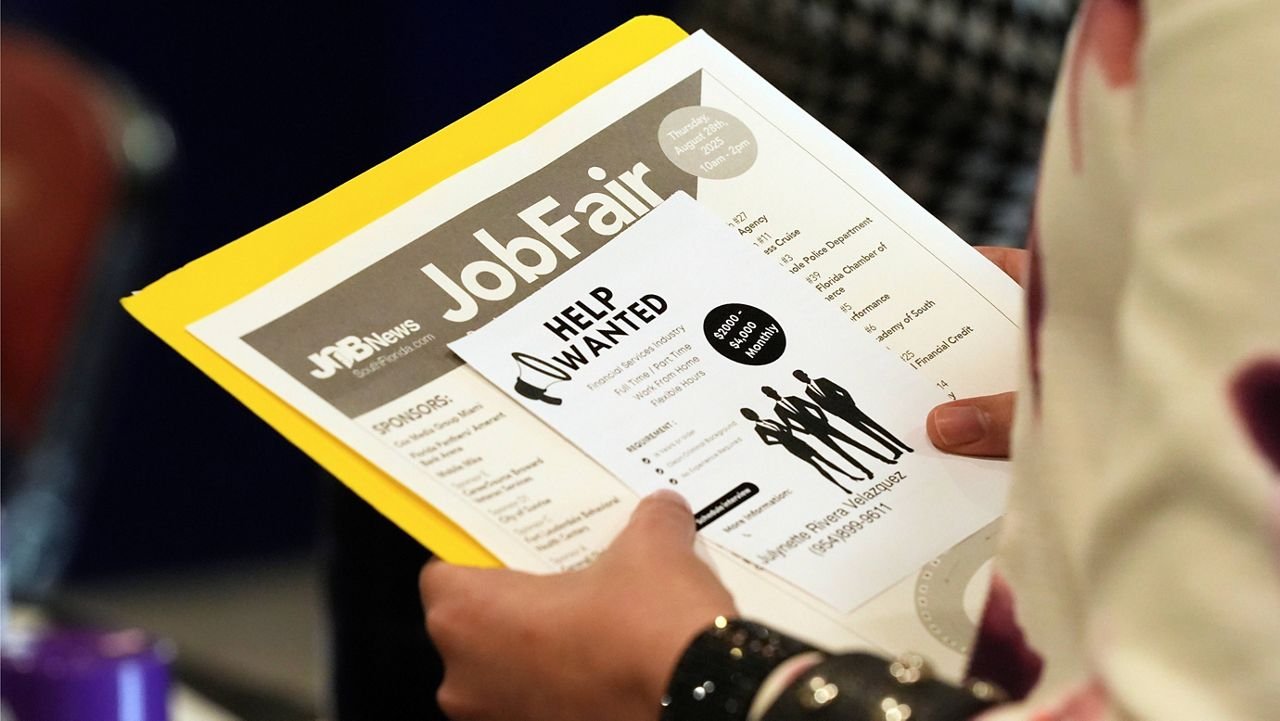
WASHINGTON — In a significant Breaking News development, the U.S. Labor Department released a jobs report on Friday revealing that employers added 162,000 positions in August, far exceeding the 65,000 jobs projected by analysts. This unexpected surge, coupled with upward revisions of 55,000 jobs for the preceding months of June and July, underscores a resilient labor market despite shifting economic conditions. The national unemployment rate remains steady at a low 4.1%, providing a notable boost to President Donald Trump’s economic standing just two months ahead of the midterm elections. While the broader labor force experienced a monthly expansion of 683,000 individuals, the underlying structure of the market reveals a complex “no-hire, no-fire” dynamic that continues to baffle industry experts.
This Alert highlights a paradoxical environment where companies are increasingly cautious regarding aggressive recruitment while simultaneously demonstrating extreme reluctance to reduce their current staff levels. Economists attribute this unique situation to a shrinking labor pool—driven by baby boomer retirements and tighter immigration policies—and a pivot toward technological efficiency and AI to maximize existing workforce productivity. Although hiring remains subdued and gross new job creation has declined by 5% to fewer than 5.1 million, the frequency of layoffs remains at historic lows, with initial jobless claims hovering between 200,000 and 230,000.
Ultimately, this landscape offers high job security for those currently employed, yet poses substantial challenges for new entrants and those seeking to re-enter the workforce. As the “break-even” hiring rate continues to decline, businesses appear to have abandoned traditional expansion strategies in favor of maintaining a stable, leaner operation. While the August data offers a positive headline, the persistence of these labor shortages and the resulting stagnation in entry-level hiring remain critical points of concern for policymakers and analysts alike. As this story develops, stay tuned for further updates on the economic implications of this shift.
Source: Read Original News