






Basketball is no longer just a game for the NBA in India; it is a burgeoning cultural phenomenon. As the league continues its aggressive expansion into one of the world’s most complex sports markets, the focus has shifted from simple television broadcasts to a comprehensive, multi-layered commercial ecosystem. For a league accustomed to turning hardwood heroes into global icons, the mission in India is clear: transform passive admiration into a sustainable, billion-dollar enterprise.
## Beyond the Broadcast: A Lifestyle Strategy
For years, the NBA faced the logistical hurdle of the “time-zone gap.” With games frequently occurring during Indian business hours or the deep of the night, relying solely on live viewership was never a viable long-term growth model. NBA executives recognized early that in a country where cricket reigns supreme, they could not rely on traditional sports consumption patterns.
“You can’t just focus on broadcast and say, ‘please watch my game,'” explains Rajah Chaudhry, the NBA’s Head of Strategy for the Asia-Pacific region. “You have to do other things around the sport.”
This philosophy has led to a diversification strategy that integrates music, fashion, and digital storytelling into the core product. By positioning the NBA as a lifestyle brand—where an LA Lakers jersey is as much a fashion statement as it is a nod to athletic loyalty—the league is tapping into a demographic that values global entertainment as much as the sport itself.
## The Physical Frontier: Retail Expansion
The most significant leap in this strategy is the recent announcement regarding the league’s partnership with Indian apparel giant Suditi. The collaboration, which began in 2018, is set to enter its most ambitious chapter yet. Come October 2026, Suditi will take the helm of NBAStore.in, significantly expanding the range of available products to include lifestyle footwear, premium casual wear, and a broader array of accessories.
Perhaps most critically, the partnership will culminate in the launch of the first physical NBA store in India in 2027. This move is a tactical masterstroke. By transitioning from digital storefronts to brick-and-mortar locations, the NBA is moving from the screens of mobile phones into the high-street retail centers of India’s major metros. It is a calculated effort to legitimize the “knockoff” market that already exists, replacing bootleg jerseys with official, high-quality merchandise that fans can touch, feel, and wear with pride.
## Building the Ecosystem: Partnerships and Innovation
The league’s success is also underpinned by deep-rooted commercial partnerships that extend beyond simple sponsorship. Swiss watchmaker Tissot, a long-term partner of the NBA, serves as a prime example of how these relationships foster innovation.
“Our objective is to contribute to each sport’s growth through long-term collaboration and innovation,” says Tissot CEO Sylvain Dolla. By co-developing sport-specific technologies, such as the redesigned shot clock now adopted across the WNBA, the NBA ensures that its partners are ingrained in the very mechanics of the game. This collaborative spirit allows the league to maintain a premium brand image that resonates with India’s growing middle and upper classes.
## Capturing the Digital Audience
While retail and live events provide the foundation, the digital landscape remains the primary engine for growth. The NBA’s Indian social media presence is nothing short of formidable, boasting over eight million followers and generating billions of impressions annually.
By prioritizing short-form video, player storytelling, and localized content, the league ensures it stays relevant during the “off-hours.” When fans aren’t watching live games on Prime Video or through NBA League Pass, they are consuming highlights, memes, and cultural commentary. This constant digital presence keeps the NBA within the daily conversation, ensuring that the league is never relegated to a niche interest.
## The Reality of the “Cricket-First” Market
Despite the momentum, the challenge remains significant. India is a market where sponsorship money and national attention are heavily skewed toward cricket. The NBA must continue to differentiate itself from the sheer volume of local sports content while simultaneously battling the “inconvenient hour” broadcast dilemma.
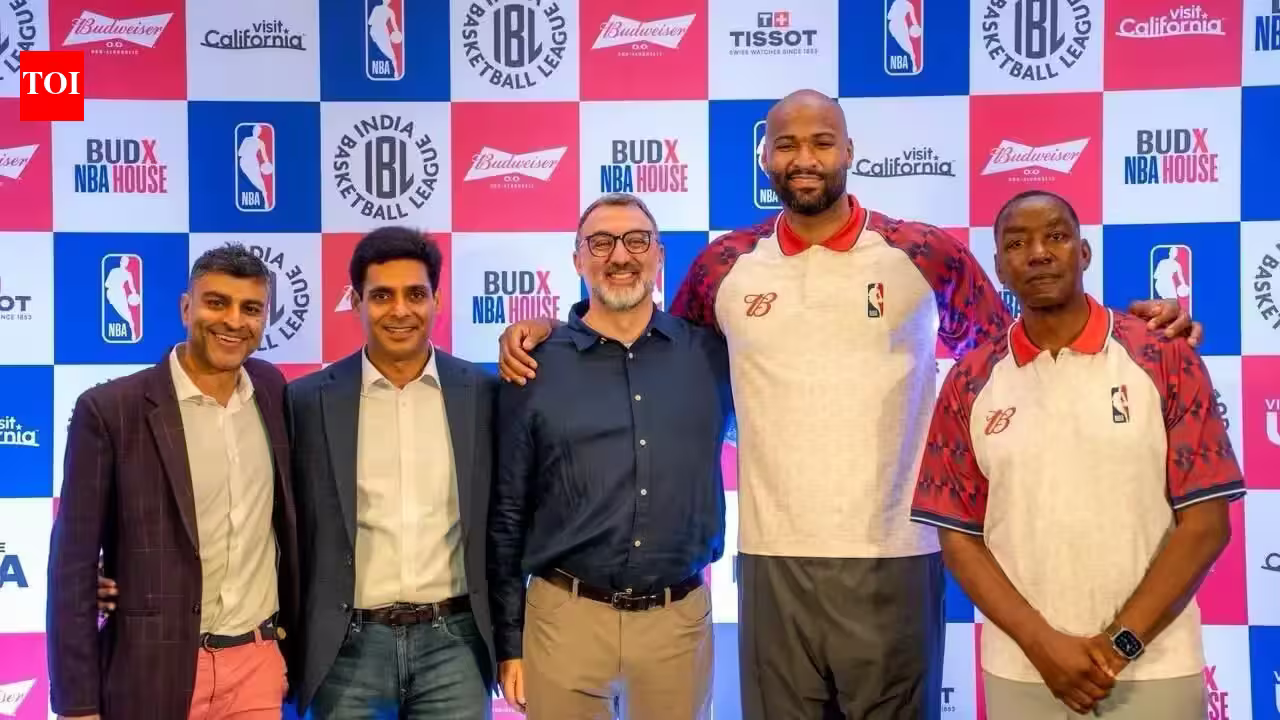
However, the NBA’s leadership seems unfazed by the dominance of cricket. Their strategy is built on the premise that they do not need to replace the domestic sports culture; they simply need to be a part of the consumer’s wider lifestyle. By integrating the BUDX NBA House events—where basketball meets music and celebrity culture—the league is creating a “community-first” approach that transcends the sport itself.
As the NBA marches toward 2027 and the opening of its first physical store, the pieces of the puzzle are rapidly locking into place. The league isn’t just selling a game; it is selling an entry point into a global entertainment powerhouse. Whether this strategy will truly propel the NBA to a billion-dollar valuation in India remains the ultimate test, but one thing is certain: the NBA is no longer a visitor in India—it is settling in to stay.
Disclaimer: This content is auto-generated for informational purposes only.
Source: Read Original News