








The ambulance service said it had a record-breaking day with more than 5,000 calls, with many saying they felt ‘overheated’ or were sunburnt

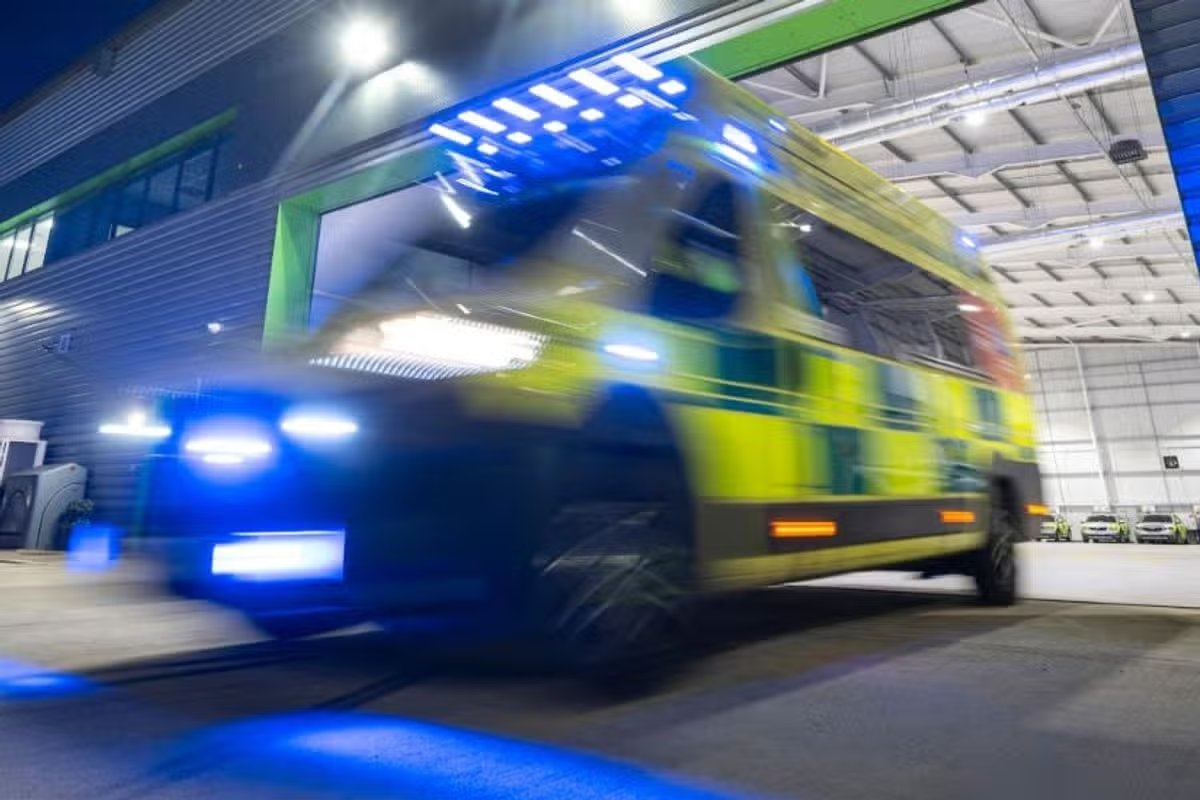
Stock photo of an ambulance.(Image: South Western Ambulance Service NHS Foundation Trust)
The ambulance service in the South West said it received many calls for people complaining about “sunburn” and “feeling overheated” on a record-breaking day which saw more than 5,000 calls to 999.
The South Western Ambulance Service NHS Foundation Trust (SWAFST) said that over 5,200 calls were made to their 999 control rooms on Thursday, June 25, when the UK was amidst a heatwave which saw temperatures reach over 36C.
The ambulance service said it managed more than 4,300 incidents across the South West, with both figures being the highest level of demand ever recorded.
The number of incidents on that Thursday was 390 higher than the previous day and was a 34 percent increase on the normal level of demand expected at this time of the year.
There were “significant increases” in patients requiring help for conditions associated with prolonged periods of hot weather, including falls, breathing difficulties and unconsciousness.
However, the service also received many calls from people with sunburn, people feeling hot and those with mild dehydration after drinking alcohol.
This has caused “exceptional pressure” on emergency services across the region and the director of operations at SWAFST, Pete Brown has urged the public to not call 999 unless it is a serious medical emergency.
Pete Brown said: “We want to be there for everyone that needs us in a life-threatening emergency; to do this, we need to have our ambulances free to respond to those most in need.
“If you call us and we’re not the right service for you, we will direct you to another part of the NHS – please listen to this advice, as it could mean that you get the help you need faster.
“We are receiving many calls for conditions such as sunburn, feeling overheated and mild dehydration due to alcohol intake.
“While these symptoms can feel unpleasant, they can often be managed safely at home or with advice from NHS 111 online or your local pharmacy.
“Every less urgent 999 call reduces our ability to respond quickly to someone whose life may be at risk.
“999 should be used for serious medical emergencies such as cardiac arrest, chest pain, breathing difficulties, suspected stroke, loss of consciousness, choking, severe allergic reactions or catastrophic bleeding.
“We recognise that some patients are waiting longer than we would like, and we are sorry for this.
“Our people are doing everything possible to provide safe care under unprecedented levels of demand.
“Please do not call back to ask when your ambulance will arrive.
“Unfortunately, we are unable to provide estimated arrival times and repeat calls can delay our ability to answer other emergency calls.
“I would like to thank our staff, volunteers and NHS partners across the region for their continued dedication in delivering the best possible care under extremely challenging circumstances.”
The ambulance service is also urging the public to take sensible precautions to stay safe in the heat by:
- Drinking plenty of water and staying hydrated.
- Wearing sunscreen and light, protective clothing.
- Avoiding the sun during the hottest part of the day (11am-3pm).
- Limiting strenuous physical activity during peak temperatures.
- Checking on older relatives, neighbours and anyone who may be more vulnerable to the effects of the heat.