





The Structural Shift in Indian Household Consumption Patterns
The economic landscape of India has undergone a profound transformation in the fiscal year 2024-25. Following the volatile recovery period post-pandemic, national accounts data released by the National Statistical Office (NSO) reveals a decisive transition in private final consumption expenditure (PFCE). While total consumption in real terms grew by approximately 6 percent—a steady pace consistent with the prior fiscal year—the composition of this spending has pivoted significantly toward discretionary categories. This shift serves as a primary indicator of evolving consumer priorities, reflective of increased purchasing power among specific demographic segments and a growing desire for experiential and premium goods.
The data suggests that the Indian consumer is moving away from purely need-based expenditure toward a model defined by lifestyle enhancement. This trend is particularly visible in the resurgence of non-essential sectors that faced stagnation or contraction in the 2023-24 period. As households gain confidence in their financial stability, the allocation of disposable income toward luxury, grooming, and high-end services has accelerated, directly influencing market dynamics and government revenue streams through increased indirect tax collections.
The Resurgence of Discretionary and Luxury Spending
Perhaps the most striking finding in the latest NSO data is the robust rebound in discretionary spending categories. Leading the pack is the expenditure on alcoholic beverages, tobacco, and narcotics, which saw a substantial growth of 22.4 percent, reaching a total of Rs 2.7 lakh crore. This growth rate notably eclipsed that of other major categories, signaling a return to pre-pandemic habits and a willingness to spend on lifestyle-related goods.
Parallel to this, the category covering personal care, social protection, and miscellaneous goods saw a 19 percent surge, rising to Rs 5.3 lakh crore. This category is highly representative of the “premiumisation” phenomenon currently sweeping through the Indian retail market. It includes high-value assets such as fine jewellery, premium watches, and smartwatches, alongside an expanding array of grooming services and personal maintenance items like electric trimmers, high-end deodorants, and professional salon services. The growth in this segment indicates that urban and semi-urban consumers are placing a higher value on personal presentation and status-signaling products. For businesses operating in the retail and lifestyle sectors, this trend provides a clear signal: the Indian consumer is increasingly prioritizing quality and brand identity over basic functional utility.
The Dominance of the Service Economy
The composition of consumption expenditure is increasingly tilting toward the service sector. Services now account for 45.2 percent of total private final consumption expenditure, up from 44.4 percent in the previous year. This expansion is supported by a rising reliance on sophisticated financial products and professional health services. Expenditure on insurance and financial services grew by 10 percent to reach Rs 11.4 lakh crore, while health spending rose by 9 percent to Rs 8.7 lakh crore.
This upward trajectory in service-oriented spending is indicative of a maturing economy. As households integrate deeper into the formal financial ecosystem, the demand for risk mitigation through insurance and wealth management products has grown. Similarly, the rise in health spending, while partly reflective of inflation in medical services, also points to a heightened focus on preventative care and wellness. From a macroeconomic perspective, this shift is significant because services are generally more labor-intensive and contribute differently to the value chain compared to traditional manufacturing, suggesting a structural evolution in the Indian labor market to support these service-heavy demands.
Changing Dietary Habits and the Food Industry
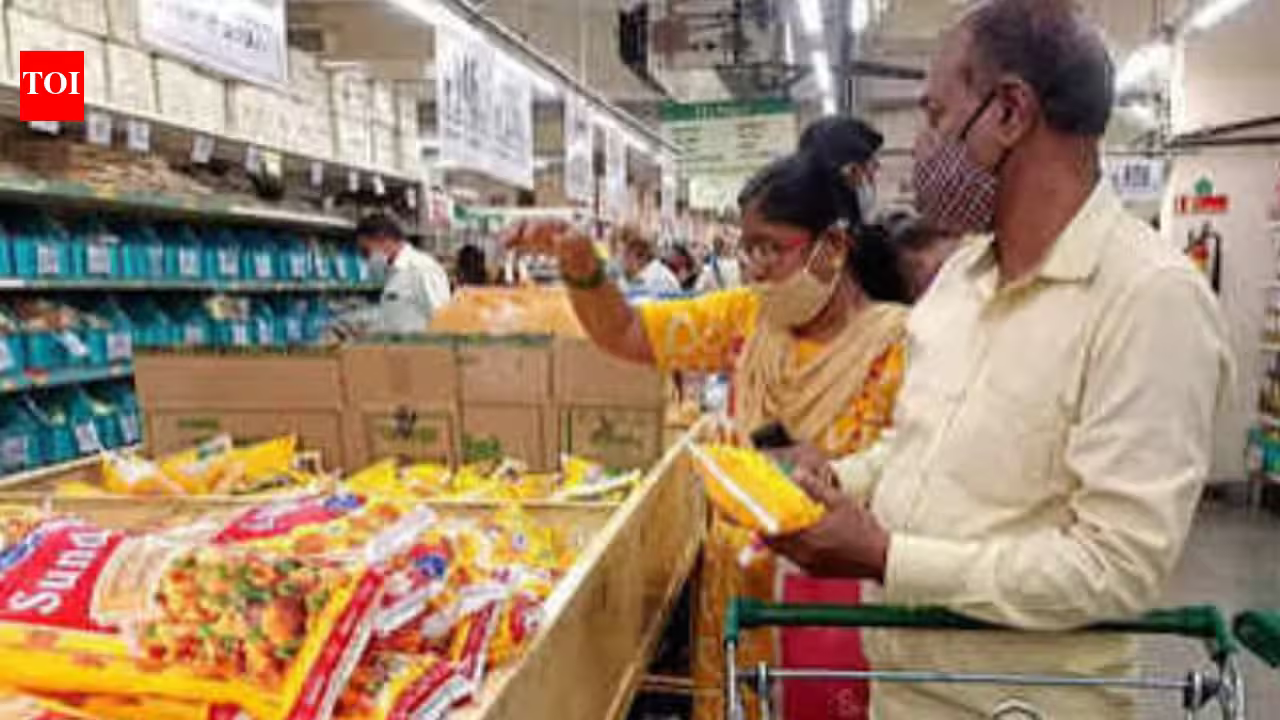
Even within the category of essential expenditure, specifically food, the patterns of consumption are evolving. While overall food spending increased by 4 percent to Rs 45.5 lakh crore, the growth was not uniform. The data shows a clear divergence between traditional staples and value-added food products. Expenditures on sugary items, ready-made meals, and protein-rich foods—such as milk, dairy, and seafood—grew at rates significantly higher than those for cereals, fruits, and vegetables.
Most notably, spending on non-alcoholic beverages, including soft drinks, bottled water, and juices, surged by 25 percent. This indicates that convenience and brand-led consumption are beginning to supersede traditional home-cooked meal patterns. The rise in ready-made food consumption is a direct consequence of shifting urban lifestyles, characterized by time constraints and the demand for instant gratification. For the FMCG sector in India, this necessitates a strategic pivot toward processed, convenient, and value-added food items. Companies that can bridge the gap between nutritional value and the demand for convenience are likely to capture the largest share of this expanding wallet.
Implications for Economic Policy and Business Strategy
The transition toward discretionary and premium consumption holds vital implications for policymakers and corporate entities alike. For the government, the shift toward taxed discretionary items, such as luxury goods and processed beverages, serves as a steady engine for fiscal health. Increased household spending in these categories typically translates into higher Goods and Services Tax (GST) collections, providing the government with the necessary fiscal space to fund infrastructure and welfare initiatives.
For the private sector, the data necessitates a shift in business strategy. Companies can no longer rely on a “one size fits all” approach to the Indian market. The rise in premiumisation demands higher quality standards, better brand storytelling, and a more sophisticated retail footprint. Businesses must align their supply chains to accommodate the demand for specialized services and high-margin goods. Furthermore, the reliance on the service sector suggests that firms in insurance, finance, and wellness will continue to see strong demand tailwinds.
However, investors and strategists should also monitor the potential risks associated with this trend. While discretionary spending is high, it remains sensitive to fluctuations in disposable income and overall economic confidence. The sustainability of this growth depends on the continued formalization of the economy and the expansion of the middle-class base. As Indian households shift from being “need-based” to “want-based” consumers, the companies that succeed will be those that effectively capture the growing demand for convenience, status, and experience. By aligning with these core consumption shifts, businesses can capitalize on what appears to be a long-term structural change in the Indian economic fabric.
Disclaimer: This content is auto-generated for informational purposes only.
Source: Read Original News