






The ‘Dark’ Gambit: How Oil Tankers Are Navigating the High-Stakes Siege of the Strait of Hormuz
DUBAI — The Greek-owned supertanker Kiku is a vessel of extremes. Stretching over 1,000 feet, the Very Large Crude Carrier is a behemoth of the high seas. Yet, on July 31, it became a ghost.
Shortly after 2 p.m. off the coast of Dubai, the Kiku abruptly vanished from global maritime radar. By switching off its Automatic Identification System (AIS) transponder, the ship effectively disappeared from the view of international shipping monitors. It was not a mechanical failure, but a calculated tactical move: the Kiku had gone “dark.”
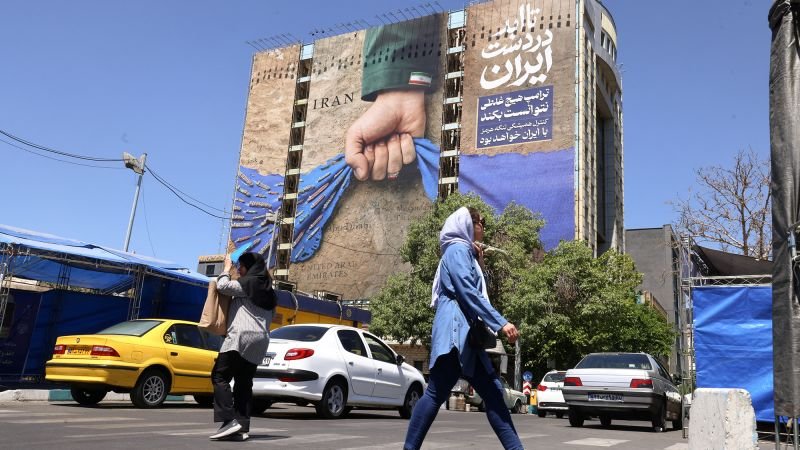
This high-stakes maneuver is the oil industry’s latest response to the volatile conflict in the Middle East. With the Strait of Hormuz—the world’s most critical maritime oil chokepoint—becoming an active war zone, energy producers are increasingly relying on clandestine, US-escorted nighttime transits to bypass Iranian threats, including recent drone attacks.
A Dangerous Game of Cat and Mouse
The strategy, supported by the US Navy, involves shipping crude out of the Persian Gulf under the cover of darkness. Once clear of the 23-mile-wide strait, these tankers meet up with client vessels in the Gulf of Oman to conduct ship-to-ship transfers. This allows the primary tankers to return to port, while the cargo continues to energy-hungry markets in China, South Korea, Thailand, and beyond.
This workaround shifts the heavy burden of insurance risk and the physical peril of military strikes from private commercial shippers to the oil-producing nations and the United States government. According to data from the US Department of Energy, this strategy has been surprisingly effective, keeping average oil flows through the strait between 8 million and 9 million barrels per day—nearly double what traditional tracking services had estimated.
However, the margin for error is razor-thin. "The strait is famously narrow," notes an industry expert. "There aren’t many places to hide." Despite the evasive tactics, the risk remains tangible; two UAE-flagged vessels were struck just this week, serving as a grim reminder of the dangers involved in this geopolitical maritime struggle.
An Inflection Point for Global Energy
The persistence of these "dark" transits reflects a global energy market pushed to its absolute limits. For six months, the regional war has disrupted roughly a fifth of the world’s oil supply. Commercial stockpiles are vanishing, and US emergency reserves have dwindled to levels not seen since the early 1980s.
As the conflict stretches on, the global supply chain is showing signs of severe fatigue. A convergence of crises—damaged refineries in the Middle East, Russian refining capacity crippled by the war with Ukraine, and a reticence by China to export its own refined fuel—has left US refineries along the Gulf Coast shouldering the weight of global demand. The result has been a surge in prices for diesel and jet fuel that far exceeds the historical correlations with crude oil prices.
The New Economic Reality
The Biden administration, which previously favored diplomatic "jawboning" to keep prices low, has shifted its stance. The current US strategy now centers on a "crushing economic operation" against Iran, including a prolonged naval blockade of its ports. This hardening of policy has pushed oil prices steadily toward the $100-a-barrel threshold.
For now, the "dark" transit gamble serves as a temporary, if expensive, floor for the global economy. It is a testament to the market’s flexibility in the face of disaster, yet it remains a stopgap measure. As global inventories continue to decline, the world faces an increasingly stark choice: either a negotiated end to the conflict or a future where the only way to meet energy demand is through significantly higher prices that choke off consumption.
Until then, the ghost ships of Hormuz will continue their nightly journeys, silently carrying the fuel that powers the global economy through the most dangerous waters on earth.