







Nepali-Australian Community Rallies in Grief as Death Toll in Flood Disaster Mounts
SYDNEY — The Australian-Nepali community is bracing for a period of national mourning as the catastrophic death toll from the Nepal-Tibet flash floods continues to climb, leaving families across Australia in a state of desperate uncertainty.
As of Friday, Nepalese authorities confirmed the death toll has surged to 469. With more than 1,300 individuals still listed as missing following the torrential floods and landslides that decimated the Bhotekoshi and Trishuli river basins on Wednesday, hope is beginning to fade for many families waiting for word from loved ones.
In Australia, the humanitarian response is rapidly mobilizing. Foreign Affairs Minister Penny Wong confirmed Friday morning that the number of Australians officially listed as missing has risen to 39. To bolster recovery efforts, the Australian government has pledged a $5 million support package, with Minister Wong encouraging citizens wishing to assist to donate via the Emergency Action Alliance website.
A Community in Agony
For the diaspora, the lack of communication is the most painful element of the unfolding tragedy. With power grids destroyed and telecommunications networks down in the worst-hit regions, many Australians remain in the dark about the fate of their families.
Melbourne student Rakshya Pandey, whose family home and businesses in the Nuwakot district were destroyed, described the psychological toll of the disaster. Her father, who sustained injuries after being struck by debris, is currently hospitalized in Kathmandu.
“Whenever I see the details of the people missing or the flood, it’s just so scary,” Pandey said. “I feel so helpless.”
Similar stories of heartbreak are echoing across the country. Canberra resident Ashok Bahadur Dhungel has spent the last 48 hours in a frantic search for his nephew, an employee at the now-devastated Upper Trishuli hydropower plant. While Mr. Dhungel received word that his mother survived the flooding in Nuwakot, ongoing power outages have prevented him from speaking to her directly. “She is everything to me,” he said.
Solidarity and Support
Community organizations have been quick to provide a sanctuary for those grieving. The Australian Nepalese Multicultural Centre (ANMC) in Melbourne has extended its opening hours to provide pastoral support from faith leaders.
Dr. Tilak Pokhrel, president of the ANMC, said the community is preparing for a series of vigils to coincide with the official day of mourning declared by the Nepali government. “We want to have an event where we all can gather and show our solidarity,” Dr. Pokhrel said. “Let’s work together, let’s pray together, and let’s go through this pain together.”
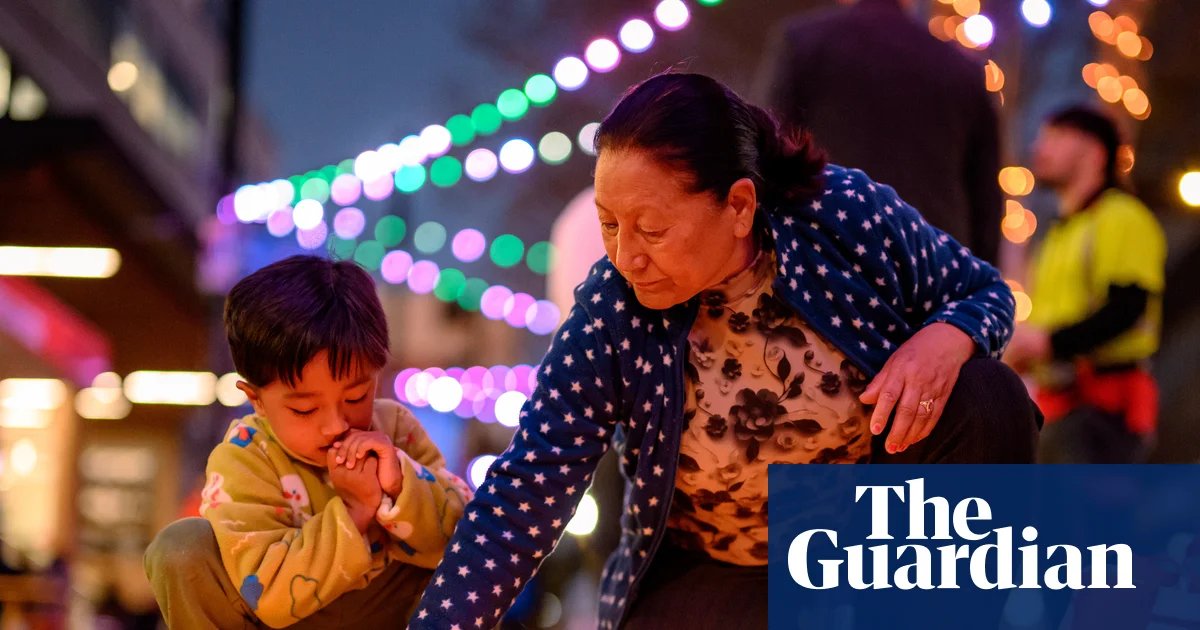
In Sydney, the Non-Resident Nepali Association (NRNA) is organizing a candlelight vigil for Saturday evening. Meanwhile, the Nepalese Welfare Society has launched a GoFundMe campaign to funnel financial aid directly into the Nepali prime minister’s natural disaster relief fund.
The Tibetan community in Australia has also expressed deep solidarity, with the Australia Tibet Council planning prayer events to honor the victims.
As the search for the missing continues, community leaders emphasize that the road to recovery will be long. For now, the focus remains on supporting those locally who are navigating the profound trauma of losing homes, livelihoods, and, for many, their closest family members.