







Harvard Professor Calls for Radical Overhaul of Indian Management Education
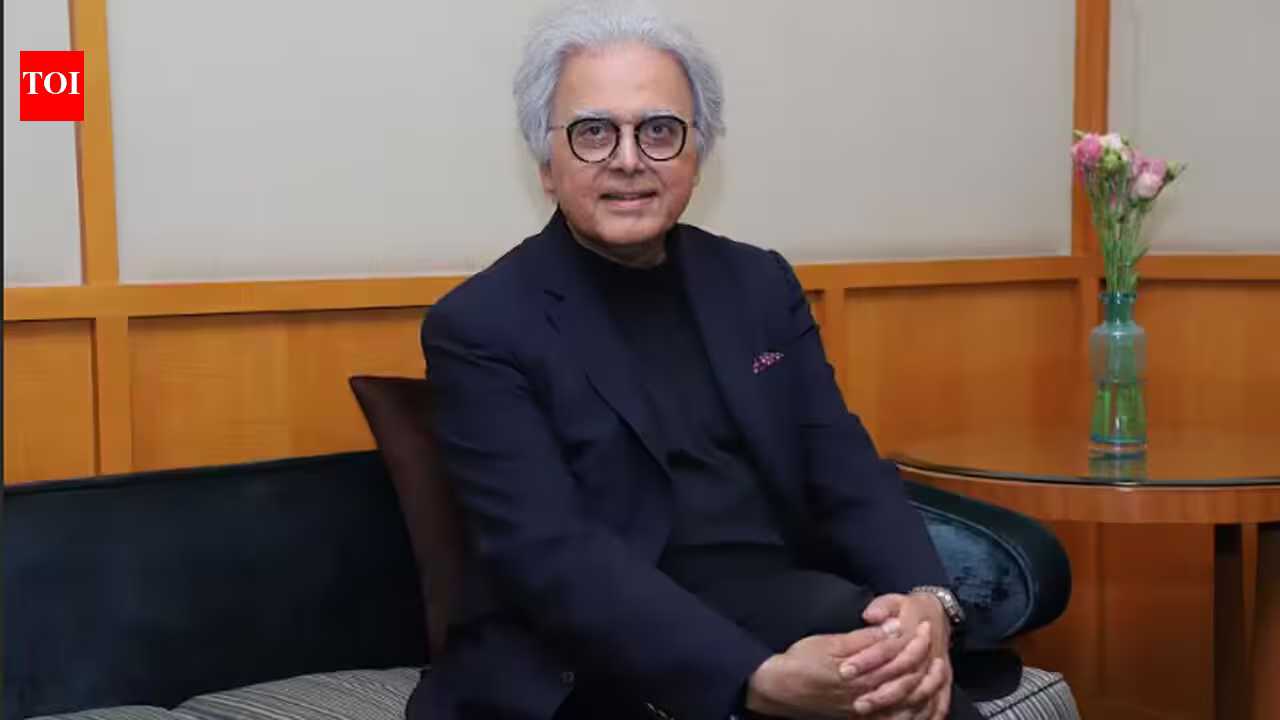
As the global workforce navigates the transformative wave of artificial intelligence and shifting economic paradigms, leading management educators are questioning whether traditional business school models are losing their relevance. During a recent visit to Mumbai, Harvard Business School (HBS) professor Rohit Deshpande challenged Indian B-schools to pivot toward a more student-centric approach and to aggressively localize their curriculum.
Breaking the “Fourth Wall” of the Classroom
Professor Deshpande, who recently led a workshop for doctoral students hosted by the HBS India Research Center, argues that management education worldwide has been hampered by a rigid, lecture-heavy tradition.
“We need to take the emphasis away from teachers and put the emphasis on students,” Deshpande stated. Advocating for what he calls “participant-centered learning,” he suggests that educators must break down the metaphorical “fourth wall”—the traditional barrier between the instructor and the learner. According to Deshpande, while faculty members often find this transition difficult because they themselves were trained in the lecture model, it is essential for fostering real engagement in the modern era.
The Case for “Made in India” Content
A significant portion of the discourse focused on the over-reliance on imported frameworks. Currently, an estimated 80% of case studies used globally originate from Harvard, often leading to a disconnect between classroom theory and local realities.
Deshpande highlighted that while the English-language dominance in India makes it a natural market for international materials, there is a pressing need for more indigenous case studies. “What is the point of teaching something that is happening with some large firm in the US? Relevance becomes an issue,” he noted.
He pointed to his own work—specifically his case study on the bravery of the staff at the Taj Mahal Palace Hotel during the 2008 attacks—as a template. By documenting the “ordinary heroes” of the Taj, Deshpande not only provided a local lesson in leadership but also served as a cultural bridge for international students. However, he admitted that structural barriers remain: academia’s current incentive systems prioritize research in technical journals over the time-intensive creation of localized teaching materials.
Thriving in an AI-Driven Economy
Addressing the elephant in the room—artificial intelligence—Deshpande emphasized that the future of the MBA graduate lies in creativity rather than rote analysis. As AI begins to handle routine reporting and data-heavy decision support, the human edge will be defined by an individual’s ability to handle tasks that large language models cannot replicate.
“We need to go more in the direction of freeing the human spirit,” said Deshpande, citing his course on the “Business of Art” as a way to engage with values that transcend algorithmic logic.
To prepare for this reality, HBS has already integrated major changes into its own pedagogy. The institution has introduced a mandatory first-year course, Decision Science and AI for Leadership (DSAIL), and is weaving AI ethics into existing modules. The goal, Deshpande says, is to move graduates from being “AI-naive” to “AI-native,” ensuring they can wield technology to amplify, rather than replace, human judgment.
As management education continues to evolve, the challenge for Indian institutions will be to balance global standards with the rich, untapped potential of the domestic economy, ensuring that tomorrow’s leaders are both technologically adept and culturally grounded.