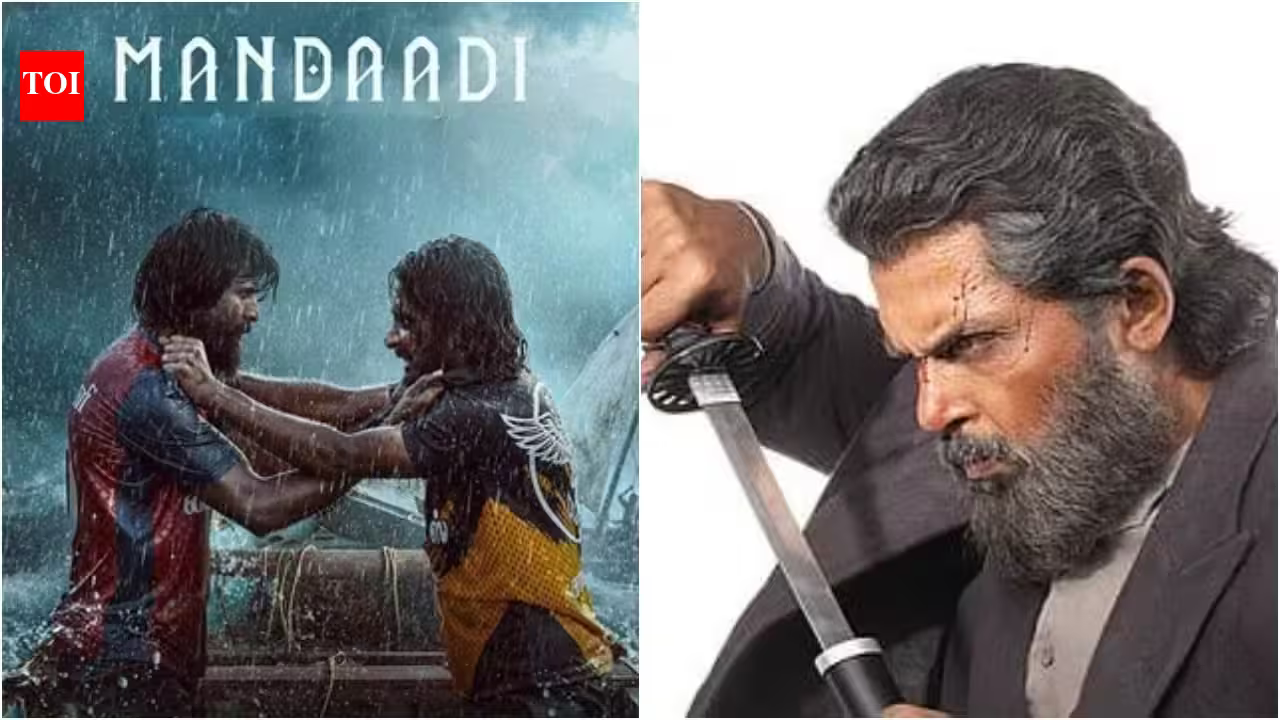






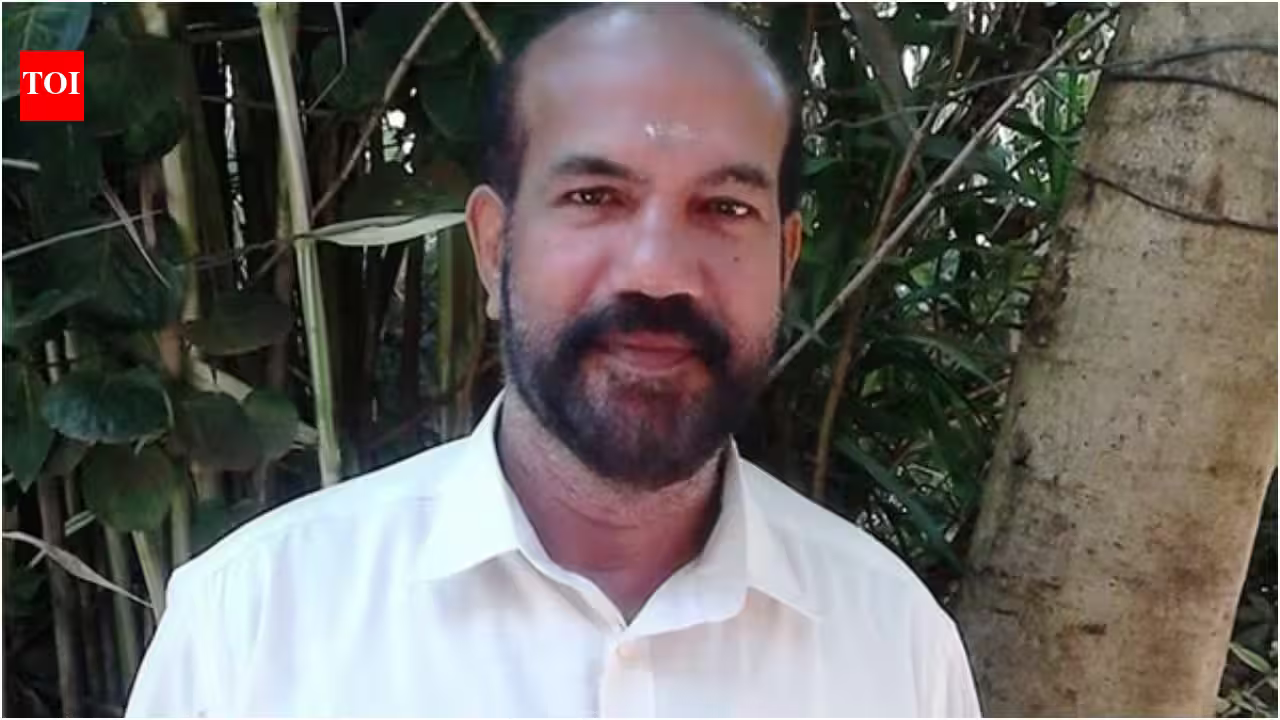


The screen often demands a certain hardness from Vinod Kozhikode. As a fixture in the Malayalam film industry, he has carved out a career playing the antagonist—the man with the cold stare, the villain who instills dread, or the hardened supporting character who blends into the rougher edges of Kerala’s cinematic landscape. But in a recent, deeply vulnerable interview with Movie World Media, the man known for his on-screen menace shed that armor to reveal the profound, agonizing grief of a husband left behind.
In a conversation that has since resonated across social media, Kozhikode opened up about the morning his world shifted on its axis. It is a raw account of a life lived by routine suddenly colliding with the abrupt finality of death. For an actor who has spent decades navigating the complexities of scripted tragedy, the reality of his own loss proved to be a narrative for which no rehearsal could have prepared him.
The Morning Routine That Changed Everything
For Vinod Kozhikode, structure was the rhythm of his life. He is a creature of discipline, waking at 5:00 AM every single day to head out for his morning walk by 5:15 AM. It was a pattern that had served him for years—a quiet, predictable start to the day. But that particular morning, the air felt different.
As he prepared to step out of his home, a subtle shift in the atmosphere caught his attention. He noticed his wife’s breathing. It wasn’t the rhythmic sound of a peaceful slumber; it was labored, off-kilter, and wrong. In an instant, his morning routine vanished. He found her already fading, the life escaping her as he stood there, helpless.
“I am someone who wakes up at 5 every morning… that morning, after waking up and finishing my morning routine, when I was stepping outside, I felt that she wasn’t breathing normally,” he recounted, his voice heavy with the memory. He scrambled to call neighbors, desperate for a reprieve that would not come. They rushed her to the hospital, and the medical staff fought for her, but within an hour, the battle was over. The villain of the silver screen was left facing the only adversary he couldn’t fight: mortality.
A Legacy of Love and the Burden of Witnessing
There is a cultural expectation that being present for a loved one’s final moments is a form of closure, a “blessing” of sorts. Kozhikode rejects this romanticized notion entirely. To him, the act of witnessing his wife’s death was not a serene conclusion, but a searing trauma.
“I don’t think being a witness to your wife’s death is a blessing,” he said plainly. “Because I had always wished that I would go first and my wife would be there.”
It is a sentiment that cuts to the core of the marital bond. Many partners live with the quiet, selfish prayer that they will be the one to exit the stage first, sparing themselves the hollow echoing of an empty house. For Kozhikode, the realization of his worst fear—that he would be the one to remain—felt like a cruel twist of fate. He acknowledged that had he been away on a shoot in a place like Rajasthan, he might have been two days removed from the tragedy, but he realized that his presence in those final moments was perhaps the only dignity he could offer, however painful it remains.
The Frequency of Connection
The interview shed light on a man who was deeply aware of the fragility of time long before that morning. Kozhikode revealed that he made it a habit to call his wife constantly whenever he was away for work. It was a compulsion of sorts, a need for reassurance.
Sometimes, she would playfully tease him about his frequent calls, wondering why he felt the need to check in so often when she wasn’t going anywhere. “I would tell her that it wasn’t about that,” he explained, “but that I needed to know whether she was okay there.”
It is a poignant detail—the actor, who spent his career playing men who were often unpredictable or dangerous, was at his core a man tethered by simple, daily communication. His calls weren’t about control; they were about keeping the thread of his life connected to his home. Now, that phone remains silent, a testament to the brevity of those daily check-ins he once took for granted.
Navigating the Solitude of Grief
Beyond the specifics of his wife’s passing, Kozhikode offered a somber, philosophical take on the nature of mourning. Having played countless scenes of loss, he understands that the reality of grief is far more isolating than any script suggests. He maintains a firm belief that true comfort is an impossibility—no matter how many people offer condolences, the weight of the loss remains solely on the survivor’s shoulders.
“Comfort is something that no one can give to another person,” he noted. “We can only say some comforting words. What they have to experience, they have to experience themselves.”
In an era where people often rush to provide “solutions” to grief or urge others to “be strong,” Kozhikode’s advice is startlingly human: let the tears fall. He believes that crying is not a sign of weakness, but a vital mechanism for survival. “The person who needs to cry should sit and cry. Only by crying can the sadness inside come out.”
A Career Shaped by Strength and Vulnerability
Vinod Kozhikode’s filmography—spanning from the 1991 classic Godfather to the intense, gritty atmosphere of Lijo Jose Pellissery’s Jallikattu—is a testament to his versatility. He has thrived in the shadows of the industry, often embodying the darker facets of human nature. Yet, seeing him now, stripped of the character makeup and the dramatic lighting, we see the man behind the villain.
His journey, both as an actor who has survived the shifting tides of Malayalam cinema and as a widower navigating the quietude of a house without his wife, is a sobering reminder of the humanity we all share. He remains a professional, still committed to his craft, but the lens through which he views the world has irrevocably changed. In his grief, there is a strange, quiet courage—the courage to speak openly about the pain that most choose to hide behind a mask.
Disclaimer: This content is auto-generated for informational purposes only.
Source: Read Original News