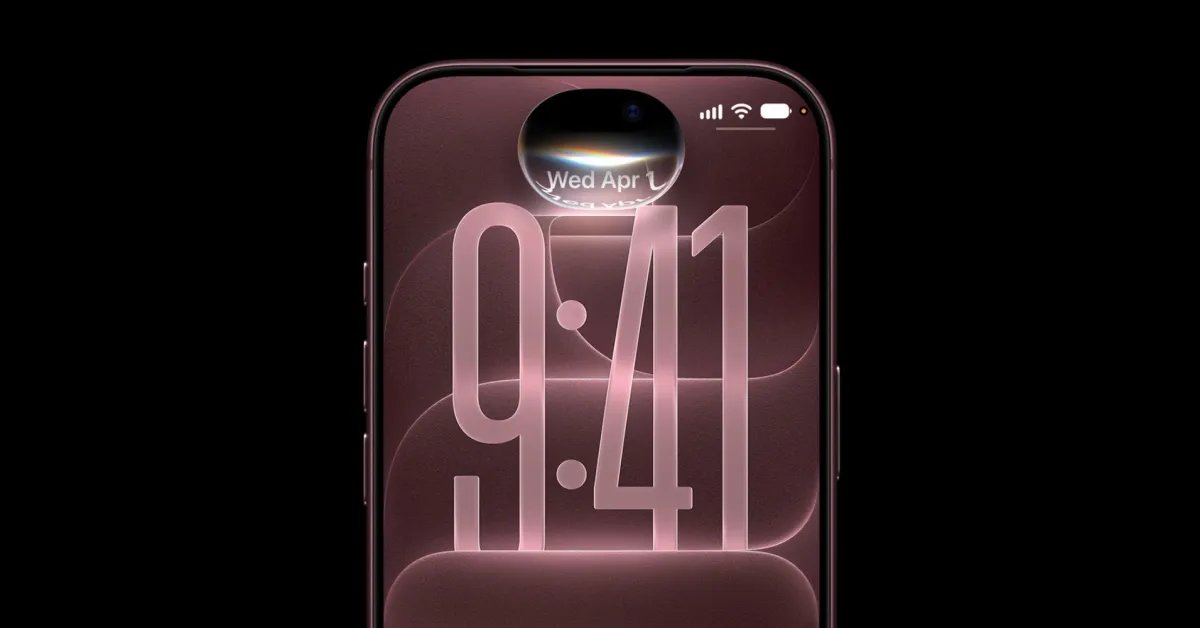









The release of the iPhone 18 Pro has brought significant hardware changes to the forefront, particularly regarding the camera system and thermal management architecture. The recent teardown conducted by iFixit provides a detailed look at these internal refinements, while simultaneously highlighting persistent challenges for third-party repairs. By exposing the mechanical complexities of the new components, the teardown clarifies both the engineering achievements of the A20 Pro platform and the practical hurdles technicians may face when servicing these devices.
The Complexity of the Variable Aperture Mechanism
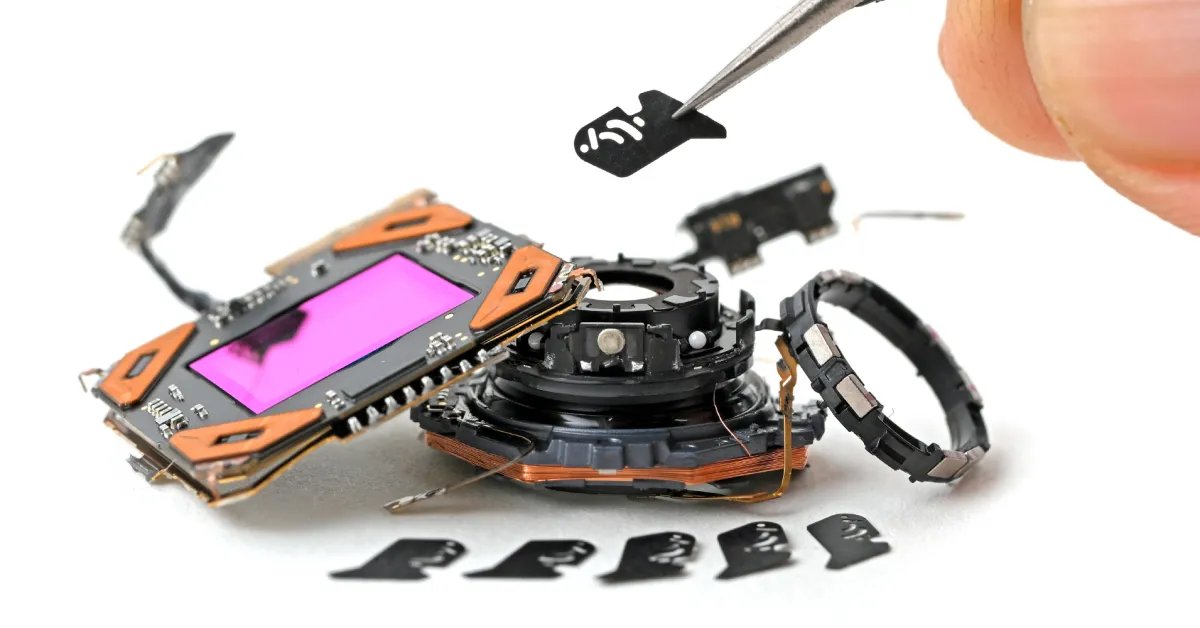
The standout feature of the iPhone 18 Pro is the integration of a variable aperture system in the main camera module. Unlike fixed-aperture lenses common in mobile photography, this mechanism utilizes six miniature blades that adjust mechanically to control light entry. iFixit’s analysis confirms that these blades are driven by electromagnets, operating on a principle similar to optical image stabilization but requiring distinct control logic.
The precision of these components is extreme. During the teardown process, the mechanical fragility was highlighted when one of the tiny blades became dislodged from the lens stack. This event serves as a warning for repair shops and DIY enthusiasts: the aperture assembly is not designed for individual component replacement. If the system fails or becomes obstructed, the entire camera unit will likely require a full replacement, as servicing the delicate blade mechanism in a non-cleanroom environment is functionally impossible.
Under-Display Sensor Innovations
Another significant architectural change is the transition of the infrared (IR) camera for Face ID to a position beneath the OLED display. To facilitate this, Apple has employed a pixel-removal strategy, where alternating rows of pixels are omitted above the sensor to permit IR light to reach the hardware.
Microscopic inspection reveals the presence of an IR-pass filter beneath the display layer, designed to exclude visible light while capturing infrared data. However, iFixit noted a technical anomaly termed an “eclipse effect.” Because the filter coverage does not extend uniformly to the very edge of the sensor opening, visual artifacts can appear under specific lighting conditions or when viewed through specialized microscopy. This indicates that while the technology successfully hides the hardware from the user, the integration between display and sensor remains an area of high engineering intensity.
Enhanced Thermal Management Architecture
The iPhone 18 Pro features a substantial redesign of its cooling systems to support the high performance of the A20 Pro chip. The new architecture centers on a large vapor chamber designed to dissipate heat more efficiently. According to design specifications provided by Apple, this chamber offers three times the surface area of the previous generation.
The teardown reveals that the thermal improvement is not merely due to the larger chamber but also a reconfiguration of the main logic board. The A20 Pro silicon die is now placed side-by-side with the memory modules rather than stacked vertically. This layout removes the memory from the primary thermal path, allowing the chip to make direct contact with the vapor chamber through a high-efficiency thermal interface material. This development allows for sustained peak performance during intensive tasks, though it also means the logic board assembly is more tightly coupled with the chassis’s thermal dissipation structure.
Concerns Over Display Frame Integrity
Despite the advancements in performance and optics, the teardown highlighted a recurring issue regarding structural integrity during disassembly. iFixit observed that the plastic frame surrounding the display was damaged on three out of four units opened. Although this frame has been used since the iPhone 15 Pro, the increased thermal resistance and adhesive strength of the 18 Pro appear to make the display removal process more perilous.
The increased efficacy of the device’s cooling system may actually exacerbate this problem; as technicians use heating pads to soften the display adhesive, the internal vapor chamber may draw that heat away from the bond, requiring higher temperatures to achieve the same result. A damaged display frame not only complicates reassembly but also compromises the water-resistance seals that protect the internal electronics. Consequently, screen replacements for the iPhone 18 Pro may carry a higher risk profile than those of previous iterations.
Repairability and Future Outlook
The iPhone 18 Pro maintains a mix of user-friendly design and proprietary barriers. On the positive side, the inclusion of a glue-free battery tray and modular camera assemblies remains a benefit for professional technicians. These features allow for faster battery swaps and streamlined parts replacement when the assembly process is straightforward. Conversely, the USB-C port remains buried deep within the device architecture, requiring a near-total teardown of the phone’s internal components to access, which significantly discourages DIY repair.
iFixit has issued a provisional repairability score of 7 out of 10. This rating reflects the balance between modular, replaceable parts and the extreme delicacy of newer systems like the variable aperture and the display frame. As the industry monitors whether the frame damage reported in early teardowns is a systemic manufacturing concern or a result of new, more aggressive adhesives, the overall assessment of the device’s longevity and serviceability remains subject to further investigation. The iPhone 18 Pro stands as a testament to advanced hardware miniaturization, though it reinforces the reality that increased performance often comes at the cost of accessibility for manual repair.
Disclaimer: This content is auto-generated for informational purposes only.
Source: Read Original News