








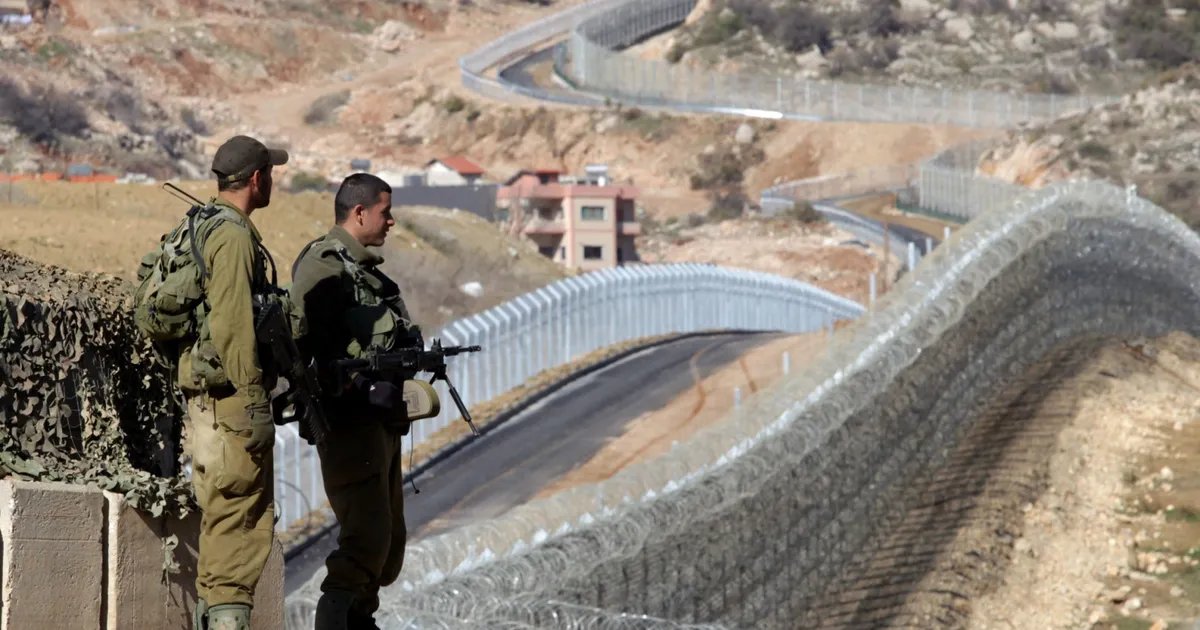
JERUSALEM — Tensions across the Middle East reached a fever pitch early Thursday as local reports and international observers confirmed a series of significant military strikes targeting sensitive sites within the region. The escalation, characterized by precision bombardments, has sent shockwaves through global markets and prompted urgent diplomatic consultations among world powers.
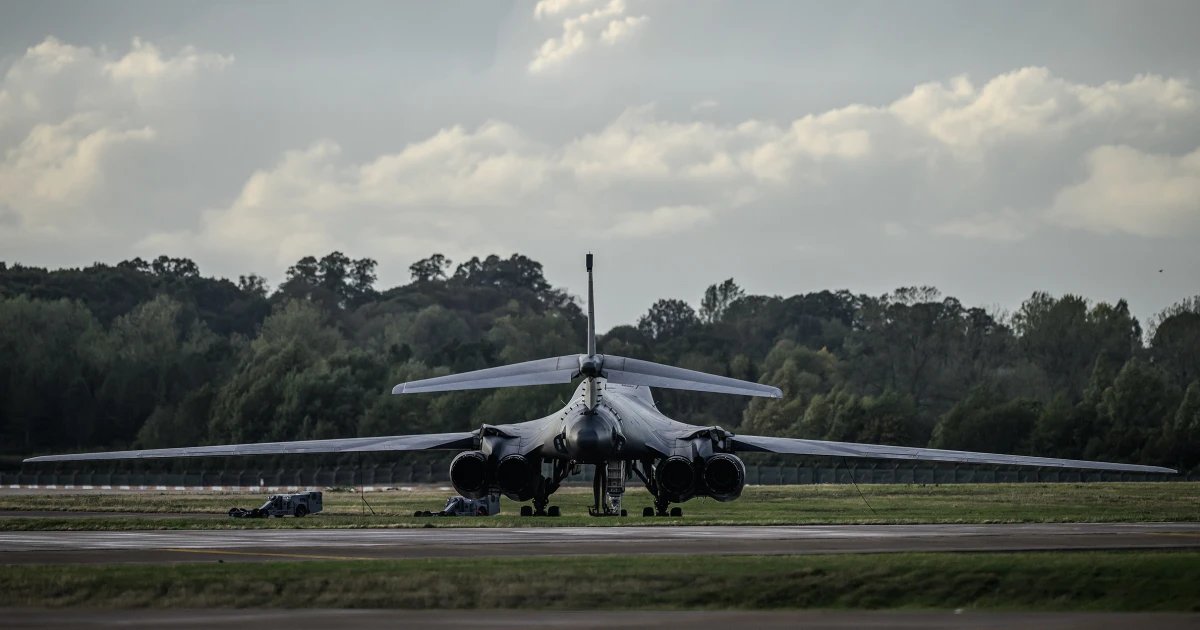
The strikes, which took place under the cover of darkness, focused on strategic installations that have long been at the center of ongoing geopolitical friction. While official military spokespeople for the involved nations have remained tight-lipped regarding the specific tactical objectives, sources on the ground described a coordinated effort involving both aerial assets and advanced munitions. Residents in the vicinity of the affected zones reported massive explosions that lit up the night sky, followed by a thick plume of smoke that remained visible as the sun rose over the horizon.
In the immediate aftermath, the regional fallout was instantaneous. Airspace in several territories was closed to commercial traffic as authorities moved to secure the region, leading to the diversion of international flights and a cascading effect on global logistics. Emergency sirens wailed in multiple population centers, triggering immediate evacuation orders and sending civilians into shelters as a precautionary measure against retaliatory fire.
“This represents a dangerous pivot in an already volatile theater of operations,” said Dr. Alon Ben-Zvi, a senior regional security analyst. “We are no longer discussing proxy skirmishes or limited engagements. The scale and nature of these strikes suggest a deliberate attempt to degrade defensive capabilities and signal a new threshold of confrontation.”
International reactions were swift. The United Nations Security Council has scheduled an emergency session for later today to address the rapidly deteriorating situation. Global leaders have issued a chorus of calls for immediate de-escalation, urging all sides to exercise restraint to prevent a broader conflagration that could draw in neighboring nations. In Washington and Brussels, intelligence agencies are working around the clock to assess the full extent of the damage and determine the likely trajectory of the conflict.
The financial markets reacted with predictable volatility. Oil prices spiked sharply in early morning trading as investors braced for potential disruptions to energy supplies in the Gulf. Meanwhile, safe-haven assets, including gold and government bonds, saw a surge in demand as global capital sought shelter from the deepening geopolitical instability.
As of Thursday afternoon, the situation on the ground remains highly fluid. Communication channels between the involved parties are reportedly strained, with little prospect of an immediate ceasefire. For the millions of civilians caught in the crossfire, the primary concern remains the threat of further strikes and the uncertainty of what the next twenty-four hours will bring. World leaders remain locked in high-stakes negotiations, hoping to pull the region back from the brink of a full-scale war.
Disclaimer: This content is auto-generated for informational purposes only.
Source: Read Original News