







Every spring, an astonishing phenomenon unfolds as billions of flies embark on extensive migratory journeys, spanning thousands of miles across the globe. These aerial voyages form an intricate, global network, with some starting their lives in regions like Iran before continuing their existence in the United Kingdom. Similarly, many may hatch in India, only to undertake seasonal migrations to the bountiful areas of Mongolia, China, and Siberia, demonstrating an incredible resilience and adaptability in their life cycles.
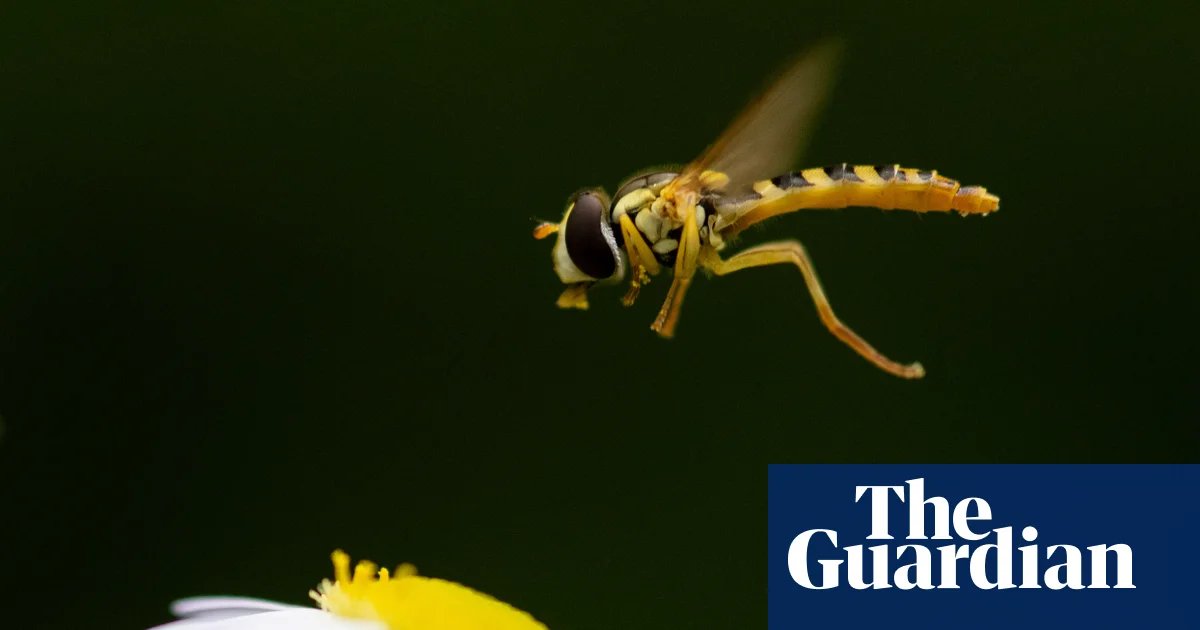
A common misconception is that bees are the sole orchestrators of pollination. However, a closer examination of the creatures bustling in our gardens and public spaces reveals a surprising truth: many of these apparent “bees” are, in fact, not bees at all. They distinguish themselves through their unique flight patterns, distinct auditory cues, and upon more detailed inspection, subtle differences in their physical appearance. These often turn out to be bee-mimicking hoverflies, representing one of the 108 families of flies documented in the British Isles. Recent, thorough research has unveiled that over half of these families harbor species actively involved in pollination. Even the much-maligned biting midges (Ceratopogonidae), frequently associated with nuisance rather than benefit, possess species that are crucial pollinators. It is these very midges, for instance, that pollinate the cacao plant, from which our beloved chocolate is derived, a fact that might elevate their standing in public perception.
While the charismatic adult hoverflies are undoubtedly vital for pollination, their larval stages also fulfill critical ecological roles. Though largely unseen and often camouflaged – with some even mimicking bird droppings – these larvae are diligently engaged in recycling organic waste or preying on species that pose a threat to our flowers and agricultural crops. This intricate involvement throughout their entire life cycle truly underscores the profound ecological importance of flies. Despite the prevailing negative stereotype of flies as vectors of disease and lovers of filth – an unfortunate truth for a minuscule fraction of species – it is crucial to adopt a more balanced perspective. Just as we do not condemn all mammals for the destructive actions of a single species (humans), it is time to extend a similar consideration to the vast majority of fly species, allowing them the respect they deserve for their contributions to the environment.
Consider the “punk flies” (Tachinidae), whose name is a nod to their distinctive appearance. Their larvae are prodigious consumers of pests that inflict damage upon our landscapes. A prime example is the oak processionary moth (Thaumetopoea processionea), an invasive species that arrived in 2006. Its caterpillars rapidly became a significant nuisance, defoliating oak trees. Furthermore, their needle-thin defensive hairs can easily detach and become airborne, leading to skin rashes, conjunctivitis, and in severe instances, anaphylaxis in humans. Fortunately, the larvae of punk flies relish these destructive caterpillars, offering a natural solution to this ecological problem.
This beneficial predatory behavior is not an isolated incident. In the United States, fire ants, inadvertently introduced from South America, have thrived in the absence of their natural predators, causing widespread disruption to native ecosystems and posing health risks to humans due to their toxic venom. In response, a species of ant-decapitating Phoridae fly, a natural predator of fire ants, has been strategically introduced and deployed with considerable success. These Phoridae flies exhibit remarkable species specificity, ensuring that native ant populations remain unharmed. It is worth noting that both the Phoridae and punk fly families boast some truly extraordinary-looking species. The former includes rotund, hairy species that resemble tiny, flying hedgehogs, while a particular punk fly species was famously named after Arnold Schwarzenegger due to its unusually bulging legs, albeit at a mere third of a millimeter in length.
The aesthetic appeal extends to the bee flies (Bombyliidae) as well. It is rare to encounter someone who, upon first observing one of the more hirsute species, doesn’t express a small gasp of delight. Similar to their hoverfly counterparts, adult bee flies play a vital role in pollinating flowers, while their larvae feed on other immature insects. Before labeling them as parasites, it is important to recognize their intrinsic role within the intricate food web. Their presence is often an indicator of a healthy host population and a well-balanced ecosystem.
Flies exhibit an astonishing diversity in appearance, from hairy and metallic forms to those with stalked eyes, paddled legs, or even entirely absent wings. Each variation merits deeper consideration and appreciation. Without their multifaceted contributions, our world would undoubtedly be a much duller, and undeniably smellier, place.