









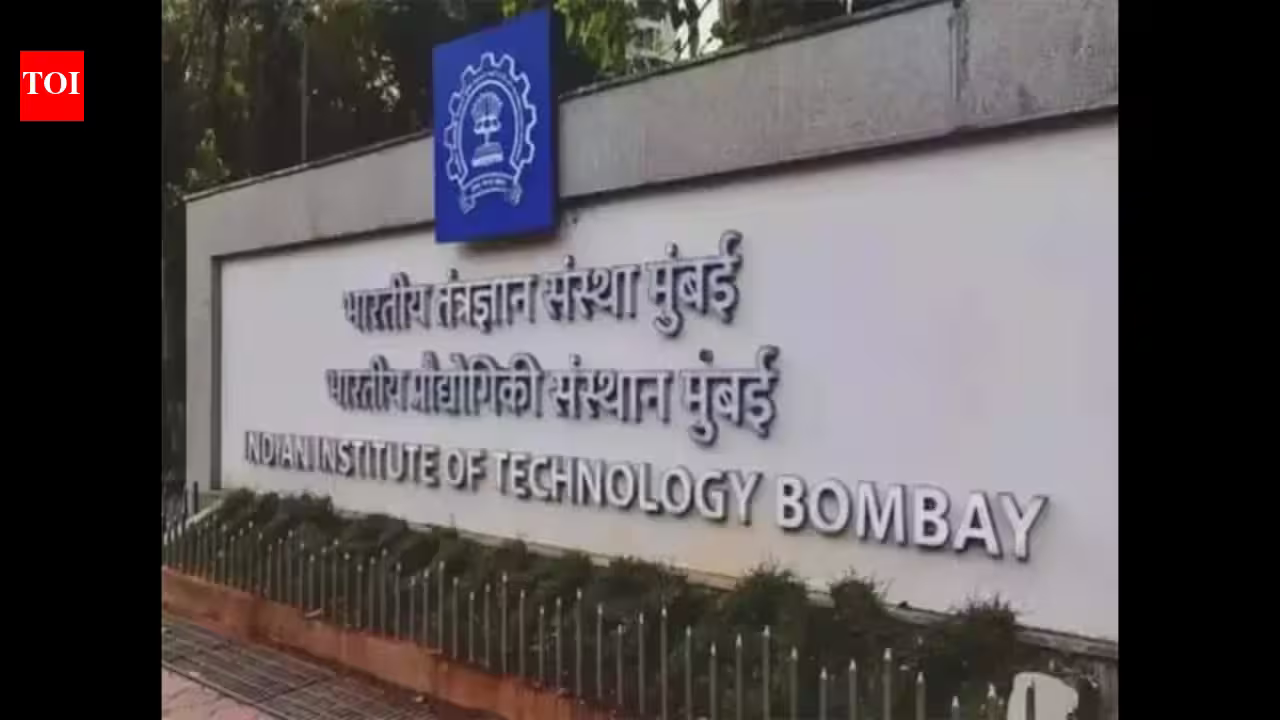
Balancing Urgency and Excellence: The Debate Over IIT Bombay’s New PhD Cap
A doctoral degree has long been considered the ultimate test of intellectual endurance—a journey of discovery that, for some, has historically stretched over a decade. However, the landscape of Indian academia is shifting. Recently, the Indian Institute of Technology (IIT) Bombay announced a significant policy change: all new doctoral registrations will now be subject to a strict eight-year completion cap.
This decision, prompted by an internal review into the root causes of prolonged doctoral projects, marks a pivotal moment in the discourse surrounding India’s higher education system. It forces a difficult question: can institutions impose a hard deadline on the unpredictable nature of research, or does a rigid clock threaten the very quality of scholarship it seeks to protect?
The Catalyst: Addressing the Backlog
The move to implement an eight-year ceiling follows an uncomfortable realization at the institute. The internal review identified several contributors to extended timelines, including faculty members overburdened with additional projects, students transitioning into external employment, and the significant disruptions caused by the COVID-19 pandemic.
Most concerning, however, was the discovery of doctoral programs languishing for over a decade. Such delays create significant “administrative turbulence,” tying up laboratory resources, institutional records, and faculty capacity while leaving students in a state of professional limbo. In this context, the new cap serves as a mechanism to enforce accountability within a system where the responsibility for delay has often been diffused.
The Numbers Game
The timing of this announcement aligns with a historic milestone. During its 64th convocation, IIT Bombay awarded 620 PhD degrees, marking the first time any Indian Institute of Technology has surpassed the 600-mark in a single year. While the surge in graduates highlights a thriving ecosystem—with significant representation from engineering and humanities departments—it also masks the reality of the backlog the institute is working to clear.
As experts note, the record-breaking number of degrees does not necessarily equate to improved efficiency in current research; rather, it indicates a successful effort to clear a massive backlog of long-pending cases. The figure is both a achievement and a reminder of the systemic bottlenecks that preceded it.
The Case for the Cap
Proponents of the eight-year limit argue that a PhD should not, and cannot, be an indefinite project. Because doctoral research is a resource-intensive endeavor—drawing on public funding, specialized laboratories, and intensive mentorship—a lack of clear deadlines can foster “perverse incentives.” Without a finish line, there is little pressure on either the candidate or the supervisor to prioritize progress.
An eight-year window encourages better project design, tighter monitoring by supervisors, and a necessary sense of urgency for candidates to bring their research to a definitive conclusion.
The Risk of the “Guillotine” Approach
Critics, however, warn that research is not an assembly-line process. Unlike traditional coursework, experimental science and humanities research are inherently unpredictable. Experiments fail, data can be inconclusive, and methodologies often require evolution mid-stream.
A rigid ceiling risks creating a “guillotine” effect, where candidates might be forced to rush their work—or compromise on the quality of their findings—simply to satisfy an administrative clock. If an institution prioritizes the speed of completion over the originality of the research, it risks undermining its own academic reputation.
Furthermore, the reform places the spotlight on doctoral research supervision. If institutional or supervisory inefficiency is the primary cause of delay, a hard deadline essentially punishes the student for systemic failures. For the policy to be truly effective, it must be accompanied by mandatory, periodic progress reviews and formal accountability for supervisors.
A Model for the Future?
The path forward for IIT Bombay lies in finding a middle ground: preventing indefinite registrations while avoiding rushed research. The goal should not be to implement a blunt, punitive deadline, but to build a supportive, structured environment where research is completed within a reasonable, well-managed timeframe.
If IIT Bombay succeeds in pairing its eight-year cap with robust early-warning systems, transparent progress reviews, and genuine support for students facing legitimate setbacks, the initiative could serve as a vital blueprint for doctoral programs nationwide. If not, it risks solving an administrative headache only to replace it with a new concern: one where the ticking clock becomes more important than the quality of the knowledge being produced.