






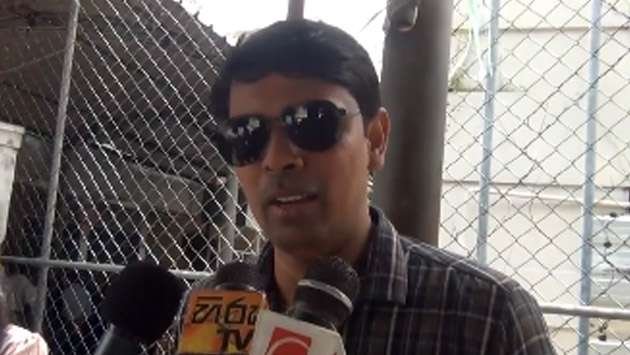
COLOMBO – In a move that has sparked intense debate across the political spectrum, Dr. Archchuna, a prominent figure currently under the public spotlight, has moved to clarify his political branding by distancing himself from the Liberation Tigers of Tamil Eelam (LTTE).
Addressing growing speculation regarding his use of the term “Tiger,” the outspoken public figure declared, “I am a Tiger, but I am not an LTTE Tiger.” The statement was made in a direct response to critics who have attempted to link his political rhetoric to the defunct militant organization that dominated the northern region of Sri Lanka for decades.
The clarification comes at a time of heightened sensitivity in the country, where any reference to symbols or terminology historically associated with the conflict era is scrutinized by state authorities and the public alike. For many, the word “Tiger” is synonymous with the separatist movement led by the LTTE, which was militarily defeated in 2009. By reclaiming the descriptor for his own movement, Dr. Archchuna is attempting to redefine the terminology, stripping it of its militant associations and reframing it as a symbol of personal tenacity and regional pride.
“This is an attempt to reclaim an identity,” said one political analyst familiar with Northern provincial politics. “However, in the context of post-war Sri Lanka, words carry heavy baggage. By asserting he is a ‘Tiger,’ he is intentionally inviting controversy. His disclaimer regarding the LTTE is a strategic effort to avoid legal repercussions and to signal that his platform is one of democratic assertion rather than armed struggle.”
The declaration has drawn sharp reactions. Supporters of Dr. Archchuna argue that the term is being used metaphorically to represent strength, resilience, and the voice of the people in the Northern Province. Conversely, political opponents and nationalist groups have seized upon the remarks, demanding a clear definition of what his “Tiger” identity entails. Some have questioned whether the distinction is merely a semantic shield, while others have expressed concern that the normalization of such terminology could polarize communities further.
Authorities have remained tight-lipped regarding the specific comments, though the statement has prompted calls for greater vigilance against the resurgence of separatist iconography. Dr. Archchuna has consistently maintained that his focus remains on addressing the socioeconomic grievances of the people, asserting that his rhetoric is intended to inspire a new generation of leaders who are unafraid to challenge the status quo.
As the situation develops, the controversy highlights the ongoing struggle over narrative and identity in Sri Lanka’s post-conflict landscape, where the ghosts of the past continue to influence the political discourse of the present. Whether Dr. Archchuna’s attempt to decouple the term from its violent history will be accepted by the public remains to be seen.
Disclaimer: This content is auto-generated for informational purposes only.
Source: Read Original News