







Stability Amidst Strategic Uncertainty
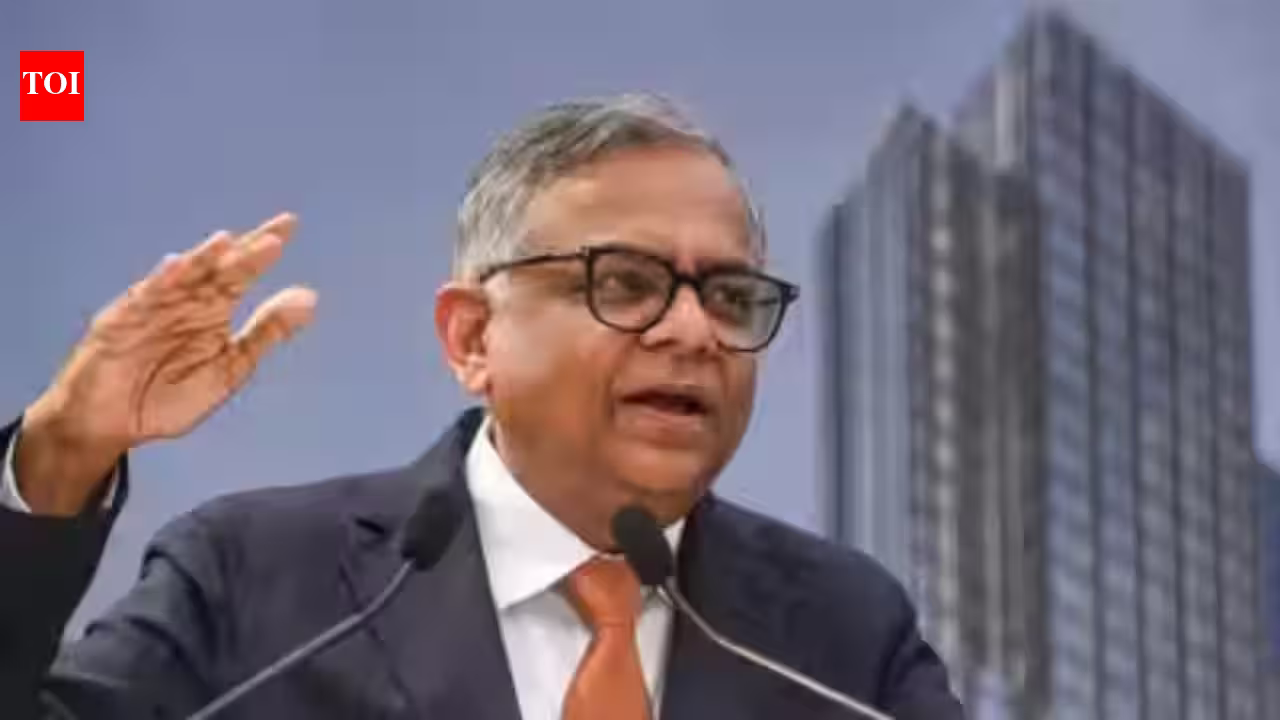
The decision by the Tata Sons board to reappoint N Chandrasekaran for another five-year term marks a significant pivot in one of India’s most influential corporate sagas. This development, which effectively overrides earlier signals that a leadership transition was imminent, underscores the high-stakes environment in which the Tata Group currently operates. By securing another mandate, Chandrasekaran retains the helm of a conglomerate that is not merely an Indian industrial titan but a global participant in sectors ranging from software and steel to consumer goods and aviation.
The path to this reappointment was far from straightforward. For several weeks, the Indian corporate landscape had been abuzz with speculation regarding succession. This was largely fueled by internal disagreements within the Tata Trusts—the philanthropic entities that control approximately 66 percent of Tata Sons—and a noted lack of consensus regarding the future direction of the group’s leadership. The opposition to the reappointment, led by Tata Trusts chairman Noel Tata, highlighted a desire for formalizing a new leadership structure. However, the majority decision at the board level eventually favored continuity, signaling that the current board prioritizes the stability of the leadership team as the group navigates a complex regulatory and economic environment.
The Regulatory Landscape and the Listing Dilemma
Central to the tension surrounding the Tata Group is the regulatory pressure from the Reserve Bank of India (RBI). In September 2022, the central bank classified Tata Sons as an “upper layer” Non-Banking Financial Company (NBFC). This regulatory designation imposes stringent norms, most notably the requirement for the company to list its shares on the public market within a three-year window. This deadline, which lapsed in September 2025, remains a point of contention and strategic challenge for the group.
Tata Sons had actively sought to surrender its NBFC registration to circumvent the public listing mandate. The company aimed to deregister as a core investment company, a move that would have allowed it to retain its current ownership structure without subjecting itself to the scrutiny and transparency requirements of being a publicly listed entity. When the RBI rejected this application on September 11, it essentially forced the issue back onto the boardroom table. The absence of a clear decision on a public offering during the recent board meeting suggests that the conglomerate is still evaluating its legal and strategic recourse. If a listing were to proceed, it would likely be one of the largest initial public offerings (IPOs) in the history of Indian markets, with analysts estimating a valuation in the range of 20 lakh crore rupees, or approximately 230 billion dollars.
Internal Dynamics and the Governance Framework
The recent board vote highlights the complexities of governance within a structure where philanthropic trusts hold a commanding majority stake. The relationship between the Tata Sons board and the Tata Trusts is critical, as the trusts effectively control the destiny of the entire group. The internal friction, characterized by Noel Tata’s preference for a transition period and the subsequent majority vote in favor of Chandrasekaran, reflects a divergence in views on governance and long-term planning.
According to the company’s articles of association, the process for selecting a chairman is highly institutionalized, requiring a five-member panel composed of representatives from the two major trusts—the Sir Dorabji Tata Trust and the Sir Ratan Tata Trust—alongside independent nominations from the Tata Sons board. The move to pause or discontinue the selection process following the vote demonstrates how quickly organizational priorities can shift. While critics might point to this as evidence of internal discord, supporters argue that the reappointment of a leader with an established track record—having been at the helm since 2017—is a prudent measure during a period where the group faces both regulatory hurdles and the need to integrate major recent acquisitions, such as Air India.
Market Implications and Corporate Evolution
The Indian market’s reaction to the leadership continuation is likely to be one of cautious optimism. Chandrasekaran’s tenure has been characterized by a drive toward simplification, digital transformation, and aggressive growth, particularly in the aviation and technology sectors. His ability to navigate the group through the aftermath of internal leadership battles and the challenges posed by the pandemic has earned him significant credibility among institutional investors and industry analysts.
However, the question of a potential IPO looms large. For minority shareholders of the various listed Tata Group companies, a public listing of the holding company would be a transformative event, potentially unlocking immense value and providing a clearer picture of the group’s consolidated assets and liabilities. The pressure from the Shapoorji Pallonji Group, a significant shareholder in Tata Sons, to push for an IPO adds another layer of complexity. The group’s willingness to demand transparency and value realization acts as a constant catalyst for the leadership to justify its current private structure.
The Road Ahead: Continuity vs. Transformation
As Chandrasekaran embarks on this new five-year term, the challenge of satisfying regulatory requirements while maintaining the group’s unique corporate culture remains paramount. The group is currently at a juncture where it must balance its traditional values with the modern demands of public accountability. The next phase of leadership will likely be defined by how the group handles the RBI’s mandate and whether it can sustain its growth trajectory without significantly diluting the influence of the trusts.
Furthermore, the succession conversation, while currently paused, is unlikely to disappear entirely. By the end of this term, the group will have to address the long-term vision for its leadership. The previous circulation of names like TV Narendran, Saurabh Agrawal, and Ashish Chauhan suggests that there is a deep bench of talent within the ecosystem. The current leadership now has a five-year window to not only achieve its financial and operational targets but also to institutionalize a smooth succession process that can survive the internal debates that characterized this current cycle.
Ultimately, the Tata Group remains a proxy for the Indian economy. Its decisions resonate across sectors and influence investor sentiment toward India’s large conglomerates. The decision to retain Chandrasekaran is a bet on the proven, suggesting that in times of regulatory pressure and strategic uncertainty, the board prefers the familiarity of a known hand over the risks of a transition. Whether this strategy will lead to a successful navigation of the listing mandate or result in further friction with regulatory bodies remains the central question for the conglomerate’s future.
Disclaimer: This content is auto-generated for informational purposes only.
Source: Read Original News