






The Intersection of Corporate Governance and Arbitral Enforcement
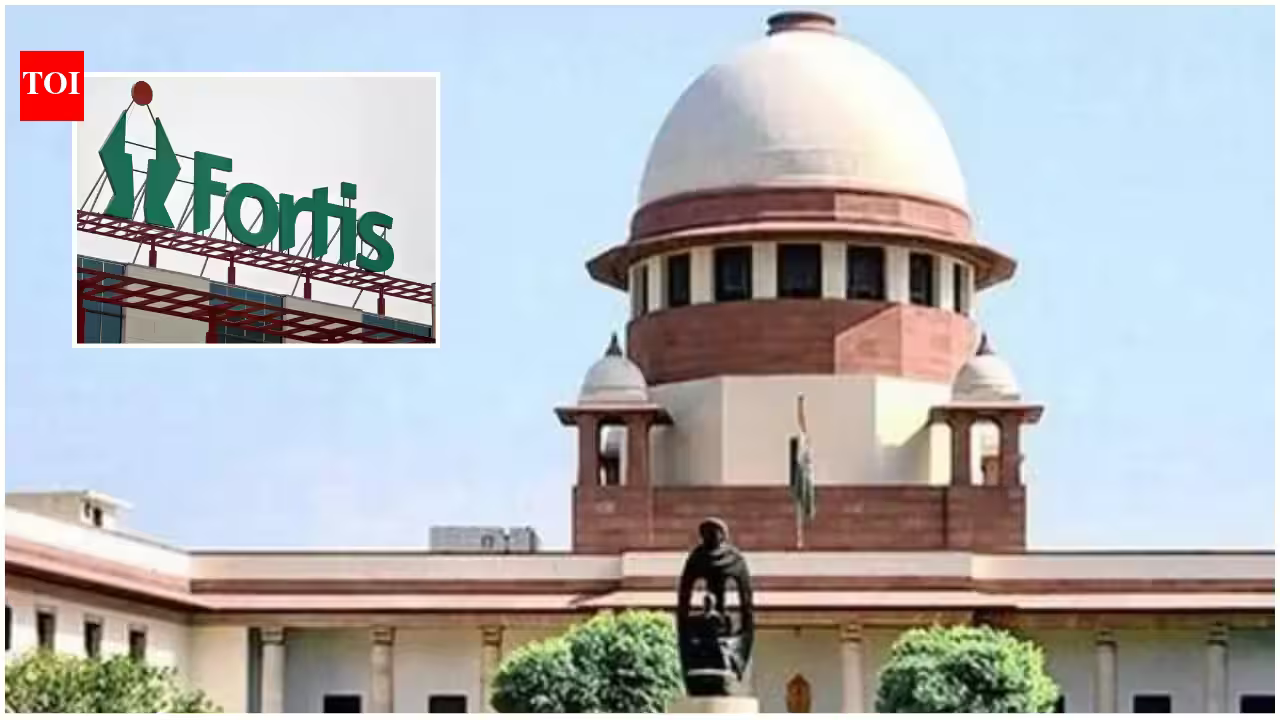
The recent escalation in the legal battle between Fortis Healthcare and the Japanese pharmaceutical giant Daiichi Sankyo represents a critical juncture for corporate jurisprudence in India. At the heart of this dispute lies a foundational question: to what extent can a publicly traded corporation be held liable for the personal liabilities of its former promoters? The filing of a Special Leave Petition (SLP) by Fortis Healthcare in the Supreme Court of India against a Delhi High Court directive to conduct a forensic audit serves as a litmus test for the separation between legal entities and the individuals who once managed them.
This saga originated from the 2016 arbitral award granted to Daiichi Sankyo, following the Singh brothers’ (Malvinder and Shivinder Singh) sale of Ranbaxy Laboratories. The arbitration tribunal found that the Singh brothers had made fraudulent misrepresentations during the transaction. As the enforcement of this award—now reportedly ballooning to over Rs 5,300 crore—remains unfulfilled, Daiichi Sankyo has sought recourse by scrutinizing the financial architecture involving Fortis Healthcare, its former promoters, and subsequent equity infusions by Malaysia-based IHH Healthcare. The legal friction points toward the potential expansion of “piercing the corporate veil,” a doctrine that courts traditionally approach with extreme caution to preserve the limited liability status of shareholders.
The Mechanics of the Forensic Audit Dispute
The Delhi High Court order requiring a forensic audit of dealings between Fortis Healthcare, IHH Healthcare, and the erstwhile RHT Health Trust is the current catalyst for this appeal. For Fortis, this mandate is not merely a bureaucratic process but a potential disruption to its operational stability and reputation. The company argues that it is being unfairly entangled in a dispute where it holds no status as a party to the original arbitration proceedings.
From a business perspective, forensic audits are resource-intensive and often carry significant stigma. They require deep investigation into past financial flows, specifically the movement of capital involving RHT Health Trust and the subsequent acquisition process initiated by IHH. Fortis contends that such investigations, based on what it terms “prejudicial findings,” ignore the fundamental status of the company as a distinct legal person under Indian law. By challenging this order in the Supreme Court, Fortis is seeking to establish a boundary that protects a listed entity from being treated as a proxy for the personal liabilities of its former promoters. The core concern for the management team is that the audit process, if unchecked, could lead to unwarranted scrutiny of arms-length transactions involving third-party investors, thereby chilling future capital inflows.
Shareholder Protection and the Principle of Separate Entity
A compelling component of the Fortis argument is the impact on public shareholders. With approximately 2.5 lakh shareholders, the company posits that the legal burden of the Singh brothers’ past actions is being disproportionately shifted onto those who had no part in the alleged misrepresentations. This highlights the inherent tension in Indian capital markets between holding promoters accountable and safeguarding the interests of minority and public shareholders who rely on the corporate structure for asset protection.
In Indian corporate law, the principle of separate legal entity—established famously in the landmark case of Salomon v. Salomon—serves as the bedrock of modern capitalism. Fortis maintains that holding a current listed entity responsible for the personal debts or undertakings of former board members violates this fundamental legal certainty. If the courts were to consistently bypass this distinction, the risk profile of Indian blue-chip companies would increase, potentially discouraging large-scale equity investments. By emphasizing that it is a separate legal person, Fortis is essentially defending the integrity of its balance sheet and the expectations of its current investors, including IHH Healthcare, which entered the scene as a “white knight” investor to restore the company’s solvency.
Market Sentiment and the Role of Institutional Investors
The ongoing litigation creates a cloud of uncertainty that affects market sentiment. Institutional investors, both domestic and foreign, watch such high-stakes cases to gauge the predictability of the Indian judicial system regarding corporate insolvency and enforcement. The fact that the enforcement of a multi-billion rupee award remains pending years after the original order underscores the protracted nature of legal recovery in India.
For IHH Healthcare, the situation is particularly complex. Having invested significant capital to acquire a controlling stake and stabilize Fortis during its period of distress, the company now finds itself entangled in a forensic audit that probes the very financial structures that facilitated its entry. This creates a risk of long-term strategic paralysis. If the Supreme Court upholds the audit, it may force IHH and Fortis to disclose proprietary financial details and potentially subject past management decisions to scrutiny that they argue is irrelevant to the original arbitration award. Conversely, if the Supreme Court grants relief to Fortis, it would reaffirm the sanctity of the corporate structure, providing reassurance to foreign investors that their investments are shielded from the personal liabilities of previous promoters.
Strategic Implications for Future Mergers and Acquisitions
The Fortis-Daiichi imbroglio serves as a stern reminder to companies engaged in Mergers and Acquisitions (M&A) within the Indian healthcare sector and beyond. It highlights the absolute necessity of rigorous due diligence, particularly when acquiring assets from entities managed by complex promoter groups. Investors are learning that even after a change in control, the legacy liabilities of a corporate entity may not vanish, and in some instances, they may manifest in ways that attract intense judicial review.
This case will likely set a precedent for how future “piercing the veil” claims are handled in the context of forensic audits. If the Supreme Court aligns with the petitioner, it will reinforce the need for clear documentation of funds and strict adherence to corporate governance standards that delineate between individual and corporate assets. However, if the court allows the audit to proceed, it would signal a more assertive judicial approach to tracing funds, effectively expanding the scope of enforcement powers available to creditors. For corporate India, the stakes involve not just the outcome of this specific case but the broader evolution of how public limited companies manage their risks in the face of legacy litigation.
Ultimately, the resolution of this matter will shape the risk appetite of global investors looking at the Indian market. Whether the legal outcome favors the strict enforcement of arbitral awards or the protection of corporate legal identity, the verdict will leave an indelible mark on how Indian companies navigate their historical baggage while attempting to operate in a transparent, competitive environment. As the proceedings move to the Supreme Court, the legal community and market participants alike will remain focused on the interpretation of corporate accountability in a post-globalization landscape.
Disclaimer: This content is auto-generated for informational purposes only.
Source: Read Original News