








The Unfinished Promise: Why India’s Caste System Still Dictates Who Gets Justice
Seventy-nine years after gaining independence, the Indian Constitution’s promise of equality before the law remains an aspirational document rather than a lived reality for millions of Dalits. Despite the legal frameworks established to protect the marginalized, the country continues to grapple with a grim reality: caste still determines who is believed, whose story becomes a headline, and whose cry for justice is quietly buried in a stalled police file.
A Pattern of Violence
The cycle of violence against Dalits is not a relic of the past; it is a persistent feature of the present. In December 2025, Ramnarayan Baghel, a 31-year-old migrant worker from Chhattisgarh, was beaten to death in Kerala by a mob that accused him of theft without evidence, taunting him about his identity as they delivered fatal blows. Just a month later in Tamil Nadu, a Dalit supervisor named Thamaraiselvan was gunned down in front of his family and a police officer—a tragedy that only triggered the enforcement of the Prevention of Atrocities Act after intense public protests.
These are not isolated incidents. Data from the National Crime Records Bureau (NCRB) paints a harrowing picture of systemic abuse. Crimes against Scheduled Castes surged to 57,582 in 2022 and climbed further to 57,789 in 2023. However, human rights advocates argue these figures represent only a fraction of the actual violence, as victims often fear retaliatory economic consequences from the powerful. A report by Citizens for Justice and Peace logged 113 atrocities in the first half of 2025 alone, including cases where law enforcement officials were the perpetrators.
The Inequality of Grief
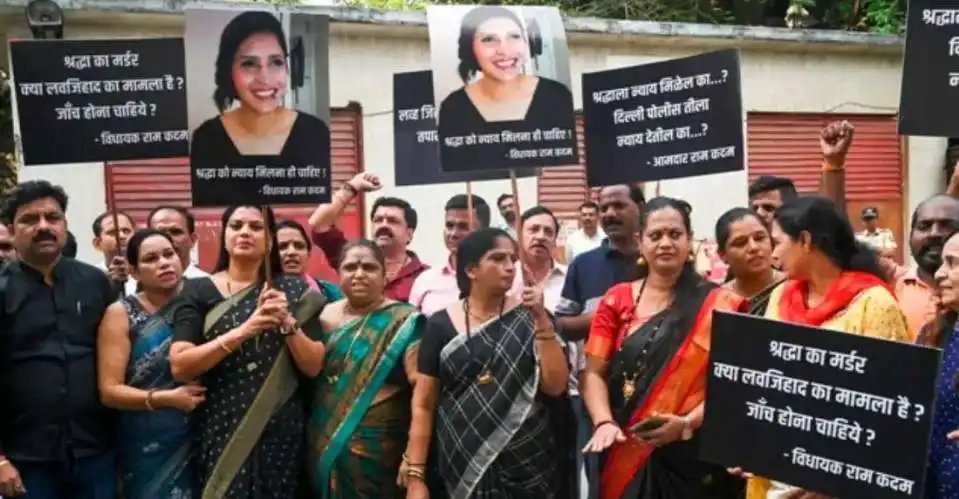
The national discourse on justice remains deeply segregated. When an upper-caste woman is victimized, the machinery of public outrage—media, political statements, and civil society—swings into action. When a Dalit woman faces similar or worse violence, that same machinery often remains dormant.
The stark contrast between the national response to the 2012 Nirbhaya case and the 2020 Hathras gang-rape case illustrates this divide. In Hathras, the victim’s body was cremated by the state in the dead of night without family consent, a far cry from the nationwide movement that transformed India’s legal landscape a decade prior. This disparity highlights a central failure: while the law promises equality, the application of that law is mediated by the entrenched hierarchies of caste.
Institutional Failures and the Church’s Silence
The Prevention of Atrocities Act, designed to expedite justice for victims of caste-based violence, is frequently undermined by police apathy, low conviction rates, and the manipulation of counter-complaints. Furthermore, the persistence of illegal practices like manual scavenging—which has claimed nearly 300 lives in the last four years alone—proves that economic exploitation remains tethered to caste status.
Amid this crisis, the silence of major religious institutions, including the Church, has drawn sharp criticism. Despite the gospel’s call to serve the marginalized, Dalit Christians continue to face discrimination within the pews, from segregated graveyards to exclusion from church leadership. Critics argue that the institution cannot claim the moral high ground against the wider caste system while failing to eradicate the same discriminatory structures within its own sanctuaries.
A Path Toward True Equality
While there are glimmers of progress—such as Karnataka’s recent criminalization of caste-based social boycotts and the approval of a national caste census—these steps are, by themselves, insufficient.
True change requires a structural overhaul. For the Church, this means moving beyond pastoral letters to providing tangible legal aid, safe housing, and equitable hiring practices. For the state, it requires holding the police and the judiciary accountable for the systemic negligence that allows perpetrators to escape justice. Until the country’s institutions move from the rhetoric of equality to the active dismantling of caste-based power, the Constitution’s promise will remain an unfinished, and often broken, vow.