







India and US Forge Ahead with Trade Talks Despite Shifting Political Landscape
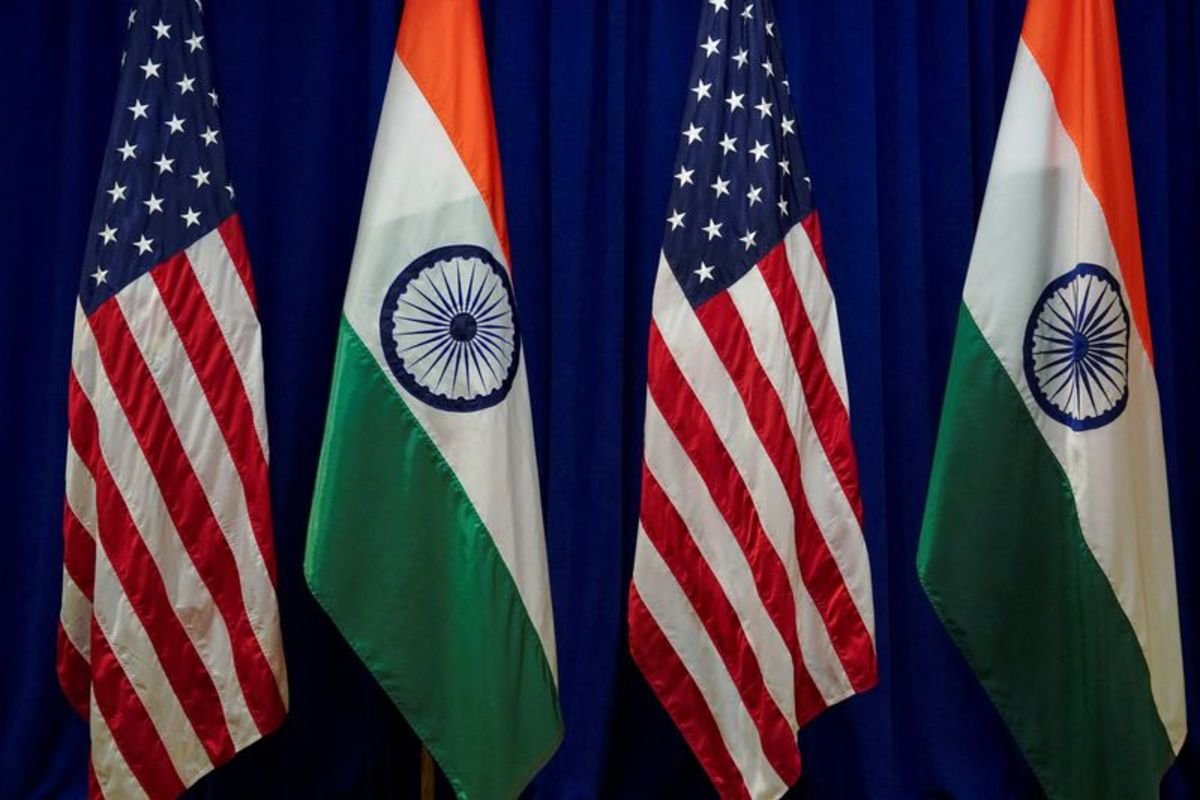
NEW DELHI – In a sign of enduring strategic cooperation, India and the United States remain committed to finalizing the initial phase of a landmark bilateral trade deal. Despite significant political upheaval occurring across the Atlantic, Indian government officials confirmed on Tuesday that negotiations are proceeding steadily, with high-level dialogues continuing to shape the framework of the agreement.
The commitment to the trade pact persists even as the United States navigates the aftermath of its recent midterm elections. Earlier this month, a delegation of American officials visited New Delhi to engage in intensive discussions with their Indian counterparts, signaling that the mechanics of the trade relationship remain a priority for both nations regardless of the prevailing political climate.
Focusing on Customs and Facilitation
According to sources within the Indian government, the most recent round of discussions has been laser-focused on granular policy details. Negotiators have spent considerable time addressing matters related to customs procedures and trade facilitation, areas that have long been identified as critical pain points for businesses operating in both markets.
By streamlining customs documentation and enhancing the transparency of trade processes, both countries hope to reduce the overhead costs for exporters and importers. These technical improvements are viewed as the “low-hanging fruit” necessary to build the momentum required to tackle more complex structural issues in future tranches of the agreement. The emphasis on these facilitation measures highlights a pragmatic approach, aiming for tangible improvements in the ease of doing business that can be implemented before the broader, more contentious aspects of the deal are settled.
Navigating a New Political Reality
The ongoing dialogue takes place against the backdrop of a dramatic shift in American domestic politics. The November 3 midterm elections resulted in substantial losses for President Donald Trump’s Republican Party, with the Democratic Party gaining control over both the House of Representatives and the Senate.
The scale of the shift is historic, with the Democrats achieving their most significant electoral success in the House since 2008. Perhaps even more striking has been the party’s performance in traditionally conservative strongholds. By flipping Senate seats in states such as Texas, South Carolina, and Kansas, the Democratic Party has signaled a notable change in the American political landscape.
For New Delhi, the primary question remains whether this change in the Washington power structure will alter the velocity or the substance of the current trade negotiations. Historically, trade agreements between India and the US have enjoyed bipartisan support, rooted in the shared strategic interest of bolstering economic ties to counterbalance broader regional shifts.
While the incoming legislative changes in the US may introduce new points of oversight or legislative focus, Indian officials appear confident that the economic fundamentals of the trade deal remain insulated from the partisan friction currently defining US politics. As both sides return to the drawing board to finalize the first tranche, the focus remains on leveraging these talks to solidify a long-term economic partnership that can withstand the cyclical nature of democratic elections in both countries.
Disclaimer: This content is auto-generated for informational purposes only.
Source: Read Original News