









India Presses UN Human Rights Body for Accountability in Pakistan-Occupied Kashmir
In a sharp diplomatic maneuver at the United Nations, India has formally challenged the Office of the United Nations High Commissioner for Human Rights (OHCHR) regarding its silence on the deteriorating situation in Pakistan-occupied Jammu and Kashmir (PoJK). During an interactive dialogue of the Third Committee of the UN General Assembly, New Delhi questioned when the global body intends to publish a comprehensive report on the actions taken by Islamabad to address the systemic human rights concerns in the region.
Demanding Transparency and Action
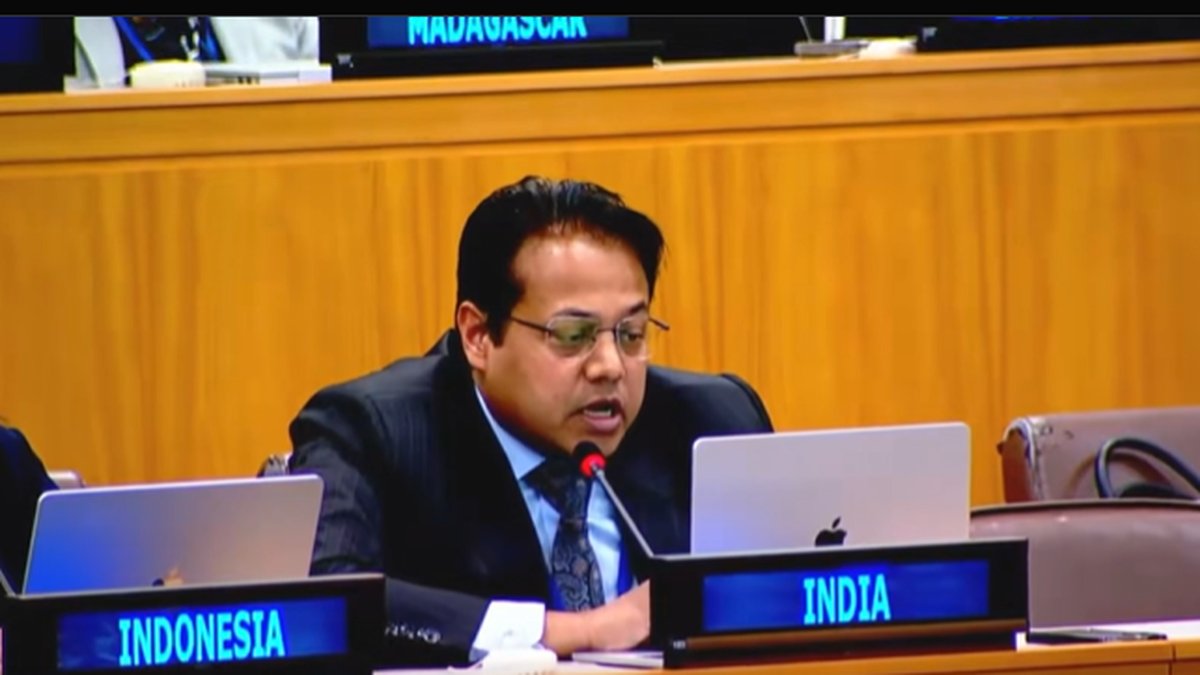
The Indian position was articulated by Anuj Swaroop, First Secretary of India’s Permanent Mission to the UN. Swaroop pointedly referenced previous observations made by the High Commissioner’s office, which had raised alarm bells over the brutal suppression of the local population in Pakistan-held territories.
The UN’s own records have previously highlighted the urgent need for a transparent, thorough, and impartial investigation into the deaths of civilians resulting from heavy-handed actions by Pakistani armed and security forces. Furthermore, the UN office had explicitly called for the protection of detained activists, specifically those associated with the Joint Awami Action Committee. India emphasized that these detainees must be granted immediate access to legal counsel and communication with their families, alongside a guarantee of fair trial standards.
Focus on Repression and Internet Shutdowns
Beyond physical violence and arbitrary detentions, India highlighted the UN’s prior concerns regarding the systematic stifling of information in the region. The OHCHR had noted that authorities in Pakistan-controlled territories have frequently imposed blanket restrictions on internet access to prevent the flow of information and isolate the local population.
The UN has advocated for meaningful political dialogue as the only path to addressing the deep-seated grievances of the residents of PoJK. However, New Delhi’s intervention underscores a growing frustration that these appeals have yet to result in any concrete, public follow-up by the UN human rights machinery.
Addressing Selective Standards
The dialogue took a pointed turn when Swaroop addressed the broader perception of a “selective approach” adopted by the UN rights body. The Indian representative asserted that New Delhi remains committed to engaging with the UN in a spirit of partnership, but maintained that such collaboration must be free from double standards.
This statement comes in the wake of recent diplomatic friction. Just last week, the Indian government rebuked the UN Office for its comments regarding protests in New Delhi, labeling the remarks as an unacceptable encroachment upon India’s internal affairs. The UN had expressed concern over the detention of demonstrators and journalists in the capital, a move that prompted a swift pushback from India.
Unrest Amidst Political Instability
The diplomatic pressure from India follows a period of significant turmoil in PoJK. In July, as elections for the Legislative Assembly were approaching, widespread unrest gripped the region. UN High Commissioner for Human Rights Volker Türk had issued an urgent call for calm, reporting that dozens of individuals—including protesters and security personnel—had been killed since June.
Despite Türk’s prior demands for impartial investigations into these deaths and the restoration of full internet access, the situation remains largely unresolved. By raising these issues on the international stage, India is seeking to ensure that the human rights record of Pakistan in its occupied territories remains under the spotlight of global scrutiny, forcing the UN to confront the realities of the region without bias.
Disclaimer: This content is auto-generated for informational purposes only.
Source: Read Original News