









TRAI Mandates Integration of Spam Data from Caller ID Apps to Curb Telecom Harassment
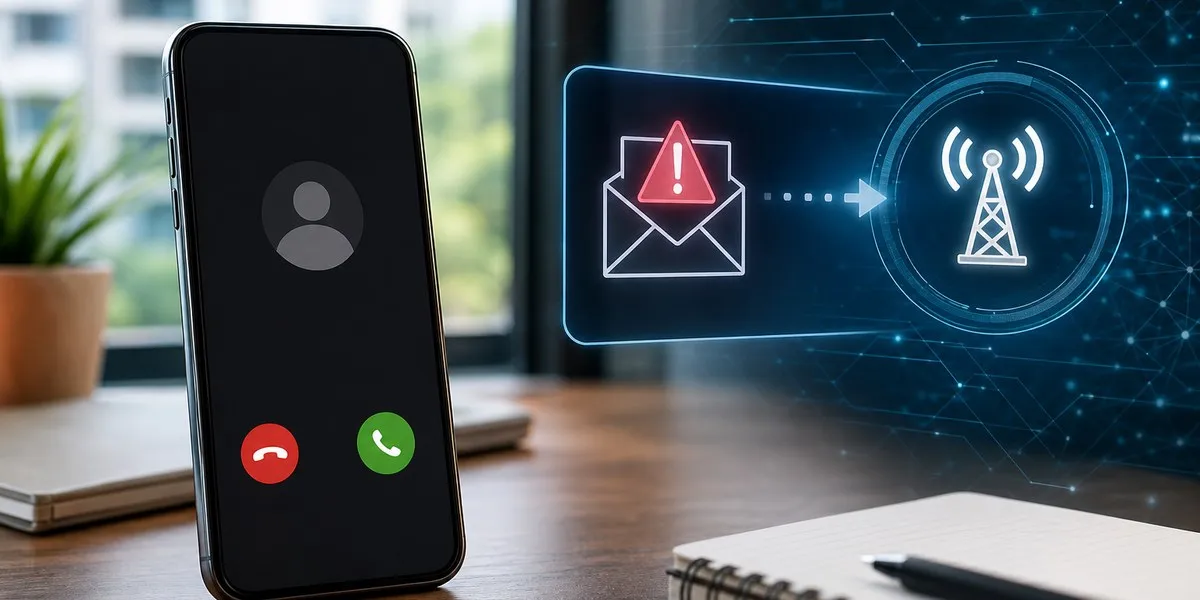
The Telecom Regulatory Authority of India (TRAI) has introduced a significant overhaul to its commercial communications regulations. In a move aimed at curbing the rising menace of unwanted calls, the regulator now mandates that third-party caller identification and call management applications must share user-generated spam complaints directly with telecom operators.
Under the new directive, this critical data will be funneled into a blockchain-based platform, which is already maintained by telecommunications service providers. By centralizing these reports, TRAI intends to create a unified database that will allow operators to enforce stricter anti-spam protocols and take decisive action against entities responsible for unsolicited commercial communications.
Truecaller Voices Concern Over Data Exchange
The mandate has met with swift resistance from Truecaller, the Stockholm-based giant that dominates the Indian market. With over 350 million active users in India—representing the majority of its global user base—the company has expressed strong reservations regarding the policy.
Truecaller, which leverages community-driven reporting and sophisticated automated detection algorithms, claims that the new rule establishes a “one-way exchange” that is fundamentally unfair. The company argues that the policy compels them to share proprietary, commercially sensitive data with telecom operators, who are their primary competitors in the call management ecosystem. Given that its users flagged or blocked approximately 42 billion spam calls in 2025 alone, Truecaller contends that the intelligence it has cultivated over years of operation is now being forcibly diverted to state-backed infrastructure.
Stricter Controls for Automated Calls
In addition to integrating third-party data, TRAI’s latest amendments impose more rigorous standards on Application-to-Person (A2P) communications. These new rules specifically target robocalls, as well as those utilizing artificial intelligence or recorded voices.
Under the updated framework, businesses planning to utilize automated calling systems must provide prior notification to their respective telecom operators, including the disclosure of all phone numbers used for such campaigns. Any A2P calls that fail to comply with these declaration requirements will be officially categorized as spam, leaving them liable for immediate blocking.
To further incentivize compliance and discourage high-volume, indiscriminate messaging, the regulator has authorized telecom operators to levy an A2P call termination fee. This charge is capped at 5 paise (approximately 0.052 U.S. cents) per minute. However, the regulator has included exemptions for specific number series to ensure that essential services remain unaffected.
Navigating Regulatory Challenges
While the intent behind the directive is to protect the consumer, industry experts suggest that the implementation phase may be complex. Analysts have highlighted several areas requiring further clarification, particularly concerning the volume and nature of data that apps are expected to transmit.
Furthermore, questions remain regarding how these apps will secure user consent and ensure compliance with privacy norms while feeding data into the centralized blockchain. There is also an ongoing discussion regarding the practical application of these A2P definitions to legitimate business services, such as contact centers and standard “click-to-call” features. As the telecom landscape braces for these changes, the success of the initiative will likely depend on how effectively TRAI can balance the push for a cleaner calling environment with the operational realities of the technology providers involved.
Disclaimer: This content is auto-generated for informational purposes only.
Source: Read Original News