






New US Tariff Threat on Russian Oil Imports Puts India in a Tight Spot
New Delhi finds itself in an increasingly precarious geopolitical and economic position following a robust reaction from the Indian government regarding a new US congressional bill. The proposed legislation, which could authorize Washington to impose tariffs as high as 100 percent on nations that continue to import significant volumes of Russian crude, has sent shockwaves through the corridors of power in South Block.
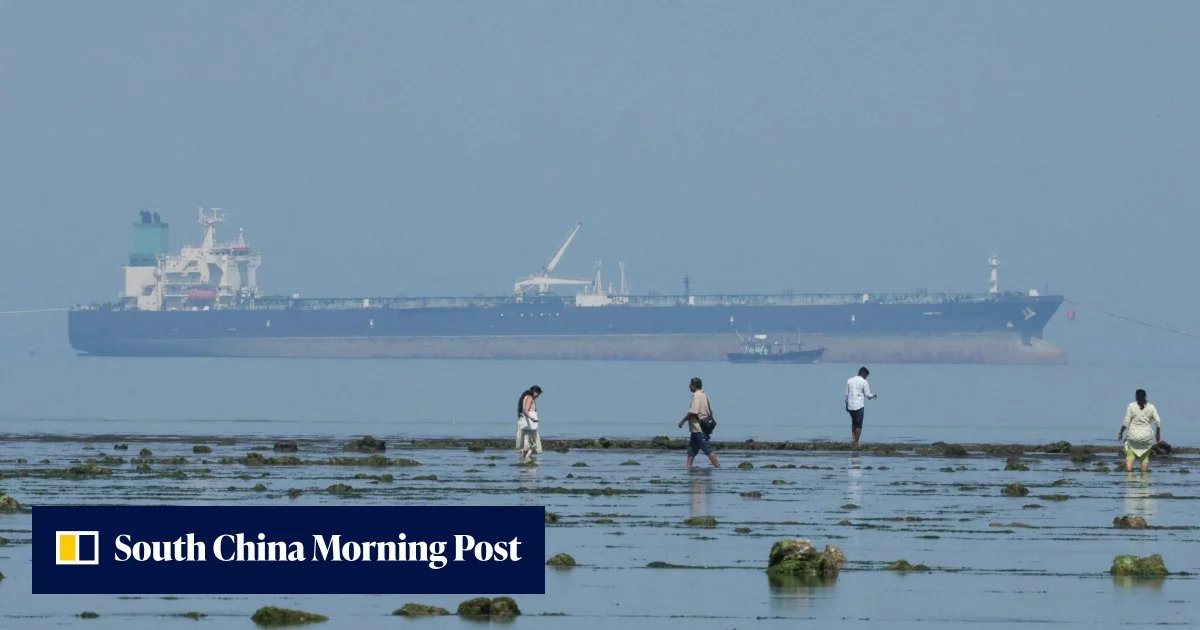
As the world’s third-largest importer of oil, India has utilized discounted Russian energy supplies to keep its domestic inflation in check and satisfy growing industrial demand. However, this new legislative threat from the United States casts a long shadow over the strategic autonomy New Delhi has exercised since the outbreak of the Ukraine conflict.
The Economic Dilemma: Inflation vs. Export Stability
India’s economy is currently facing a delicate balancing act. On one hand, the government is wary of the domestic fallout should it choose to pivot away from affordable Russian barrels. With key regional elections looming on the horizon, any surge in fuel prices could trigger widespread public dissatisfaction and exacerbate the cost-of-living crisis. Should New Delhi bow to US pressure and seek alternative, more expensive oil sources, the resulting hike in pump prices would place immense stress on the national exchequer and household budgets alike.
Conversely, ignoring the potential US tariffs is not without its own severe risks. The United States remains India’s largest export market, and the prospect of a 100 percent tariff on goods from nations deemed to be aiding Moscow’s energy revenues could cripple critical sectors of the Indian economy. Exporters in textiles, pharmaceuticals, and software services are watching the situation with mounting anxiety, fearing that their access to American consumers could be collateral damage in a broader trade war.
Diplomatic Tensions Mount
The intensity of India’s response to the congressional move signals that New Delhi is unwilling to accept external dictates on its sovereign energy security. Government officials have framed the purchase of Russian crude as a matter of pragmatic necessity rather than political alignment, emphasizing the need to provide affordable energy to a developing population.
However, the US legislative maneuver suggests that Washington is losing patience with the “neutrality” maintained by major buyers of Russian energy. The bill, which mirrors similar aggressive trade stances taken against other global powers, reflects a growing bipartisan consensus in Washington to use trade policy as a blunt instrument of foreign policy.
As the situation unfolds, Indian policymakers must determine whether the immediate benefits of cheap oil outweigh the long-term threat to trade relations with the West. The coming months will be a test of India’s diplomatic agility, as it seeks to maintain its vital energy partnerships without alienating the US market—a task made exponentially harder by the looming threat of punitive tariffs that could reshape India’s trade trajectory for years to come.
Disclaimer: This content is auto-generated for informational purposes only.
Source: Read Original News