







Strategic Implications of the India-New Zealand Trade Agreement
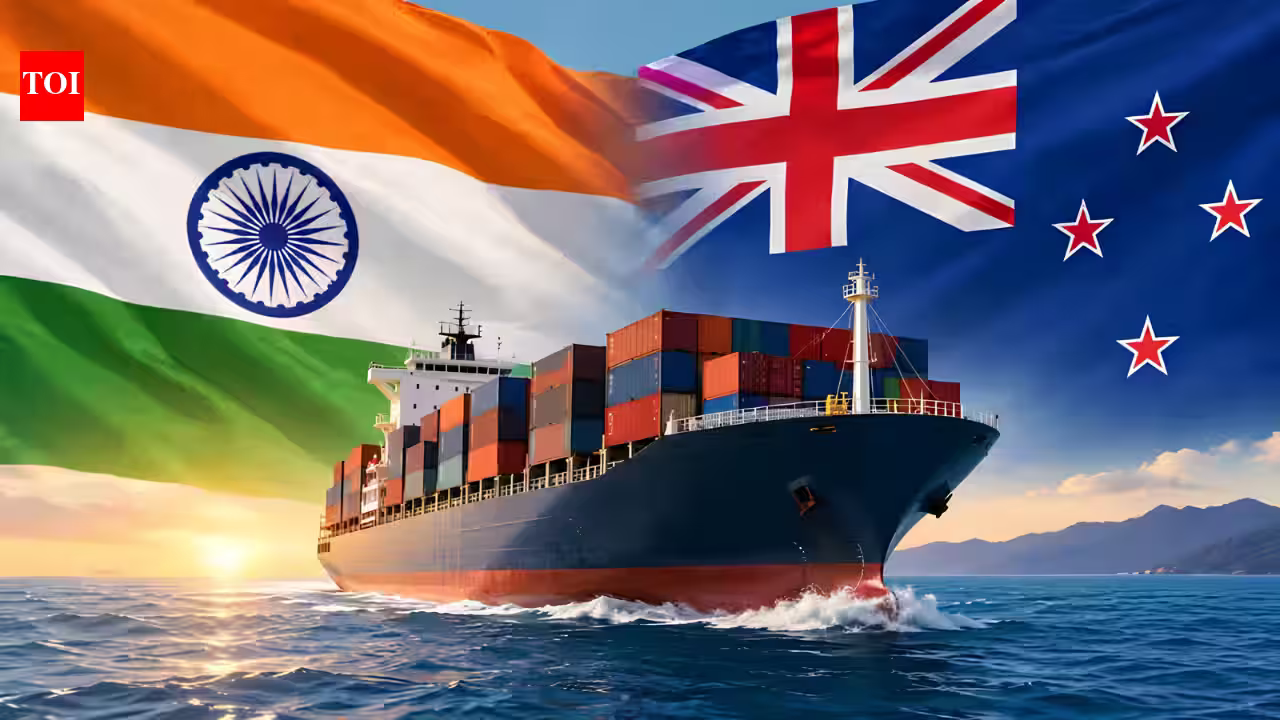
The operationalization of the Free Trade Agreement (FTA) between India and New Zealand, effective October 20, marks a definitive shift in the bilateral economic landscape. By securing 100 percent duty-free access for Indian goods entering the New Zealand market, New Delhi has cleared a significant hurdle for its exporters. This development is not merely an incremental change in tariff structures; it represents a foundational pillar for achieving the ambitious goal of doubling bilateral trade to NZD 7 billion by 2030.
For the Indian manufacturing sector, the removal of tariffs—some reaching up to 10 percent—provides a much-needed competitive advantage. In highly price-sensitive segments such as textiles, apparel, leather, and footwear, this reduction allows Indian producers to enhance their price competitiveness against international rivals who may have previously held preferential access. Beyond these labor-intensive industries, the agreement opens doors for engineering goods, pharmaceuticals, chemicals, and machinery, sectors where India has been steadily building its global reputation for quality and scalability.
Market Access and Reciprocal Tariff Reductions
The structural mechanics of the agreement reflect a balanced approach to trade liberalization. India has granted New Zealand market access across 70 percent of tariff lines, while consciously maintaining exclusions for the remaining 30 percent to protect sensitive domestic sectors. This nuanced approach demonstrates a pragmatic strategy that prioritizes economic expansion while insulating vulnerable industries from immediate, unmitigated competition.
For New Zealand’s exports, the benefits are also substantial. Immediate duty elimination on 30 percent of covered tariff lines will lower costs for importers in India, while the remaining lines will undergo a gradual phase-in period of up to 10 years. This phased reduction provides a predictable timeframe for both nations to adjust their industrial output and supply chain logistics. By utilizing a mix of tariff cuts and tariff-rate quotas, the agreement allows for a controlled integration of goods, ensuring that the surge in trade volume is sustainable rather than disruptive.
Economic Context and Growth Trajectory
The historical context of the India-New Zealand trade relationship reveals a trajectory of consistent, if modest, growth that is now poised for acceleration. Merchandise trade between the two nations witnessed a robust climb from approximately US$855 million in the 2015-16 fiscal year to over US$1.298 billion by 2024-25. Most notably, India’s exports to New Zealand surged by 130 percent over the past decade, far outstripping the 7.21 percent rise in imports during the same period. This indicates that Indian exporters have successfully identified and penetrated the specific demands of the New Zealander consumer.
The services sector serves as a critical secondary engine for this partnership. India’s service exports, particularly in IT, business process management, and travel, grew by 13 percent in 2024. As India continues to digitize its economy and expand its global service footprint, the alignment with a developed economy like New Zealand—which relies heavily on sophisticated service imports—creates a synergistic environment. The integration of goods trade with this growing services dynamic is essential to meeting the NZD 7 billion target.
Synergy in Investment and Industrial Cooperation
Beyond the movement of physical goods, the broader roadmap for the bilateral partnership includes a substantial commitment of USD 20 billion in investments from New Zealand into India over the next 15 years. This capital infusion is expected to target infrastructure, technology, and sustainability initiatives, creating a self-reinforcing cycle of trade. When an economy invests in the manufacturing and service infrastructure of its trading partner, it inevitably facilitates a more efficient supply chain and creates a deeper integration of economic interests.
This investment commitment aligns with India’s focus on the “Make in India” initiative, which seeks to position the country as a global hub for manufacturing excellence. By leveraging New Zealand’s capital and expertise in specific niche areas—such as sustainable agriculture, renewable energy, and high-tech forestry—Indian firms can upgrade their production standards. This, in turn, makes Indian exports more appealing not just to New Zealand, but to the broader global market, effectively using this FTA as a benchmark for quality and regulatory compliance.
Challenges and Future Outlook
While the trade outlook is highly promising, the path to 2030 requires vigilance regarding non-tariff barriers and standard harmonization. The removal of customs duties is only the first step in trade facilitation; the operationalization of the agreement will hinge on how efficiently both nations manage customs procedures, sanitary and phytosanitary (SPS) measures, and technical standards.
For Indian businesses, the focus must now shift toward scaling production capabilities to meet the anticipated demand in the Oceania region. Companies that have historically focused on domestic consumption or Western markets must now pivot to understand the regulatory and consumer preferences of New Zealand. This includes navigating packaging standards, sustainability certifications, and the specific logistics of shipping to a market that prioritizes environmental stewardship and high-quality imports.
Furthermore, both governments must remain committed to the periodic review processes embedded within the agreement. The flexibility to adjust tariff-rate quotas and monitor the impact on domestic industries will be vital to keeping the political and social consensus in favor of this trade expansion. As India continues to diversify its trade partners to mitigate global supply chain risks, the deepening of ties with New Zealand provides a stable, transparent, and high-potential avenue for sustainable economic growth. By synchronizing trade policies with long-term investment goals, both nations are well-positioned to transform this FTA from a bureaucratic document into a cornerstone of their respective international trade portfolios.
Disclaimer: This content is auto-generated for informational purposes only.
Source: Read Original News