








India Extends $1.62 Billion Aid Package to Support Nepal’s Flood Recovery
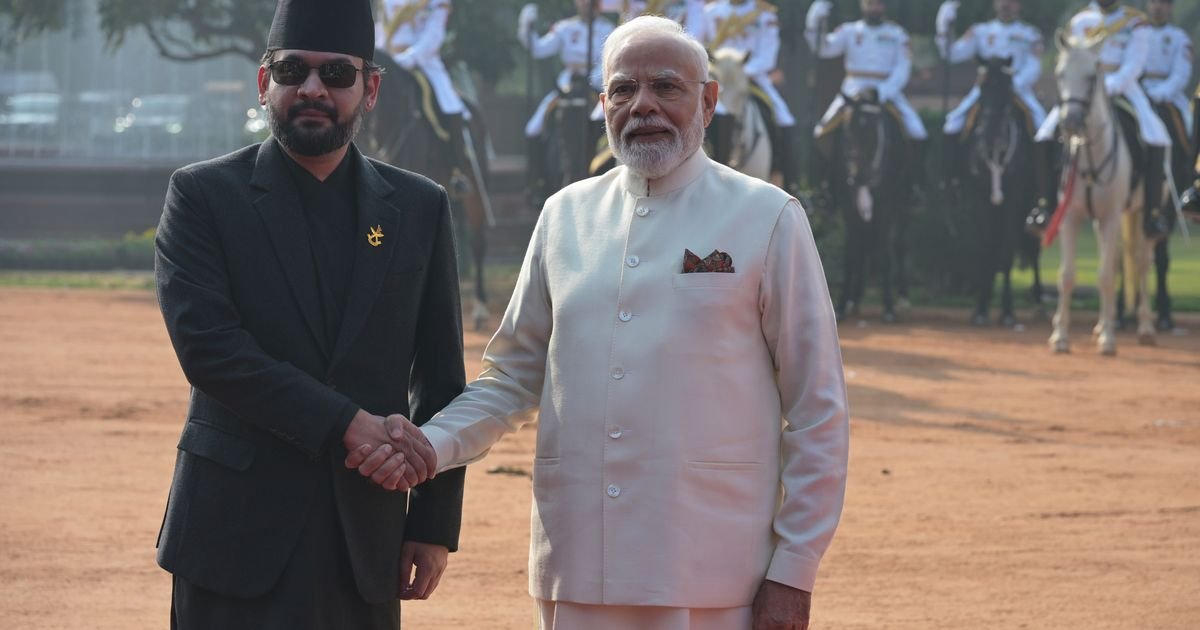
NEW DELHI — In a significant diplomatic gesture aimed at strengthening regional ties, India has pledged a $1.62 billion economic assistance package to Nepal to aid the Himalayan nation’s recovery from catastrophic flooding. The announcement came on Monday following high-level discussions between Indian Prime Minister Narendra Modi and his Nepalese counterpart, Balendra Shah, who is currently on his inaugural official visit to New Delhi.
A Massive Undertaking for Recovery
The devastating floods that struck Nepal on August 26 left a trail of destruction across the country, decimating essential infrastructure including bridges, power plants, and arterial roadways. Beyond the physical damage to property and agricultural land, the human toll has been harrowing, with authorities reporting 1,500 fatalities and more than 5,200 individuals still listed as missing.
According to estimates from the Nepalese government, the total economic fallout from the disaster is valued at approximately $4.7 billion. While the United Nations Fund for Responding to Loss and Damage has stepped in with a $20 million contribution, the Indian package represents the most substantial international intervention to date. Prime Minister Modi emphasized that the funds are earmarked for restoring vital infrastructure, rehabilitating displaced communities, and providing a lifeline to those who lost their livelihoods in the deluge.
Deepening Bilateral Cooperation
The meeting between Prime Minister Modi and Prime Minister Shah marks a pivotal moment in the political landscape of Nepal, following a period of domestic volatility. Shah assumed office in March, emerging as a leader in the wake of a youth-led grassroots movement that ousted former Prime Minister K.P. Sharma Oli over allegations of corruption and systemic nepotism.
Beyond the immediate disaster relief, the two leaders took steps to cement long-term economic integration. During their summit, they virtually inaugurated a series of collaborative projects, including a major hydropower plant, a strategic oil storage facility, and a cross-border oil pipeline. Additionally, a new rail service connecting the two nations was launched, further easing connectivity across an open border that historically allows for the visa-free movement of citizens.
A Strategic Regional Balance
The assistance package arrives at a time of nuanced geopolitical maneuvering. For decades, India has maintained a dominant influence in Nepal, though the relationship has recently faced hurdles due to territorial disagreements and concerns regarding diplomatic overreach. Simultaneously, China has aggressively expanded its footprint in Nepal, channeling capital into massive airport, highway, and energy projects.
Despite this emerging competition, the fundamental realities of geography ensure that Nepal remains tethered to India for essential supplies, including fuel. However, the nature of this dependency is evolving into a more reciprocal partnership. Nepal has increasingly become a key energy provider for its southern neighbor, with India currently importing roughly 1,200 megawatts of electricity from Nepali hydropower projects.
This financial commitment from New Delhi underscores a strategic pivot toward “neighborhood first” diplomacy, signaling that India remains committed to acting as the primary partner in Nepal’s stability and development, even as the regional geopolitical landscape grows more complex.
Disclaimer: This content is auto-generated for informational purposes only.
Source: Read Original News