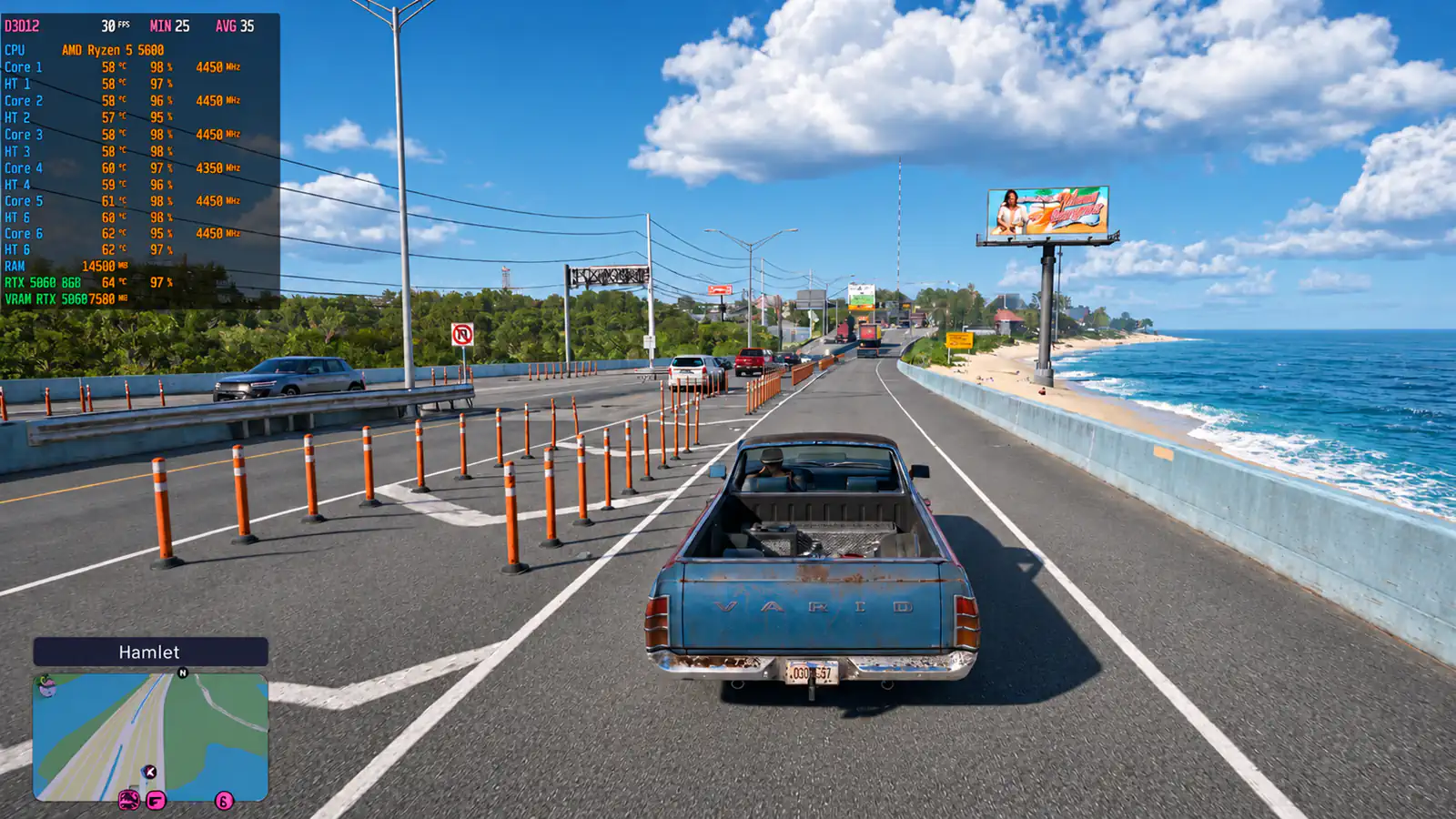










The long-awaited arrival of Grand Theft Auto VI has shattered industry records, with Rockstar Games and Take-Two reporting an unprecedented 3.79 billion dollars in sales within the first twenty-four hours of release. As players flood back into the meticulously rendered streets of Vice City, many are discovering that the game introduces a steeper level of difficulty than its predecessors. A specific narrative sequence near the conclusion of the first chapter, titled “Tourist Trap,” serves as a high-stakes turning point that can leave unprepared players at a significant disadvantage if they are not aware of the consequences.
The Impact of the Tourist Trap Mission
The “Tourist Trap” mission is a required narrative event that transitions the player from the introductory phase into the broader scope of the game. During this sequence, the protagonist, Jason Duval, experiences a catastrophic personal loss when his residence on Key Lento is destroyed by a fire. This event functions as a mechanical reset for several progression systems.
Upon the mission’s initiation, the game engine wipes the player’s current liquid assets. This includes all cash held on the character’s person, currency stored within the residence, and the entire balance of the BuckMe checking account. Beyond financial depletion, the fire results in the forfeiture of the Key Lento property, all associated personal vehicle storage, and any upgrades or vehicles—including those tied to the Ultimate Edition—currently located on the premises. Furthermore, the narrative dictates that the character suffers physical repercussions; the fire renders Jason bedridden for two in-game days, which triggers a noticeable reduction in his fitness attribute. This serves as a reminder that resource management and strategic foresight are essential components of the gameplay loop in this iteration.
Mitigating Asset Loss During Chapter 1
For players eager to build their empire, the temptation to accumulate wealth early is high. However, the design of the first chapter creates a bottleneck where excessive grinding provides diminishing returns. Because the majority of liquid capital and mobile assets are purged during the “Tourist Trap” sequence, investing heavily in property upgrades or building a large cash reserve before this point is inefficient. Instead, players are encouraged to focus on exploration, uncovering environmental details, and engaging with the game’s world-building elements without over-leveraging their in-game finances.
To minimize the impact of the transition, players should prioritize the movement of funds into protected accounts. Before reaching the conclusion of the first chapter, accessing an ATM to interact with the BuckMe checking account is critical. Players can use the “Family Savings” feature to transfer a maximum of 5,000 dollars. This specific account is programmed to persist through the transition into Chapter 2, ensuring that the player begins the next phase of the narrative with a baseline of capital rather than starting from zero.
Strategic Retention of Valuables
Beyond liquid currency, players have methods to preserve the value of their acquisitions by converting transient cash into permanent, non-expendable assets. Purchases made in the form of clothing, cosmetic tattoos, and various weapons remain tied to the player profile even after the destruction of the Key Lento property.
Acquiring these items during the first chapter is an effective strategy for wealth preservation. Weapons, in particular, remain accessible; once purchased, they can be retrieved from weapon lockers located at various gun shops throughout Vice City once the second chapter begins. This method allows players to bypass the financial reset by essentially “banking” their wealth in inventory items that survive the narrative fire. By prioritizing high-value permanent assets over volatile liquid cash or vehicle upgrades that are destined to be lost, gamers can maintain a tactical edge as they enter the more challenging chapters of the game.
The Evolution of Difficulty in the RAGE Engine
The shift toward more punishing progression mechanics highlights the technical evolution of the Rockstar Advanced Game Engine (RAGE). By integrating environmental disasters like the fire in “Tourist Trap” as a core mechanic, the developers force players to adapt their playstyle. In previous entries, wealth accumulation was largely linear and cumulative. In this title, the introduction of a narrative-driven financial reset suggests that Rockstar aims to challenge players to rebuild their status, emphasizing the “rags to riches” theme that has long been a pillar of the franchise.
Understanding these mechanics is essential for those who wish to navigate the opening hours without being caught off guard. By balancing the need for character customization with the necessity of liquidity management, players can approach the “Tourist Trap” mission as a manageable obstacle rather than a progress-halting disaster. As the community continues to analyze the nuances of the game’s economy, these initial lessons in asset protection remain the most critical advice for navigating the opening stages of the latest installment in the series.
Disclaimer: This content is auto-generated for informational purposes only.
Source: Read Original News