




Amnesty International Accuses Indian Government of Using Lethal Force Against Student Protesters
NEW DELHI – A damning new investigation by Amnesty International has verified that Indian government forces deployed lethal weapons, including pellet-firing shotguns, electric shock devices, and high-impact grenades, against young demonstrators during the widespread protests that gripped the national capital last month.
The findings, which challenge official government narratives, have sparked renewed calls for accountability from India’s political opposition, who are demanding answers from Home Minister Amit Shah regarding the state’s aggressive response to the youth-led movement.
A Crackdown on Dissent
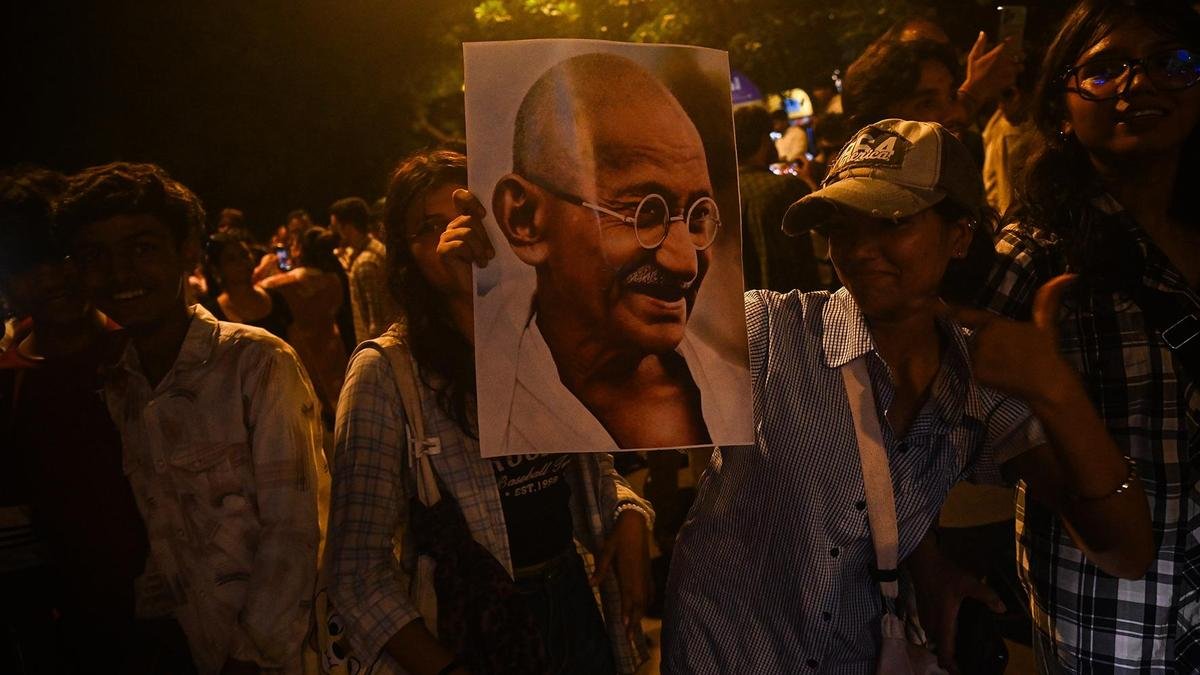
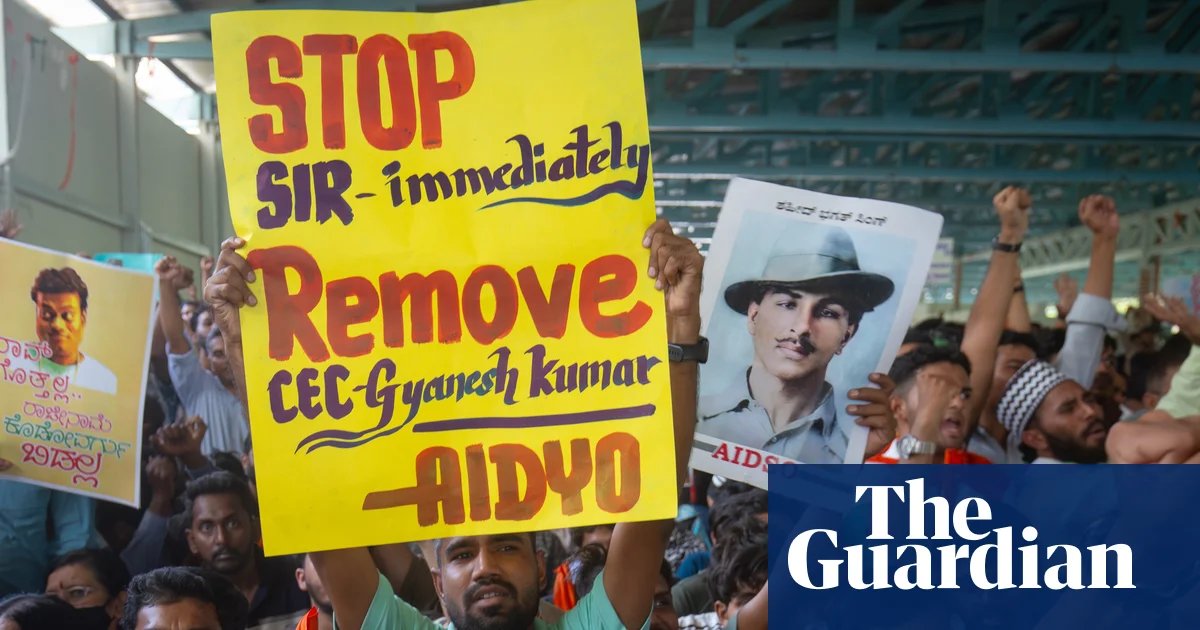
The unrest began on July 20, when thousands of students—mobilized by the “Cockroach Janta Party” (CJP), a satirical youth movement—converged on New Delhi’s Parliament Street. The protesters were demanding the resignation of then-Education Minister Dharmendra Pradhan following a series of examination scandals that compromised national testing integrity.
The police response was swift and heavy-handed. Amnesty’s Evidence Lab, which analyzed video footage, photographic evidence, and witness testimony, confirmed that security personnel utilized tactics explicitly prohibited by internal law enforcement guidelines.
According to the report, authorities enforced a communications blackout and erected barricades before launching a direct assault on demonstrators. The investigation highlights the use of “birdshot”—hunting ammunition designed for lethal use—which the report notes is “inherently inaccurate” and poses a grave risk to bystanders.
Contradicting Official Claims
Despite hospital records corroborating the presence of pellet wounds among at least 100 injured students, the Delhi Police have consistently denied using excessive force. The force officially labeled reports of pellet injuries as “fake news” and “misleading” on social media.
However, Amnesty’s findings directly contradict this stance. Furthermore, an internal inquiry by Indian paramilitary forces reportedly confirmed that personnel fired at least seven rounds of ammunition containing metal pellets during the crackdown.
“This heavy-handed response was state-sanctioned violence masked as crowd control,” said Aakar Patel, chair of the board of Amnesty International India. “The continued impunity after a month is a testament to that.”
The Human Cost
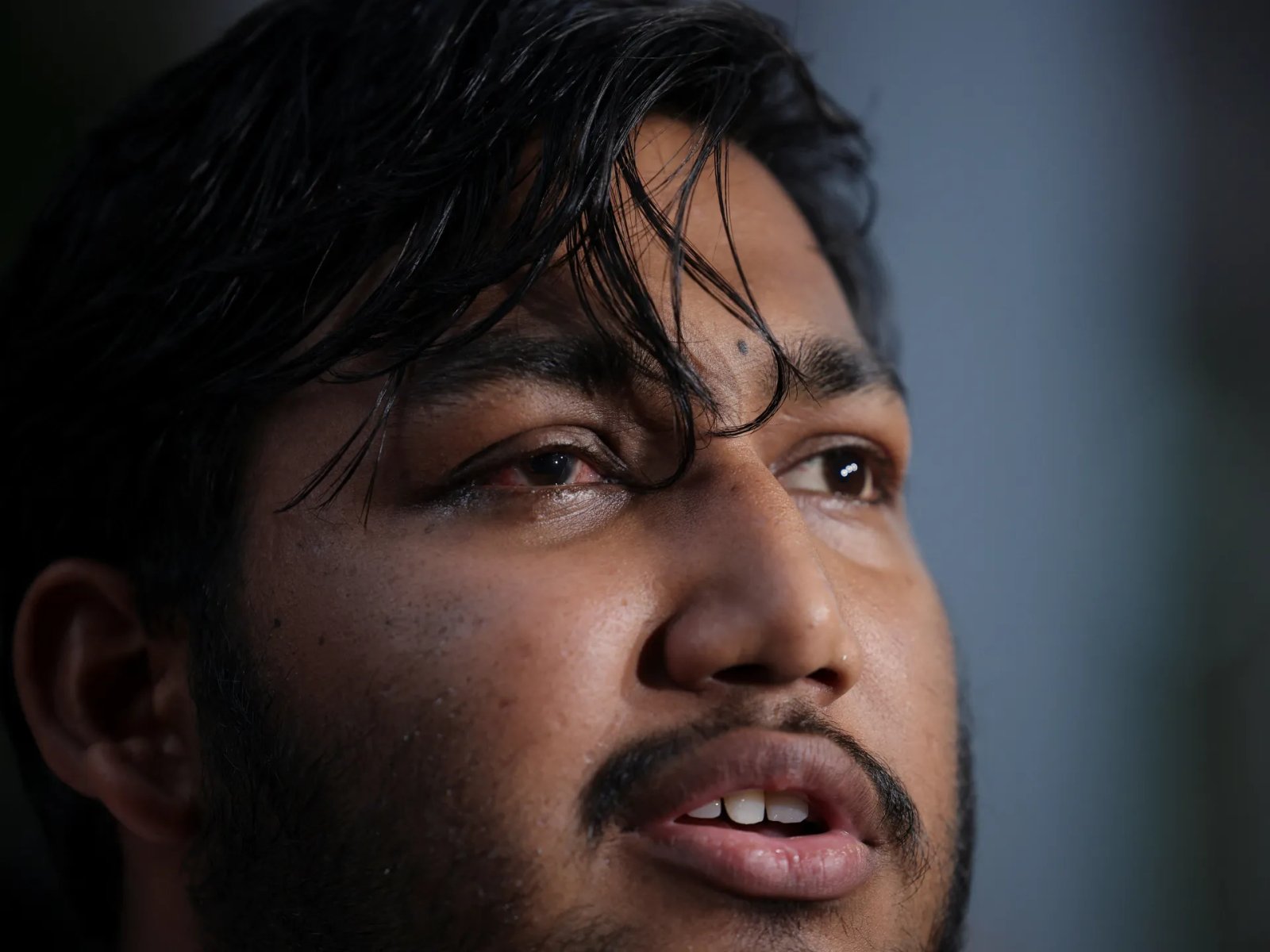
The consequences of the crackdown have been life-altering for some participants. Sahil Lochab, a 19-year-old student, reported that he suffered over 200 pellet injuries during the demonstration, resulting in the loss of vision in one eye.
“Doctors have told me that the possibility of my eyesight coming back is less than 1 percent,” Lochab stated in a formal complaint after police initially refused to register his case. It was only after opposition leader Rahul Gandhi staged a seven-hour sit-in at the Delhi Police headquarters that authorities finally agreed to document the assault.
The Amnesty report further criticizes the police for the use of lathis (batons) and the deployment of tear gas grenades at close range, which the UN Special Rapporteur on Torture has previously labeled as cruel and degrading.
Political Fallout
The evidence has placed significant pressure on Prime Minister Narendra Modi’s administration. Rahul Gandhi has publicly challenged Home Minister Amit Shah, arguing that the government is either directly responsible for ordering the use of lethal weapons or fundamentally incompetent in managing its security forces.
As the Gen Z protests continue to resonate across the country, the findings from Amnesty International serve as a stark reminder of the escalating tension between India’s youth and the state, raising urgent questions about the protection of civil liberties and the limits of police power in a democracy.