Sanchit Khanna / Hindustan Times / Imago / Alamy
‘It is profoundly disturbing that students who should be preparing for their future are instead being forced to take to the streets to demand justice and accountability,’ said Fr Suresh Mathew.
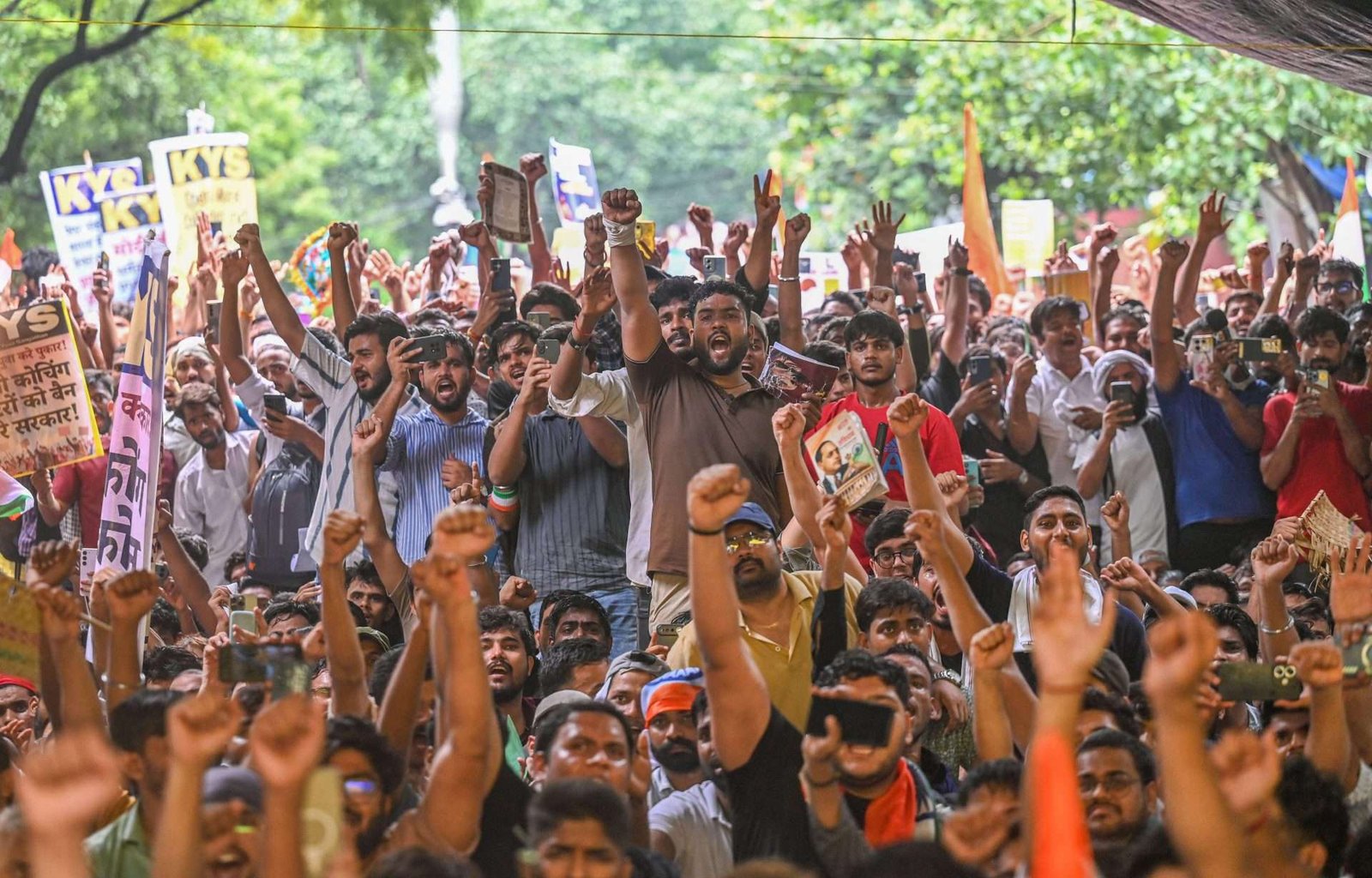
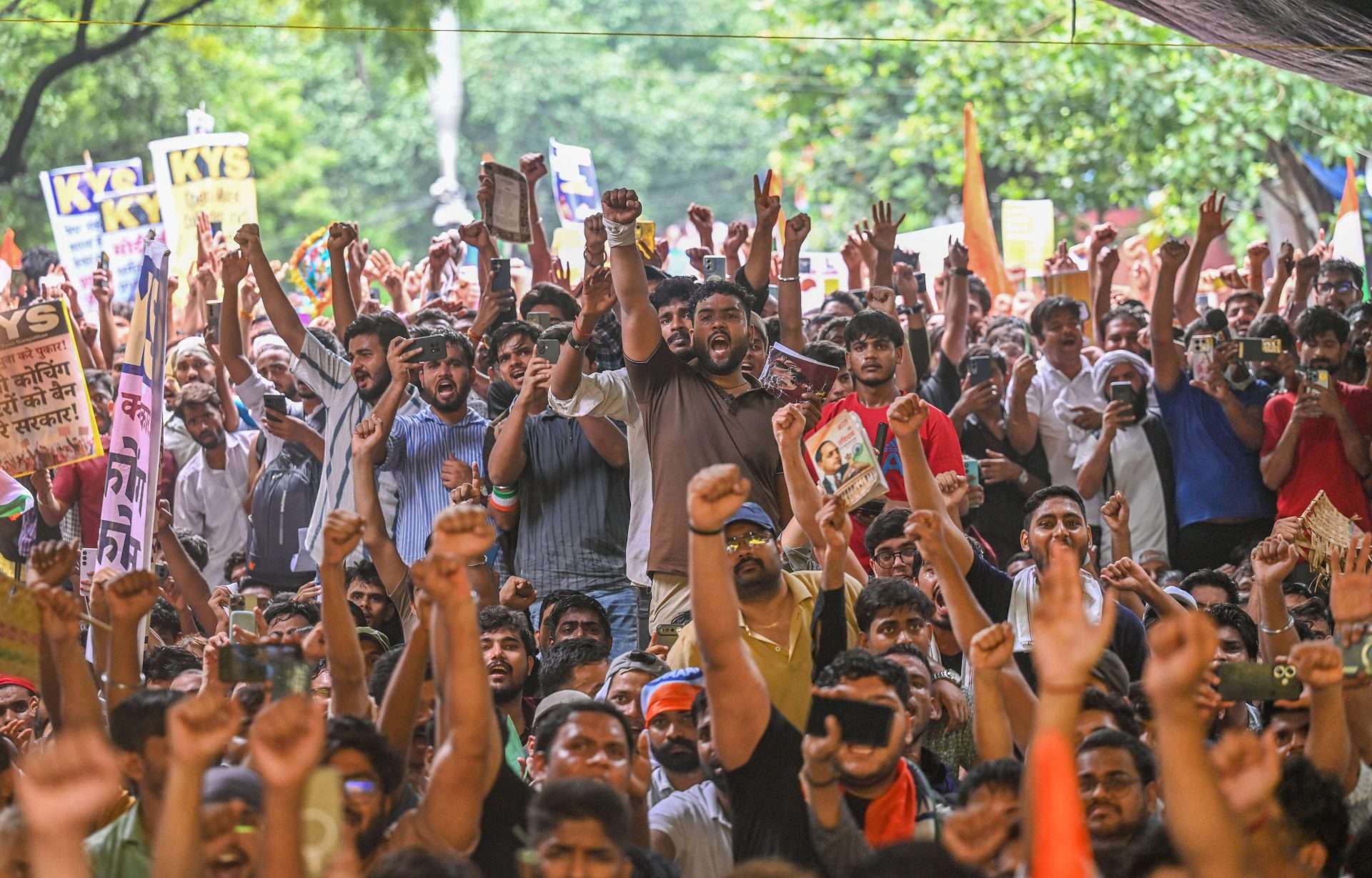
Churches across India backed the hundreds of young demonstrators demanding accountability and transparency in academic governance following an important exam paper leak.
The National Eligibility cum Entrance Test (Undergraduate) or NEET, a nationwide entrance examination for admission to undergraduate medical programmes, conducted on 3 May, was cancelled as the paper was leaked.
More than two million applicants were forced to retake it. An angry Gen Z took to the streets to protest the failings in the education system.
The man who rallied them to protest the government apathy was Abhijeet Dipke, a 30-year-old political communications strategist and a former Boston University student.
Piqued by a remark by the Chief Justice of India who said some unemployed young people turning to media and activism were “cockroaches”, Dipke turned the insult into satire, sending out a meme of an educated, unemployed youth group called the Cockroach Janata Party (CJP).
The CJP quickly gained a huge following with 26 million followers on Instagram. The government blocked their social media accounts, but the courts restored it. The group evolved into a youth movement within two months of emerging as an internet phenomenon.
They demonstrated at Jantar Mantar, an eighteenth-century astronomical observatory in the heart of New Delhi, a portion of which is demarcated as a key protest venue – India’s Speakers’ Corner.
“It is profoundly disturbing that students who should be preparing for their future are instead being forced to take to the streets to demand justice and accountability,” said Fr Suresh Mathew, president of the Indian Catholic Press Association.
The protests gained momentum after engineer, educationist and environmentalist activist Sonam Wangchuk joined them on 28 June and began an indefinite hunger strike in support of their demands. Police forcibly removed Wangchuk to a government hospital on 19 July.
The next day tens of thousands of protestors held a rally to march towards parliament, forming one of India’s largest anti-government protests in recent years.
“Our rally was peaceful but some miscreants planted to disrupt it started pelting stones,” said Reha Patnaik, a postgraduate student who took part in the rally.
The police and para-military force then attacked the protestors with canes, water cannon, tear gas and pellet guns. Many students and police personnel were injured.
Denouncing the violence, the Catholic Bishops’ Conference of India (CBCI) said it was firmly united with all the students who faced this harrowing brutality.
“We share your pain, hear your voices, and echo your righteous cry for a transparent and just education system,” the bishops said.
The CBCI urged the authorities to uphold democratic values and protect peaceful dissent. “This is not merely about education. It is about the future of our democracy itself,” they said.
“We are only asking for reforms to India’s education system, greater accountability over exam paper leaks and the resignation of [federal education minister] Manoj Pradhan,” said Rohit Verma, an engineering student.
Opposition Congress party leader Sonia Gandhi claimed there have been 152 leaks of competitive exam papers in last 12 years under the Bharatiya Janata Party government.
Over the course of the protest, most of India’’s Churches, priests, religious, major opposition political parties, activists and many celebrities turned up to show solidarity. The Churches distributed food, water and other essentials to the protesting students, who were sweating it out in sultry weather braving mosquitoes and seasonal infections.
For over a month of the protests, the government paid no heed. Dismissing the protestors as anarchists and activists, they cut off internet connection and shut down metro stations leading to Jantar Mantar to dissuade people from going to the site.
Worried over Wangchuk’s deteriorating health during his fast and the government’s apathy, people sought intervention from the courts who directed health authorities to check on him.
Warnings from neighbouring regimes in Bangladesh, Nepal and Sri Lanka, where Gen Z protests have shaken governments, led the Indian authorities to agree to a dialogue with the protestors while urging Wangchuk to end his fast.
After a few round of talks, they agreed to all the demands, foremost being Pradhan’s resignation. Other demands included reforms in education system, withdrawal of all police reports against the protestors and compensation to kin of students who died by suicide.
The protestors called off their agitation on 25 July when the minister tendered his resignation.
India: Who will Modi come for next?
Stay updated — add us as a preferred news source on Google: