







Fact Check: Viral Video of ‘Tsunami-like’ Flood Misattributed to Nepal-Tibet Border
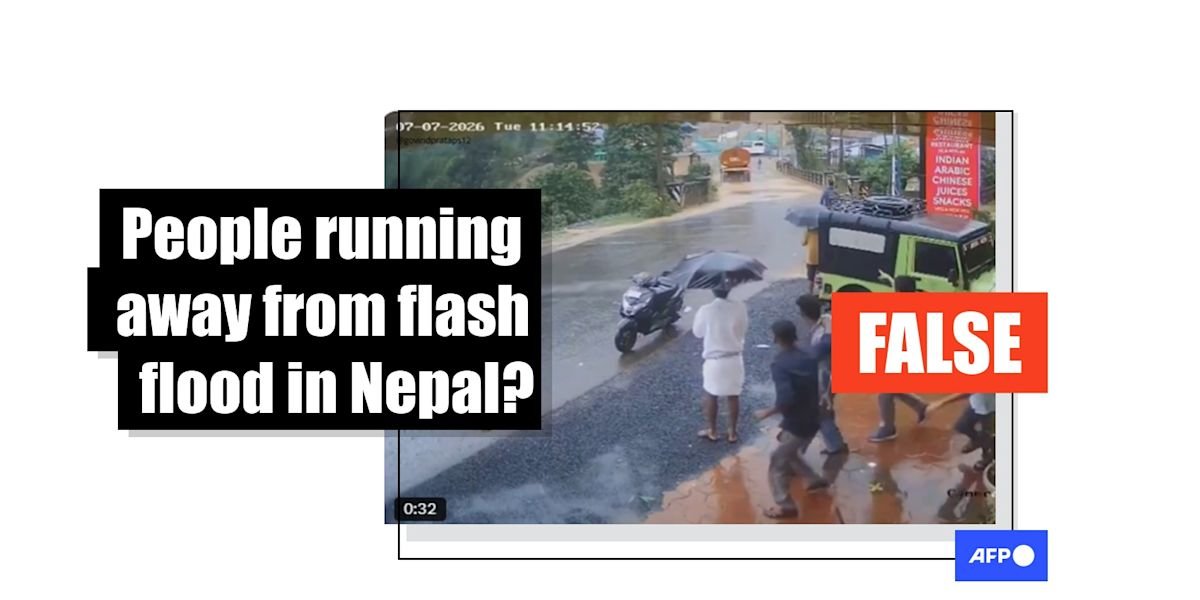
A harrowing video claiming to show the recent, catastrophic flooding in the Nepal-Tibet border region has been revealed as misinformation. The footage, which depicts a massive wall of debris and muddy water obliterating a highway and sweeping away bystanders, has garnered over three million views on social media—but it was actually filmed in India more than a month prior.
The Origin of the False Claim
The viral clip began circulating widely on X (formerly Twitter) on August 27, 2026, accompanied by captions in Chinese and English describing it as a “moment of life and death in Nepal.” These posts emerged shortly after devastating floods in the Nepal-Tibet border area, where a glacial collapse triggered a deadly torrent of icy debris. According to the Red Cross, the disaster has left at least 586 people dead and over 2,400 missing, with 93,000 residents affected.
However, investigations have confirmed that the video has no connection to the Himalayan disaster. Through a reverse image search, experts traced the footage back to July 7, 2026, when it was initially shared on Instagram regarding a separate incident in Wayanad, Kerala, India.
Evidence from the Ground
The discrepancies between the viral posts and the actual event are clear upon closer inspection:
- Verified Timestamp: The CCTV footage clearly displays a timestamp of July 7, 2026, in the top-left corner, predating the Nepal-Tibet tragedy by weeks.
- Geographic Confirmation: Visual analysis of the video matches public imagery of a restaurant near the Wayanad construction site, as verified on Google Maps.
- Direct Testimony: The owner of the restaurant confirmed to reporters that the footage was indeed recorded by their security cameras during the July landslide, which was triggered by intense monsoon rains in southern India.
A Pattern of Misinformation
This is not the first time false imagery has been associated with the Nepal-Tibet flood crisis. As the region reels from the “enormous” trauma of the recent disaster, social media platforms have seen a surge in recycled footage being misattributed to the crisis to garner engagement.
The US Geological Survey confirmed that the actual disaster in the Nepal-Tibet border region was caused by a distinct glacial collapse affecting the Bhote Koshi and Trishuli rivers. Officials are urging the public to verify the authenticity of sensitive disaster footage before sharing, as the proliferation of such misinformation can complicate relief efforts and cause unnecessary alarm.