







Trade Unions Declare ‘Inequality Emergency,’ Plan Massive Parliament March on December 1
The Centre of Indian Trade Unions (CITU) has issued a clarion call for a massive mobilization of workers, announcing that one lakh individuals will march to Parliament on December 1. The demonstration aims to exert pressure on the Centre to address a growing list of grievances, most notably the demands for a universal pension of ₹21,000 and a minimum wage of ₹42,000.
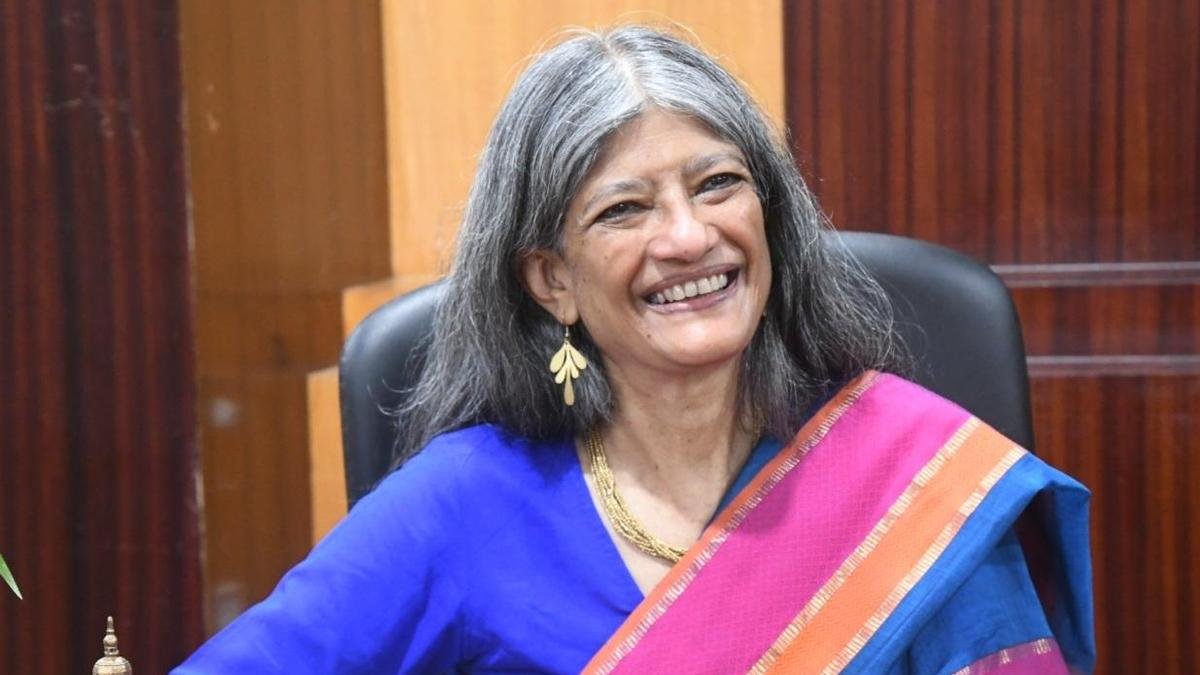
Joining the union leadership at a press conference in New Delhi on Wednesday, noted economist Jayati Ghosh threw her support behind the agitation. She characterized the current economic climate in India as an “inequality emergency,” warning that the nation has reached a critical juncture where the divide between the ultra-wealthy and the working class has surpassed levels seen during the colonial era.
The Case for Wealth Redistribution
Prof. Ghosh emphasized that the primary crisis facing the country today is the pervasive lack of quality employment and the inability of the current economic structure to provide for the basic needs of the populace. She pointed to a marked decline in real wages and stressed the urgent need to restore public wealth.
“We must look at concrete solutions used in other global economies,” Prof. Ghosh stated, highlighting the models adopted in countries like Brazil and Colombia. She argued that implementing a wealth tax and an inheritance tax on the super-rich should be immediate policy priorities for the government to combat the widening wealth gap.
Failure of the ‘Incentive’ Model
CITU President Sudip Dutta echoed these sentiments, noting that the union’s long-standing criticisms of corporate-centric policies have finally been validated by the government’s own observations. Referring to a recent address by Prime Minister Narendra Modi, Mr. Dutta pointed out that the government has finally acknowledged that corporate houses have failed to generate sufficient employment despite benefiting from significant tax concessions.
“This model of providing incentives to the corporate classes under the assumption that they will resolve the crises of the common man has clearly failed,” Mr. Dutta said, asserting that the strategy has only served to widen the chasm between the elite and the labor force.
A Multi-Faceted Charter of Demands
Beyond the calls for higher wages and universal pensions, the union’s demands are comprehensive. CITU General Secretary and former MP Elamaram Kareem outlined a broad agenda that includes:
- The repeal of the four controversial Labour Codes.
- The restoration and strengthening of the MGNREGA scheme, with formal recognition of its workers.
- A mandate for equal pay for equal work and the regularisation of contract employees.
- The filling of massive vacancies within the public sector.
- Stronger protections for environmental assets and a halt to land-grabbing practices.
Intellectual Backing and Media Criticism
The proposed march has drawn significant support from academics and intellectuals across the country. A collective statement issued at the press conference accused the government of prioritizing the interests of an “obscenely wealthy” few over the welfare of the general public. The group further criticized the administration for allegedly using authoritarian tactics, divisive rhetoric, and a compliant media apparatus to stifle dissent and dismantle labor movements.
The organizers also voiced frustration over the mainstream media’s coverage of labor issues, alleging that a segment of the press ignores the escalating distress of the working class. As the December 1 deadline approaches, the protest is expected to serve as a litmus test for the government’s willingness to pivot toward more equitable economic policies.
Disclaimer: This content is auto-generated for informational purposes only.
Source: Read Original News